

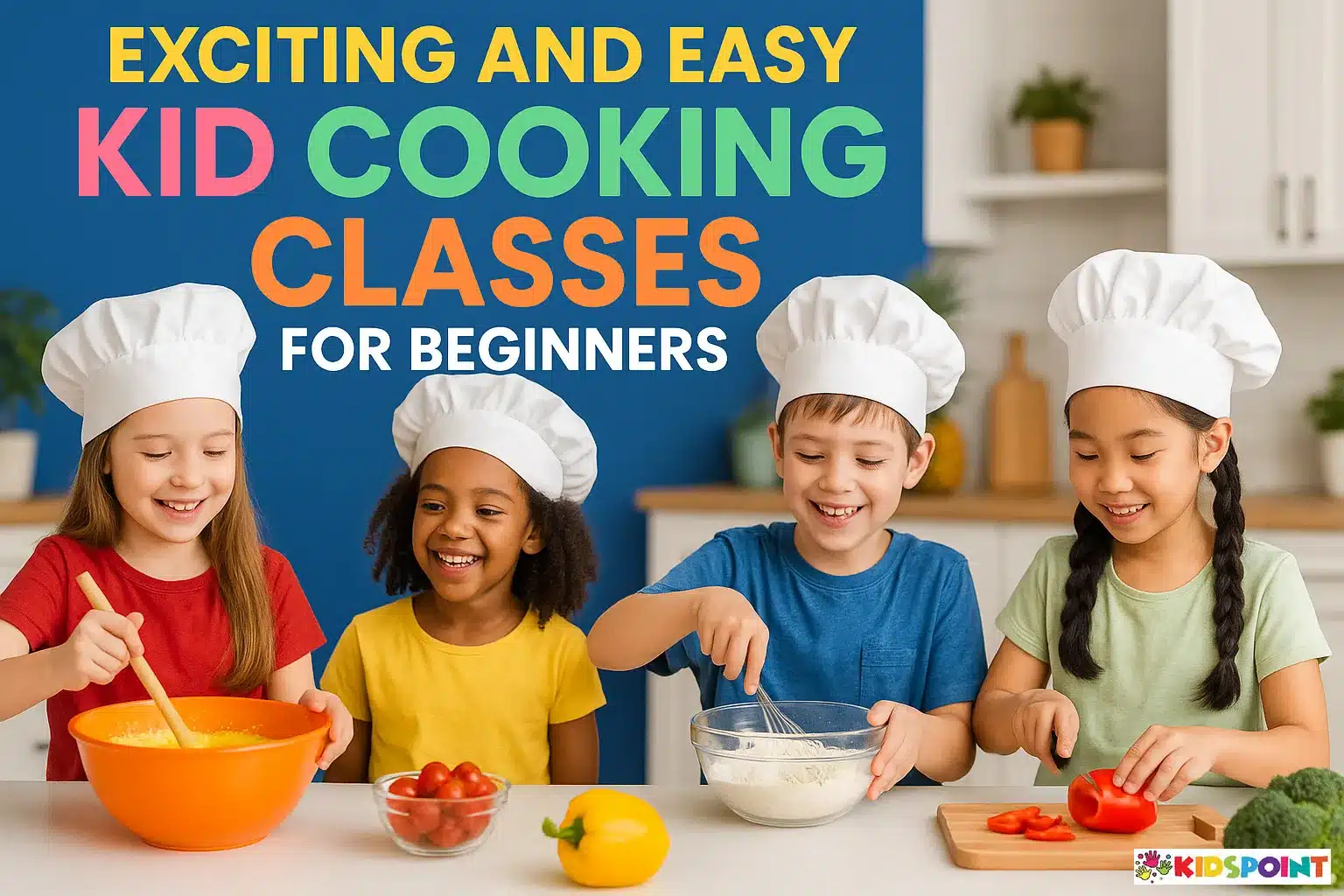
Cooking is more than just preparing food—it’s an exciting way for kids to learn life skills, express creativity, and even strengthen their academic knowledge. At The Kids Point, we believe that introducing children to cooking at an early age helps them gain confidence, independence, and a healthy appreciation for food.
In this guide, we’ll take you through everything you need to know about exciting and easy kid cooking classes for beginners, including benefits, safety tips, recipe ideas, and how parents and educators can make the process fun and educational.
Why Cooking Classes Are Important for Kids
Cooking is often overlooked as a childhood activity, but it offers countless benefits that extend far beyond the kitchen.
Builds Life Skills
Cooking is a life skill every child will need. Early exposure helps kids learn how to prepare meals, understand nutrition, and appreciate the value of homemade food.
Enhances Academic Learning
Cooking involves math (measuring, fractions, counting), science (mixing, reactions, heat transfer), and reading (following recipes and instructions). This hands-on approach makes learning fun and practical.
Boosts Creativity and Confidence
From decorating cupcakes to experimenting with new flavors, cooking gives kids a chance to be creative. Successfully completing a recipe builds confidence and encourages independence.
Encourages Healthy Eating
Kids are more likely to eat fruits, vegetables, and healthy meals if they are part of the cooking process. Cooking classes can turn picky eaters into adventurous food explorers.
Strengthens Family Bonds
Cooking together creates opportunities for family bonding. It also teaches teamwork, patience, and the joy of sharing meals.
Preparing Kids for Their First Cooking Class
Before children start their cooking journey, it’s important to set the right foundation.
Essential Safety Tips
- Supervise at all times: An adult should always be present to guide and supervise.
- Teach knife safety: Start with kid-friendly knives and teach the basics of cutting.
- Heat awareness: Children should learn how to handle stoves, ovens, and microwaves safely.
- Cleanliness: Encourage hand washing, cleaning surfaces, and proper food handling.
- Emergency basics: Teach kids what to do if there’s a spill, cut, or burn.
Tools and Equipment for Beginners
We recommend starting with safe, age-appropriate tools:
- Plastic or nylon knives
- Mixing bowls and measuring cups
- Whisks and wooden spoons
- Cutting boards with non-slip grips
- Small aprons and oven mitts
- Easy-to-use electric mixers (optional for older kids)
Fun and Easy Recipes for Beginner Cooking Classes
The key to a successful kids’ cooking class is choosing recipes that are simple, colorful, and engaging. Here are some fun ideas:
No-Bake Energy Bites
- Skills Learned: Measuring, mixing, shaping
- Ingredients: Oats, peanut butter, honey, chocolate chips, raisins
- Why It’s Great: No stove required and kids can roll the bites into fun shapes.
Fruit and Yogurt Parfaits
- Skills Learned: Layering, portioning, creativity
- Ingredients: Yogurt, granola, berries, bananas, honey
- Why It’s Great: Healthy, colorful, and customizable.
Mini Pizzas
- Skills Learned: Spreading, topping, baking basics
- Ingredients: English muffins, tomato sauce, cheese, vegetable toppings
- Why It’s Great: Kids love choosing their own toppings.
Sandwich Faces
- Skills Learned: Creativity, arranging ingredients
- Ingredients: Bread, cheese, vegetables, fruits
- Why It’s Great: Turns snack time into an art project.
Simple Smoothies
- Skills Learned: Measuring, blending, flavor combinations
- Ingredients: Milk or juice, bananas, strawberries, spinach (optional), ice
- Why It’s Great: A healthy drink that kids can experiment with.
How to Structure a Kids’ Cooking Class
We’ve developed a simple structure that makes cooking lessons engaging and educational:
Introduction (5–10 minutes)
- Greet the children
- Explain the recipe and ingredients
- Discuss safety rules
Hands-On Activity (20–30 minutes)
- Assign small, age-appropriate tasks
- Encourage teamwork and creativity
- Offer guidance, but let kids take the lead
Cooking or Assembling (10–15 minutes)
- Supervise any oven or stove use
- Teach timing and patience
- Discuss smells, textures, and colors
Presentation and Tasting (10 minutes)
- Let kids serve and present their dishes
- Encourage polite tasting and sharing
- Talk about what they enjoyed or learned
Clean-Up and Reflection (10 minutes)
- Teach the importance of cleaning
- Ask kids what they would like to cook next time
Age-Appropriate Cooking Activities
Not all children can handle the same tasks, so tailoring activities by age ensures safety and fun.
Ages 3–5 (Toddlers & Preschoolers)
- Washing fruits and vegetables
- Stirring and mixing
- Tearing lettuce
- Decorating cookies or sandwiches
Ages 6–8 (Early Elementary)
- Measuring ingredients
- Using child-safe knives
- Assembling sandwiches, wraps, or parfaits
- Cracking eggs with guidance
Ages 9–12 (Upper Elementary)
- Cooking simple dishes on the stove with supervision
- Baking muffins, cookies, or cakes
- Following written recipes
- Experimenting with flavors
Ages 13+ (Teens)
- Independent cooking with supervision
- Handling sharp knives safely
- Cooking full meals
- Meal planning and nutrition discussions
Making Cooking Educational
Cooking is a perfect opportunity to sneak in valuable lessons. We connect food with learning in creative ways:
- Math Skills: Measuring cups, fractions, counting, and timing.
- Science Skills: Observing how ingredients change with heat, cold, or mixing.
- Language Skills: Reading recipes, learning new words, and following instructions.
- Cultural Awareness: Exploring foods from around the world and learning about traditions.
- Social Skills: Taking turns, teamwork, and practicing patience.
Virtual Cooking Classes for Kids
In today’s digital world, online cooking classes have become increasingly popular. These are perfect for families who want to learn from home.
Benefits of virtual classes:
- Safe and convenient
- Allows parents to join in
- Recordings available for practice
- Access to professional instructors worldwide
We also recommend hybrid learning—combining virtual sessions with in-person kitchen experiences.
Tips for Parents and Teachers to Keep Cooking Fun
- Let kids make choices: Allow them to pick recipes or ingredients.
- Celebrate mistakes: Not every dish will be perfect, but every effort is a success.
- Introduce new foods slowly: Mix familiar favorites with something new.
- Turn it into a game: Use cooking challenges or competitions.
- Reward creativity: Encourage kids to decorate, experiment, and present food in fun ways.
Common Challenges in Kids’ Cooking Classes (and Solutions)
- Messy kitchens: Teach kids the habit of cleaning as they go.
- Short attention spans: Keep tasks short and engaging.
- Picky eaters: Let them help with preparation; they’re more likely to try it.
- Limited space: Work in groups or rotate tasks.
- Safety concerns: Use age-appropriate tools and always supervise.
Inspiring Stories of Kids Who Love Cooking
We’ve seen children transform into confident little chefs. For example:
- A 7-year-old picky eater who began trying vegetables after making his own veggie pizza.
- A 10-year-old girl who learned fractions by measuring ingredients and now excels in math.
- A group of siblings who started a weekend “family cooking club” after attending a class.
These stories remind us that cooking can spark passion, confidence, and healthy habits that last a lifetime.
Frequently Asked Questions
What age is best for kids to start cooking classes?
Kids as young as 3–5 can start with simple tasks like washing fruits or stirring. Older kids (6–12) can handle measuring, baking, and easy stove use with supervision.
Do kids need special tools for cooking?
Yes, it’s best to use child-safe tools like plastic knives, small cutting boards, and lightweight bowls to make cooking safe and fun.
How do cooking classes help picky eaters?
When kids help prepare food, they’re more likely to taste it. Cooking classes encourage them to try new flavors in a fun and positive way.
Final Thoughts on Kids’ Cooking Classes
Cooking classes are one of the most exciting and educational activities for kids. They blend fun, creativity, learning, and life skills in a way that no other activity can. Whether through simple no-bake recipes, family cooking nights, or structured classes, children gain valuable skills that prepare them for the future.
At The Kids Point, our mission is to make learning fun and meaningful. Exciting and easy kid cooking classes for beginners are the perfect way to help children explore food, gain confidence, and develop lifelong skills. So, put on those aprons, roll up your sleeves, and let’s start cooking!