

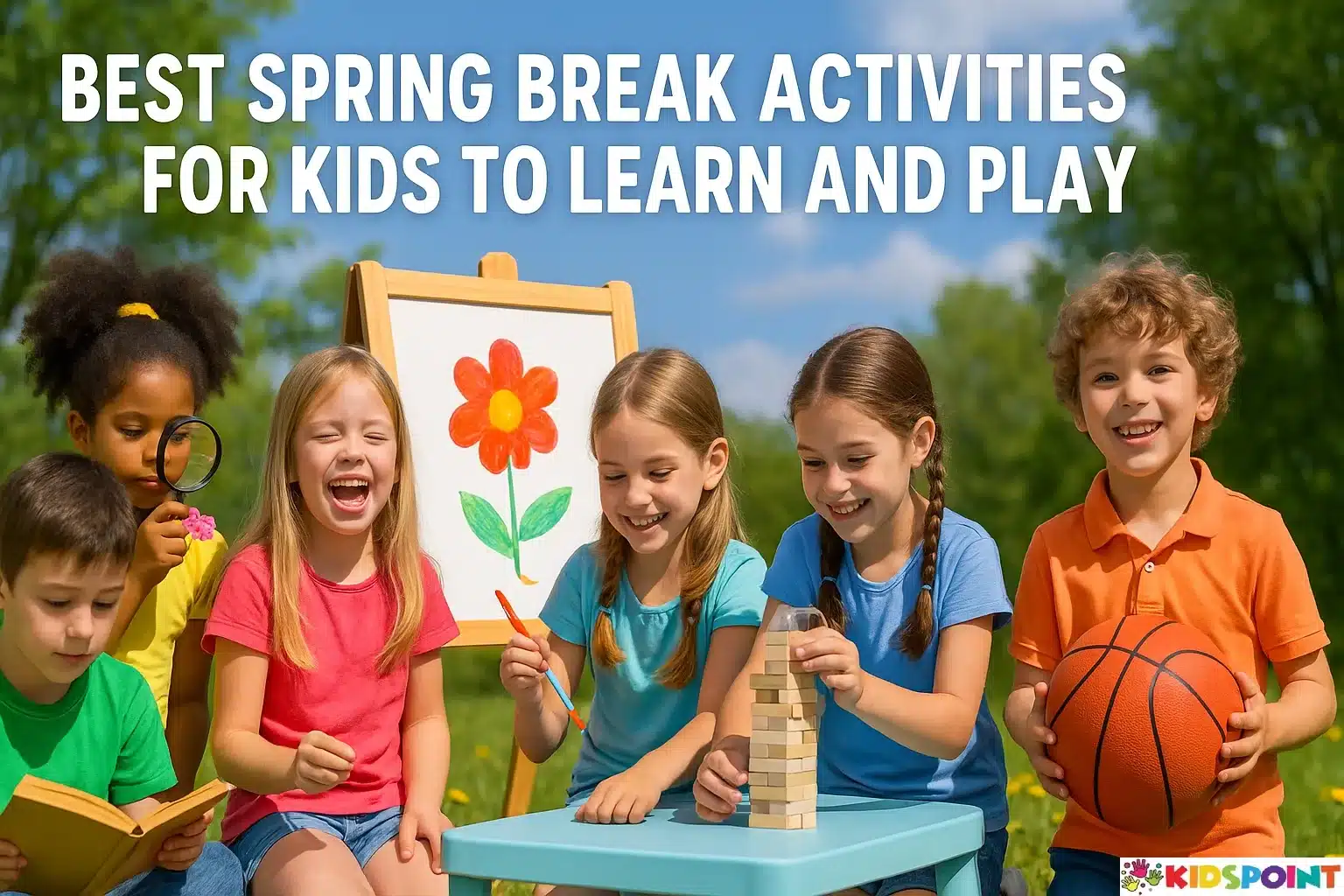
Spring break is one of the most exciting times of the year for kids. The weather gets warmer, flowers begin to bloom, and children finally get a break from the school routine. But while kids look forward to fun and relaxation, parents often look for meaningful ways to help them stay engaged, learn new skills, and stay active.
At The Kids Point, we believe spring break offers the perfect opportunity to combine play with learning. With the right activities, children can explore creativity, build independence, discover new talents, and make lasting memories—all while having a blast.
This comprehensive guide highlights the best spring break activities that are fun, educational, and parent-approved. From outdoor adventures and STEAM projects to creative art sessions and family bonding ideas, these activities ensure your child gets the most enriching experience during their well-deserved break.
Why Spring Break Is a Great Time for Learning Through Play
While spring break is traditionally known for vacations and downtime, it is also an ideal period for experiential learning. During this week or two of freedom, kids absorb new information in a relaxed, stress-free environment. Activities that blend fun with skill development help children in several ways:
Encourages Hands-On Exploration
Kids learn best by doing. Outdoor play, science experiments, and crafts allow them to explore independently.
Supports Emotional Development
Family activities and creative expression help build confidence, communication skills, and emotional resilience.
Reduces Screen Time
By providing engaging, purposeful offline activities, kids spend less time in front of screens.
Strengthens Bonds
Parents and children enjoy quality time together, away from the everyday rush.
Top Spring Break Activities for Kids to Learn and Play
Below is a curated list of the most rewarding, educational, and exciting spring break activities you can try at home or outdoors. Each idea nurtures creativity, curiosity, and learning while keeping the fun alive.
Nature Scavenger Hunt Adventure
A nature scavenger hunt is a fantastic activity to get kids outdoors and curious about the natural world. Create a list of items—flowers, insects, leaves, rocks, or colors—and let kids explore the backyard, park, or nature trails.
Benefits:
- Teaches observation and problem-solving
- Provides physical exercise
- Encourages love and respect for nature
Learning Twist: Ask kids to keep a small nature journal to sketch their findings or write short descriptions.
DIY Garden Planting Project
Spring is the season of growth, making it the perfect time to teach kids about gardening. You can plant flowers, vegetables, herbs, or even small trees.
How to Start:
- Choose easy-to-grow plants (basil, sunflower, mint, cherry tomatoes).
- Let kids decorate pots or garden markers.
- Teach basic plant care like watering and sunlight needs.
Benefits:
- Encourages responsibility
- Teaches biology in a hands-on way
- Helps children appreciate healthy foods
This calm and rewarding activity can turn into a long-term family hobby.
Backyard Camping and Stargazing
If you can’t take a vacation, create a mini-adventure at home! Set up a small tent in the backyard, bring blankets, flashlights, and snacks, and spend the evening under the stars.
Add Learning Elements:
- Identify constellations using an astronomy app
- Tell cultural or historical star myths
- Teach kids about the moon phases
Benefits:
- Builds survival and outdoor skills
- Enhances curiosity about science and space
- Creates beautiful family memories
Creative Art and Craft Festival
Set up an art corner with craft supplies—paper, glue, glitter, crayons, paints, beads, and fabric—and let kids explore their creativity.
Project Ideas:
- Spring-themed drawings
- Nature collages
- Wind chimes or suncatchers
- DIY bird feeders
- Paper flower bouquets
Why It Works: Art improves fine motor skills, concentration, imagination, and emotional expression. Best of all, it keeps kids entertained for hours.
STEM Experiments at Home
Spring break is the perfect opportunity to encourage young scientists! Try easy, safe at-home experiments such as:
- Making slime
- Building a baking-soda volcano
- Creating a balloon-powered car
- Growing crystal shapes
- Designing a simple circuit
Skills Kids Develop:
- Logical thinking
- Patience and persistence
- Scientific curiosity
- Problem-solving
We always encourage combining science, technology, engineering, and math with playful learning to build a child’s confidence and intelligence.
Cooking and Baking Together
Kids love helping in the kitchen, and cooking teaches math, chemistry, nutrition, and responsibility.
Kid-Friendly Recipe Ideas:
- Fruit kababs
- Mini sandwiches
- Homemade pizza
- Spring cupcakes
- No-bake chocolate balls
Learning Benefits:
- Improves measuring and counting skills
- Strengthens motor skills
- Teaches hygiene and safety
- Helps kids try new foods
This activity becomes even more fun when kids can decorate their creations.
Family Board Games and Puzzle Time
Classic board games never go out of style! They help kids learn teamwork, thinking strategies, and patience.
Recommended Games:
- Scrabble (builds vocabulary)
- Ludo or Snakes and Ladders (teaches counting)
- Uno (promotes attention and color recognition)
- Jenga (builds fine motor skills)
Puzzles—jigsaw, wooden, or 3D—also boost concentration and cognitive skills.
Science Museum or Zoo Trip
Spring break is a wonderful time for field trips. A visit to a zoo, botanical garden, science museum, or planetarium can be incredibly enriching.
What Kids Learn:
- Animal behavior and habitats
- Environmental awareness
- Scientific facts
- Cultural history
Field trips allow kids to connect classroom learning with real-world experiences.
DIY Story Writing and Book-Making
Encourage kids to express their imagination by creating their own stories. Provide them with colorful paper, markers, and stickers.
What They Can Create:
- Storybooks
- Comic strips
- Adventure journals
- Poetry collections
Learning Benefits:
- Improves writing and vocabulary
- Encourages creativity
- Helps kids understand story structure
Parents can help with binding the pages into a small handmade book.
Sports Day or Outdoor Obstacle Course
Turn your backyard or local park into a mini sports arena. Set up stations for:
- Running races
- Mini hurdles
- Jump rope
- Ball toss
- Relay challenges
Benefits:
- Keeps kids active and healthy
- Boosts confidence and teamwork
- Improves balance, coordination, and strength
This activity is especially helpful for energetic kids who love movement.
Spring-Themed Sensory Play
Sensory play supports brain development, especially for younger children.
Ideas for Sensory Bins:
- Colored rice
- Water beads
- Flower petals
- Sand and shells
- Seeds and soil
Add scoops, cups, funnels, and small toys to make it more interactive.
Photography Challenge for Kids
Kids today love taking photos—so why not turn it into a learning activity?
Try These Ideas:
- “Capture Spring” photo challenge
- Take pictures of insects, flowers, clouds, or pets
- Create a spring break photo journal
- Make a scrapbook of printed photos
Skills Developed:
- Creativity
- Observation
- Storytelling
This is one of the most enjoyable and modern learning activities for spring break.
Community Volunteering and Acts of Kindness
Spring break is also a chance to teach children empathy and responsibility.
Simple Ways Kids Can Help:
- Cleaning up a park
- Donating gently used toys
- Writing thank-you notes to community helpers
- Helping neighbors with small tasks
Kids learn the importance of kindness, generosity, and community spirit.
Tips for Parents to Make Spring Break More Enjoyable
To ensure a smooth and joyful spring break, here are a few helpful tips:
Balance Structure and Freedom
Plan a few key activities but allow kids time to relax and choose what they want to do.
Encourage Screen-Free Hours
Set aside “tech-free afternoons” to promote creativity and physical play.
Provide Variety
Mix indoor, outdoor, educational, and relaxing activities for a well-rounded break.
Involve Kids in Planning
Let children help choose the daily activities—they feel more excited and responsible.
Capture Memories
Take photos, save crafts, and document small moments—it becomes a treasured family keepsake.
We believe childhood memories build strong emotional well-being. Spring break is a golden opportunity to create those lifelong joyful moments.
FAQs About Spring Break Activities For Kids
What are the best educational spring break activities for kids?
STEM experiments, gardening, museum trips, and creative crafts are great ways to blend fun with learning.
How can I keep my kids active during spring break?
Outdoor games, sports day, hiking, biking, and nature scavenger hunts help keep kids moving and energized.
Are indoor activities enough for learning?
Yes! Story writing, puzzle building, cooking, and art projects strengthen cognitive and creative skills.
What activities are good for younger kids?
Sensory bins, simple crafts, outdoor play, and guided story time work wonderfully for toddlers and preschoolers.
How can I reduce screen time during spring break?
Plan engaging offline activities, set daily limits, and encourage hands-on learning opportunities.
Final Thoughts
Spring break offers a perfect blend of freedom and opportunity. With the right mix of educational and playful activities, kids can explore new interests, stay active, and make unforgettable memories. Whether you choose outdoor adventures, STEM projects, creative arts, or family bonding activities, the goal is simple—let kids discover the joy of learning through play.
At The Kids Point, we believe every child deserves a spring break that sparks curiosity, creativity, and happiness. With these fun and meaningful ideas, your child’s break will be enriching, exciting, and full of growth.