

Ensuring the safety of children is a top priority for every parent, guardian, and caregiver. With kids exploring the world around them, accidents and unforeseen dangers can happen at any moment. Asking the right safety questions can make a significant difference in preventing harm and teaching children how to protect themselves. At The Kids Point, we emphasize proactive approaches to child safety, combining awareness, preparation, and everyday precautions.
In this article, we’ll explore the most important safety questions parents should ask daily, provide practical answers, and offer tips to create a safe and secure environment for children.
Why Daily Safety Questions Matter
Daily safety checks and awareness are crucial for several reasons:
- Prevention of Accidents: Asking simple questions about your child’s environment and activities can prevent common accidents at home, school, or outdoors.
- Promoting Awareness: Kids learn to recognize potential dangers and make safer choices.
- Building Communication: Regular safety discussions foster trust and open communication between parents and children.
- Emergency Preparedness: Knowing what questions to ask helps parents act quickly in emergencies.
By integrating safety questions into your daily routine, you create a culture of awareness and protection for your children.
Top Safety Questions Parents Should Ask Daily
Here are the essential safety questions every parent should consider:
Who Are You With Today?
Knowing your child’s companions ensures they are in safe company.
Tips:
- Teach children to share names of friends and caregivers.
- Encourage awareness of peer behavior and possible risks.
- Use check-ins for older kids with phones or messaging apps.
Benefits: Helps monitor social interactions and prevents exposure to unsafe influences.
Where Are You Going?
Children should understand the importance of sharing their whereabouts.
Tips:
- Encourage kids to inform parents before leaving home or moving to a new location.
- Set clear rules for permissible areas.
- Teach children to avoid dangerous or unsupervised places.
Benefits: Enhances situational awareness and reduces risks of getting lost or entering unsafe spaces.
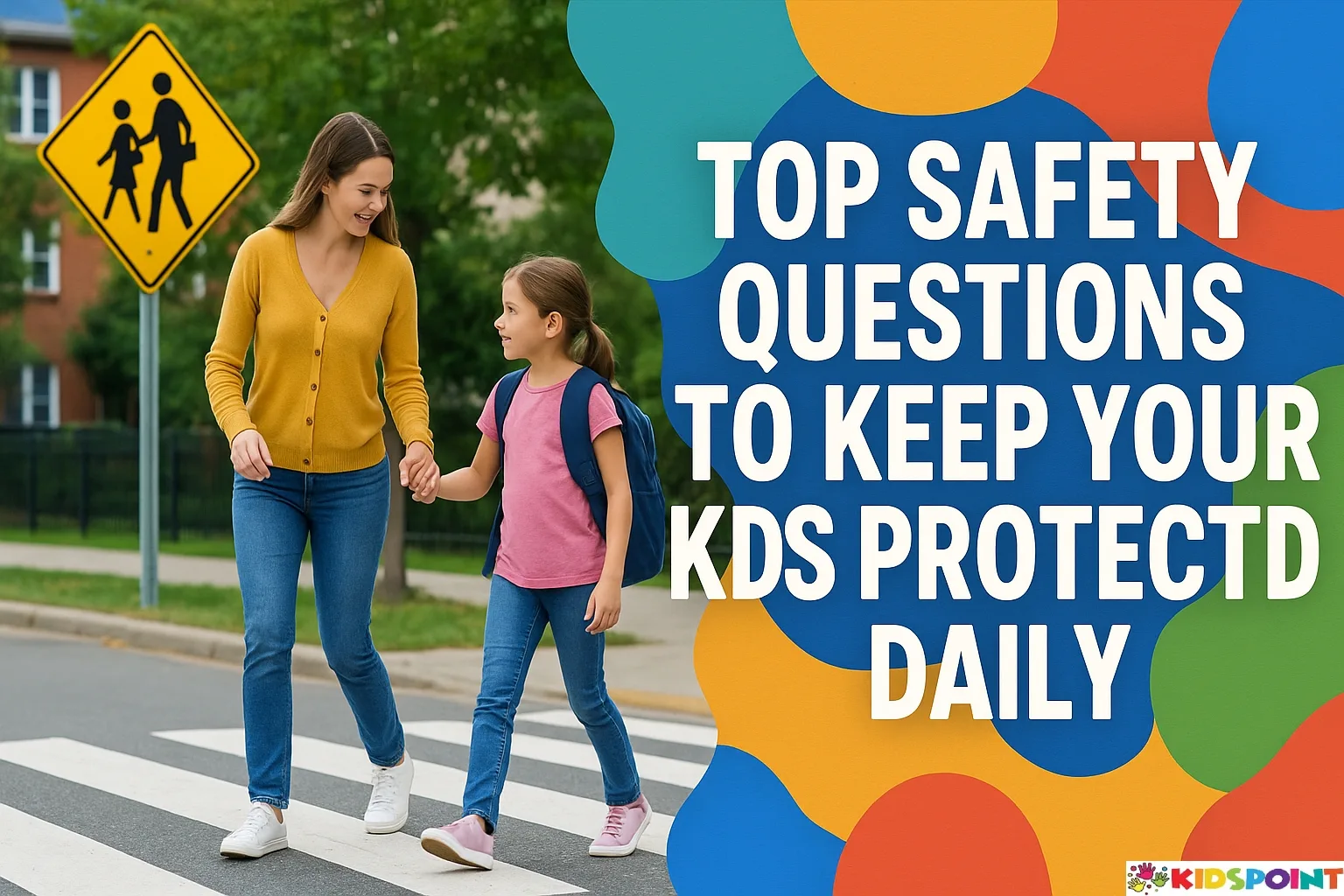
Do You Know How to Cross Streets Safely?
Road safety is vital for children, especially when walking or biking.
Tips:
- Reinforce looking both ways and using crosswalks.
- Teach children to obey traffic signals and pedestrian signs.
- Practice safe walking routes with kids.
Benefits: Reduces the risk of accidents and instills lifelong road safety habits.
Are You Wearing Safety Gear?
Whether riding a bicycle, skateboarding, or participating in sports, proper safety equipment is essential.
Tips:
- Helmets, knee pads, and elbow pads are a must for biking and skating.
- Seat belts should always be worn in vehicles.
- Proper footwear and protective clothing reduce injury risks.
Benefits: Minimizes injury and reinforces the importance of safety precautions.
Do You Know Emergency Numbers?
Children should know how to get help if needed.
Tips:
- Teach kids their home address, phone number, and parents’ contact information.
- Introduce local emergency numbers (police, fire department, medical services).
- Practice scenarios where children might need to call for help.
Benefits: Prepares children to act confidently in emergencies.
Are You Using the Internet Safely?
Digital safety is as important as physical safety in today’s world.
Tips:
- Monitor online activity and use parental controls.
- Teach kids not to share personal information with strangers.
- Discuss cyberbullying and appropriate online behavior.
Benefits: Protects children from online predators, scams, and harmful content.
Did You Wash Your Hands and Stay Hygienic?
Daily hygiene prevents illnesses, especially in school environments.
Tips:
- Teach proper handwashing techniques, especially before meals and after outdoor activities.
- Encourage regular bathing, clean clothes, and oral hygiene.
- Use sanitizer when soap and water aren’t available.
Benefits: Reduces the spread of germs and keeps children healthy.
Are You Eating Safely?
Food safety and dietary awareness prevent choking hazards and allergic reactions.
Tips:
- Ensure age-appropriate foods and monitor allergies.
- Encourage slow eating and proper chewing.
- Avoid small, hard foods that can cause choking for younger kids.
Benefits: Prevents common accidents and promotes healthy eating habits.
Do You Know How to Handle Strangers?
Stranger danger awareness is essential for children’s personal safety.
Tips:
- Teach children to never accept gifts or rides from strangers.
- Use “safe strangers” like police officers or store staff in emergencies.
- Role-play scenarios to practice responses to strangers.
Benefits: Increases confidence and helps prevent abduction or unsafe interactions.
Are You Being Mindful Around Water and Pools?
Water safety is crucial, even in small pools or bathtubs.
Tips:
- Never leave young children unsupervised near water.
- Use life jackets for boating or swimming.
- Teach children basic water survival skills.
Benefits: Prevents drowning accidents and encourages safe swimming habits.
Are You Following Rules at School and Playgrounds?
Rules at school, playgrounds, and sports areas prevent injuries.
Tips:
- Discuss safe behavior on slides, swings, and climbing structures.
- Encourage following classroom and playground rules.
- Teach children to report unsafe behavior or broken equipment.
Benefits: Reduces injuries and fosters respect for rules and authority.
Are You Prepared for Weather Changes?
Being prepared for sun, rain, or cold helps children stay safe and healthy.
Tips:
- Dress appropriately for the weather.
- Apply sunscreen on sunny days and use hats or sunglasses.
- Carry rain gear or warm clothing for sudden weather changes.
Benefits: Prevents weather-related illnesses like sunburn, heatstroke, or hypothermia.
Safety Tips for Parents and Caregivers
- Create a Daily Safety Routine: Incorporate safety questions into morning or evening check-ins.
- Teach by Example: Children learn by observing safe behavior at home.
- Set Clear Rules: Consistency in rules and expectations reinforces safety habits.
- Regularly Inspect the Home: Check for hazards such as sharp edges, loose cords, or toxic materials.
- Encourage Open Communication: Make children feel comfortable discussing fears, accidents, or unsafe situations.
- Use Technology Wisely: GPS trackers or parental apps can help monitor older kids’ safety without being intrusive.
- Practice Emergency Drills: Fire drills, earthquake drills, and first-aid practice improve preparedness.
Emergency Preparedness Checklist
We recommend parents maintain a checklist to stay ready for emergencies:
- First aid kit stocked and accessible
- Emergency contacts saved and memorized by kids
- Fire extinguisher and smoke detectors checked regularly
- Knowledge of CPR and basic first aid for family members
- Safe evacuation routes planned for home and school
Having these measures in place can drastically reduce risks and improve response times in critical situations.
Essential Safety FAQs
How can I make safety routines fun for kids?
Use games, role-play, and rewards to teach safety habits without making it feel like a chore.
At what age should children know emergency numbers?
Children as young as 5–6 can start learning simple emergency contacts with guidance.
How often should I review safety rules with my kids?
Daily quick check-ins and monthly detailed reviews work best to reinforce habits.
What if my child doesn’t listen to safety rules?
Be patient, model safe behavior, and explain consequences clearly. Positive reinforcement helps.
Are online safety tips different for different age groups?
Yes. Younger kids need supervised access, while older kids should learn privacy, cyberbullying awareness, and responsible use.
Final Thoughts on Keeping Kids Safe Daily
Keeping children safe is a daily responsibility that requires awareness, preparation, and open communication. By asking key safety questions—ranging from whereabouts, road safety, hygiene, online use, to emergency preparedness—parents can protect their children and foster independence in a secure environment.
At The Kids Point, we encourage caregivers to make safety a part of everyday conversations, teach children essential skills, and create routines that build confidence and awareness. With proactive steps, you can ensure that your kids explore, learn, and grow while staying safe every day.