

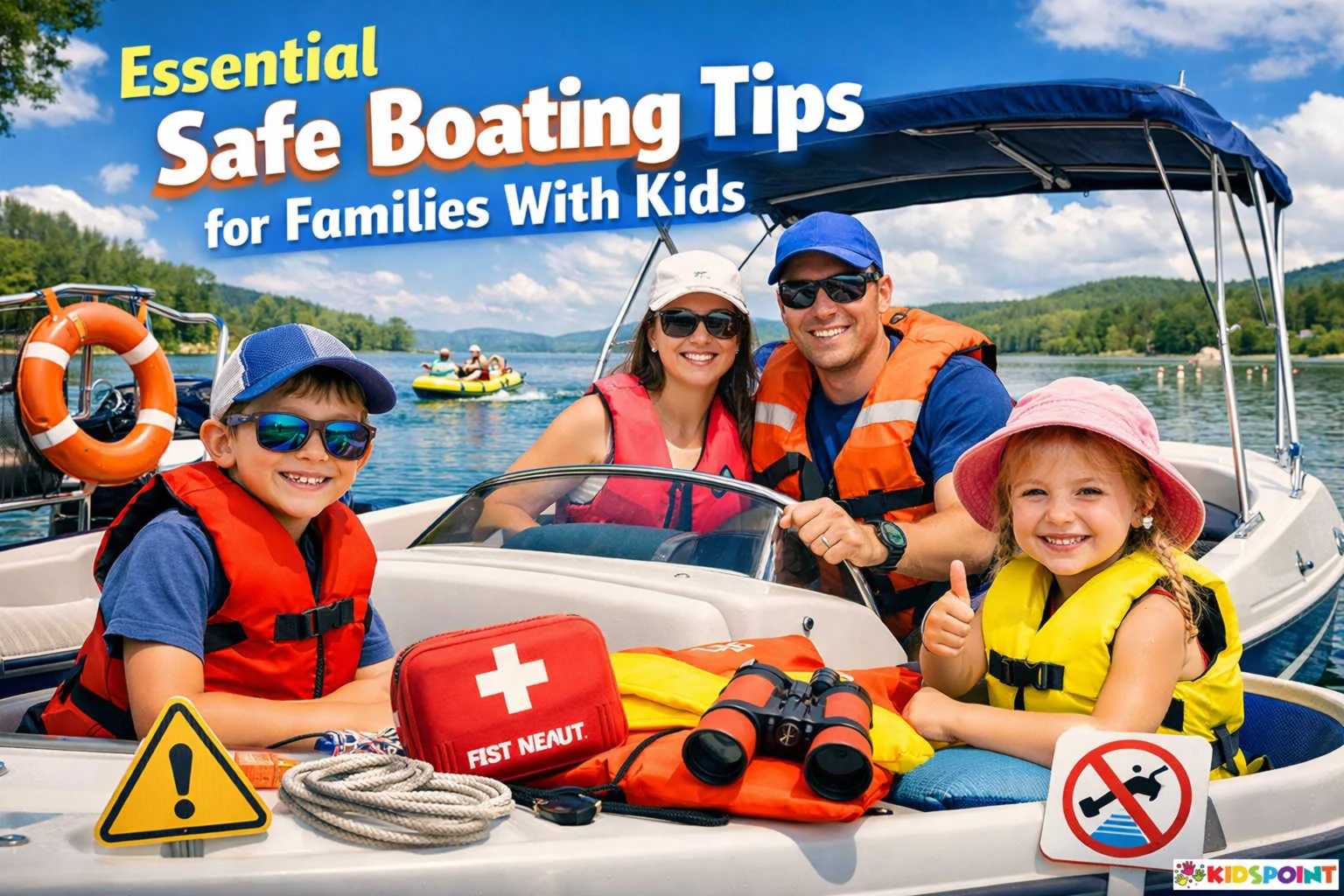
Boating can be one of the most exciting and memorable family experiences. Whether you’re planning a relaxing lake trip, a fishing adventure, or a coastal getaway, time on the water offers incredible bonding opportunities. However, when children are involved, safety must always come first.
At The Kids Point, we believe family fun should always be paired with preparation and awareness. Children are naturally curious and energetic, which makes boating safety especially important. In this comprehensive guide, we’ll cover everything families need to know to ensure a safe, enjoyable boating experience with kids.
Why Boating Safety Is Especially Important for Kids
Water environments are unpredictable. Changing weather conditions, boat traffic, strong currents, and limited swimming ability can quickly create dangerous situations.
Children:
- Have less developed balance and coordination
- May panic easily in water emergencies
- Get tired more quickly
- Often underestimate risks
Proper preparation, supervision, and safety habits dramatically reduce risks and help families enjoy stress-free boating adventures.
Always Wear Properly Fitted Life Jackets
The most important boating rule for children is simple: Wear a life jacket at all times.
According to the U.S. Coast Guard, wearing a properly fitted life jacket significantly reduces the risk of drowning.
Tips for Choosing the Right Life Jacket:
- Use Coast Guard-approved personal flotation devices (PFDs)
- Ensure the jacket is appropriate for your child’s weight and size
- Check that straps are snug but comfortable
- Test it in shallow water before the trip
Children should wear life jackets:
- On the boat
- On docks
- Near open water
- During water sports
We strongly encourage parents to model this behavior by wearing life jackets themselves.
Assign a Dedicated Adult “Water Watcher”
Never assume someone else is watching the children.
Designate one responsible adult as the Water Watcher at all times. This person should:
- Avoid distractions (no phones or alcohol)
- Maintain constant visual contact
- Stay within arm’s reach of young children
Rotate this responsibility among adults every 15–20 minutes to prevent fatigue.
Teach Kids Basic Water Safety Rules
Before stepping onto the boat, explain simple and clear rules:
- No running on deck
- Always sit while the boat is moving
- Keep hands and feet inside
- Listen to the captain immediately
Role-playing scenarios at home helps children understand expectations before they reach the water.
Take a Boating Safety Course
Even experienced boaters benefit from updated safety training. Many organizations offer family-friendly boating safety programs.
You can explore courses from:
- U.S. Coast Guard Auxiliary
- American Red Cross
Safety courses teach:
- Navigation rules
- Emergency procedures
- Weather awareness
- Child-specific precautions
Knowledge builds confidence and reduces panic during unexpected situations.
Check Weather Conditions Before Departure
Weather can change quickly on the water. Before leaving:
- Check wind speed
- Monitor storm alerts
- Review marine forecasts
Avoid boating if thunderstorms or high winds are predicted.
Remember: dark clouds and sudden temperature drops can signal approaching danger.
Prepare an Emergency Plan
Every family should discuss a simple emergency plan before departure.
Teach Kids:
- How to call for help
- Where safety equipment is stored
- How to stay calm in water
Have emergency supplies on board, including:
- First aid kit
- Extra life jackets
- Whistle or horn
- Flashlight
- Waterproof phone case
Practice drills so children feel prepared rather than frightened.
Keep Kids Sun-Safe
Sun exposure reflects off water and increases the risk of burns.
Protect your children by:
- Applying SPF 30+ sunscreen every 2 hours
- Wearing wide-brim hats
- Using UV-protective swim shirts
- Providing shaded seating areas
Dehydration can happen quickly, so encourage frequent water breaks.
Maintain Proper Boat Maintenance
A well-maintained boat is a safe boat.
Before heading out:
- Inspect fuel levels
- Check engine condition
- Test steering and brakes
- Ensure safety equipment is accessible
Mechanical failures can be particularly stressful when children are aboard.
Teach Swimming Skills Early
While life jackets are essential, swimming skills add an extra layer of protection.
Consider enrolling your child in swimming lessons through reputable programs like:
- YMCA
Swimming lessons improve:
- Water confidence
- Breath control
- Floating skills
We encourage swimming education as part of overall child safety development.
Avoid Alcohol While Boating With Kids
Alcohol impairs judgment, coordination, and reaction time.
When children are present:
- Avoid alcohol completely
- Stay alert and responsive
- Prioritize safety over relaxation
Your focus should remain entirely on supervision and navigation.
Establish Clear Seating Rules
Children should:
- Remain seated while the boat is moving
- Avoid standing near edges
- Stay away from the motor area
Sudden waves or wakes from other boats can cause unexpected jolts.
Be Extra Cautious During Water Sports
If your family enjoys tubing or waterskiing:
- Ensure children wear proper life jackets
- Use a spotter in addition to the driver
- Maintain safe speeds
- Avoid crowded waterways
Never allow small children to participate in activities beyond their skill level.
Practice Dock and Marina Safety
Docks can be slippery and unstable.
Teach kids to:
- Walk carefully
- Avoid pushing or rough play
- Hold an adult’s hand
Falling between boats and docks can be dangerous due to tight spaces.
Know the Local Boating Laws
Each region may have specific regulations regarding:
- Life jacket requirements
- Age limits for operating boats
- Speed restrictions
Research local laws before your trip to ensure compliance and avoid penalties.
Stay Visible and Use Safety Signals
Equip your boat with:
- Proper lighting
- Signal flags
- Whistles or horns
Teach children how to use a whistle in case they fall overboard.
Keep Trips Age-Appropriate
Long boating trips can be exhausting for young children.
Consider:
- Shorter excursions
- Frequent breaks
- Calm waters for beginners
A positive early experience encourages lifelong water confidence.
Pack Kid-Friendly Essentials
Bring:
- Snacks
- Extra clothing
- Towels
- Motion sickness remedies (if needed)
- Comfort items for younger children
Prepared families face fewer unexpected challenges.
Secure All Equipment
Loose gear can:
- Cause tripping hazards
- Fall overboard
- Create injuries during sudden stops
Store fishing rods, coolers, and bags securely.
Teach “Reach, Throw, Don’t Go”
If someone falls in:
- Reach with an object
- Throw a flotation device
- Avoid jumping in unless trained
This simple rule can prevent additional emergencies.
Keep Communication Devices Ready
Carry:
- Charged mobile phone
- Marine radio
- Emergency contact list
Waterproof storage ensures functionality during emergencies.
Building Safe and Happy Boating Memories
Boating with children is about balance—balancing excitement with responsibility, adventure with awareness, and fun with preparation.
When families follow safety guidelines, boating becomes:
- A bonding experience
- A learning opportunity
- A confidence-building activity
We believe that children thrive when safety and exploration go hand in hand. Teaching boating safety early helps kids develop respect for water and build lifelong responsible habits.
Encouraging a Safety-First Mindset
Children learn best by observing adults. When parents:
- Wear life jackets
- Follow boating laws
- Stay calm in stressful situations
- Prioritize preparation
Kids naturally adopt the same mindset.
Safety doesn’t limit fun—it enhances it. Knowing you are prepared allows everyone to relax and enjoy the journey.
Common Family Boating Questions Answered
How important is a life jacket for kids on a boat?
Life jackets are essential and must be worn at all times to prevent drowning and ensure safety.
Who should supervise children while boating?
A dedicated adult should watch the children constantly, avoiding distractions and staying within arm’s reach.
Can children participate in water sports?
Yes, but only with proper life jackets, age-appropriate activities, and close supervision.
Is it safe to boat during bad weather?
No. Always check weather forecasts and avoid boating if storms, strong winds, or rough waters are expected.
What should be included in a boating emergency kit?
A first aid kit, extra life jackets, whistles, flashlight, waterproof phone case, and basic supplies are essential.
Final Thoughts
Boating can be one of the most rewarding family adventures. From peaceful sunsets to exciting water sports, the memories created on the water often last a lifetime. However, no adventure is worth compromising your child’s safety.
By wearing proper life jackets, maintaining constant supervision, checking weather conditions, and preparing emergency plans, families dramatically reduce risks and increase enjoyment.
At The Kids Point, our mission is to support parents in creating safe, joyful experiences for their children. With thoughtful preparation and smart boating practices, your family can confidently set sail—knowing safety is always onboard.
Safe boating is smart boating. And smart boating makes unforgettable family memories.