

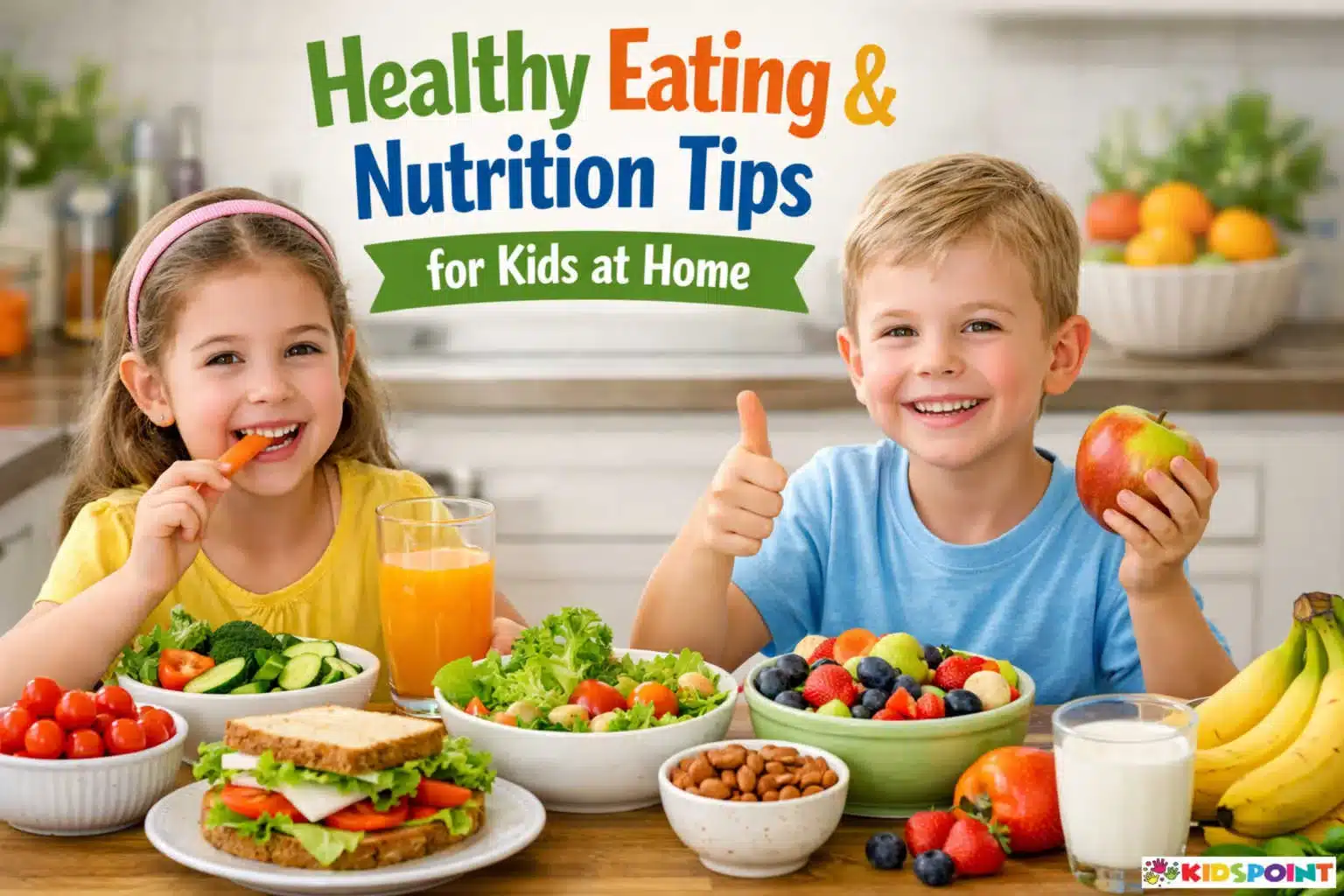
Healthy eating is one of the most important foundations for a child’s growth, development, and overall well-being. The foods children eat during their early years help shape their physical health, brain development, energy levels, and lifelong eating habits. However, with the increasing availability of processed foods and sugary snacks, many parents find it challenging to ensure their children follow a balanced and nutritious diet.
Creating healthy eating habits at home does not have to be complicated. With simple planning, nutritious ingredients, and positive encouragement, parents can help children develop a love for healthy foods. By making nutritious meals enjoyable and accessible, families can support children’s growth while building lifelong healthy routines.
At The Kids Point, we believe that good nutrition should start at home. When parents guide children toward balanced meals and healthy snacks, they are setting the stage for stronger bodies, sharper minds, and happier lifestyles.
This guide explores practical healthy eating and nutrition tips that parents can follow at home to help children develop positive eating habits.
Why Healthy Eating Is Important for Kids
Children are constantly growing and developing, which means their bodies require a steady supply of essential nutrients. Healthy eating helps support many aspects of a child’s development, including physical growth, brain function, immune strength, and emotional well-being.
Nutritious foods provide vitamins, minerals, protein, and healthy fats that are necessary for strong bones, muscles, and organs. When children eat balanced meals regularly, they also maintain better energy levels throughout the day.
Healthy eating can also improve focus and learning abilities. Children who consume nutritious foods are more likely to perform better in school because their brains receive the nutrients needed for concentration and memory.
We emphasize that proper nutrition is not just about avoiding unhealthy foods. It is about providing the right balance of nutrients that support a child’s overall development.
Understanding the Basic Nutritional Needs of Children
To create healthy meals for kids, it is important to understand the key nutrients that support their growth.
Protein
Protein helps build and repair body tissues and supports muscle development. Good sources of protein include eggs, beans, yogurt, fish, poultry, nuts, and dairy products.
Carbohydrates
Carbohydrates are the body’s main source of energy. Whole grains such as brown rice, oats, whole wheat bread, and whole grain pasta provide lasting energy for active children.
Healthy Fats
Healthy fats support brain development and provide energy. Foods like avocados, nuts, seeds, olive oil, and fatty fish contain beneficial fats that are important for growing children.
Vitamins and Minerals
Fruits and vegetables are rich in vitamins and minerals that help strengthen the immune system and support healthy body functions.
Fiber
Fiber supports digestion and helps children feel full for longer periods. Whole grains, fruits, vegetables, and legumes are excellent sources of fiber.
By including a variety of these nutrients in daily meals, parents can ensure their children receive balanced nutrition.
Building a Balanced Plate for Kids
One of the simplest ways to encourage healthy eating is by building balanced meals. A balanced plate includes a combination of different food groups.
A healthy meal for children should typically include:
- Fruits or vegetables
- Whole grains
- A protein source
- A healthy fat
- Dairy or calcium-rich foods
For example, a balanced lunch might include grilled chicken, brown rice, steamed vegetables, and a glass of milk. This combination provides a mix of nutrients that help keep children satisfied and energized.
Our balanced meals are encouraged because they ensure that children receive the nutrients needed for healthy growth.
Healthy Breakfast Ideas for Kids
Breakfast is often called the most important meal of the day. It provides the energy children need to start their day and supports concentration at school.
Some healthy breakfast ideas include:
- Oatmeal topped with fruit and nuts
- Whole grain toast with peanut butter and banana
- Yogurt with granola and berries
- Scrambled eggs with whole grain bread
- Smoothies made with fruits, milk, and yogurt
These breakfast options provide protein, fiber, and natural energy to help children stay active and focused.
Skipping breakfast can lead to fatigue and difficulty concentrating, so it is important for children to begin their day with a nutritious meal.
Nutritious Lunch and Dinner Ideas
Healthy lunches and dinners should include a mix of proteins, vegetables, and whole grains.
Some nutritious meal ideas include:
- Grilled chicken with quinoa and roasted vegetables
- Vegetable stir-fry with brown rice
- Whole wheat pasta with tomato sauce and lean meat
- Baked fish with sweet potatoes and broccoli
- Bean and vegetable wraps in whole wheat tortillas
These meals are rich in nutrients while still being simple enough for families to prepare at home.
We encourage parents to introduce a variety of foods so children can explore different flavors and develop balanced eating habits.
Healthy Snack Ideas for Kids at Home
Snacks play an important role in a child’s daily nutrition. Healthy snacks help maintain energy levels and prevent overeating during main meals.
Some nutritious snack options include:
- Apple slices with peanut butter
- Yogurt with fresh fruit
- Cheese and whole grain crackers
- Homemade smoothies
- Carrot and cucumber sticks with hummus
- Banana and oat energy bites
Healthy snacks should include a combination of protein, fiber, and healthy fats to keep children satisfied.
By keeping nutritious snacks readily available at home, parents can encourage healthier choices throughout the day.
Encouraging Kids to Eat More Fruits and Vegetables
Many children are reluctant to eat fruits and vegetables. However, there are several strategies parents can use to make them more appealing.
Make Food Colorful
Brightly colored fruits and vegetables naturally attract children. Serving a variety of colors makes meals more visually exciting.
Present Food Creatively
Cut fruits and vegetables into fun shapes or arrange them into creative patterns on the plate.
Involve Kids in Cooking
When children help prepare meals, they are more likely to try the foods they helped make.
Offer Dips
Healthy dips like yogurt sauce or hummus can make vegetables more enjoyable for kids.
We encourage creativity in meal preparation and can make healthy foods more exciting for children.
Limiting Sugar and Processed Foods
Many processed foods contain high levels of sugar, salt, and unhealthy fats. Regular consumption of these foods can lead to poor nutrition and health issues over time.
Parents can reduce sugar intake by:
- Choosing fresh fruits instead of sugary desserts
- Limiting sweet drinks and sodas
- Reading nutrition labels when buying packaged foods
- Preparing more meals at home
Replacing sugary snacks with healthier alternatives helps children develop better eating habits.
Creating a Positive Mealtime Environment
Healthy eating habits are not only about the food itself but also about the environment in which meals are served.
Families can create a positive mealtime experience by:
- Eating together as a family whenever possible
- Turning off televisions and devices during meals
- Encouraging conversation and connection
- Allowing children to listen to their hunger and fullness cues
Children who enjoy mealtimes are more likely to develop positive relationships with food.
Our family meals are seen as a powerful opportunity to encourage healthy habits and strengthen family bonds.
Teaching Kids About Nutrition
Helping children understand why healthy foods are important can motivate them to make better choices.
Parents can teach nutrition by:
- Explaining how different foods help the body grow strong
- Reading food labels together
- Discussing where food comes from
- Encouraging kids to try new foods regularly
When children understand the benefits of healthy foods, they become more interested in making nutritious choices.
Healthy Hydration for Kids
Proper hydration is an important part of healthy nutrition. Water helps regulate body temperature, support digestion, and maintain energy levels.
Children should drink water throughout the day, especially during physical activities.
Healthy beverage options include:
- Water
- Milk
- Homemade fruit smoothies
- Coconut water in moderation
Sugary drinks like soda and artificial juices should be limited because they provide little nutritional value.
Helping Kids Develop Lifelong Healthy Eating Habits
Healthy eating habits formed during childhood often continue into adulthood. Parents play a key role in shaping their children’s attitudes toward food.
Some helpful strategies include:
- Being a positive role model with healthy eating
- Offering balanced meals consistently
- Avoiding pressure or force when introducing new foods
- Celebrating healthy choices
Consistency and patience are essential when teaching children to enjoy nutritious foods.
We believe that small daily habits can make a big difference in building a lifetime of healthy eating.
Common Questions Parents Ask About Kids’ Nutrition
How many meals should kids eat each day?
Most children benefit from three balanced meals and two healthy snacks each day.
How can I encourage my child to try new foods?
Offer new foods alongside familiar favorites and encourage kids to take small bites without pressure.
Are smoothies healthy for kids?
Yes, smoothies made with fruits, yogurt, and milk can be a nutritious snack or breakfast option.
How much water should children drink daily?
The amount varies by age, but most kids should drink several glasses of water throughout the day.
What are the best healthy snacks for kids?
Fruits, yogurt, nuts, whole grain crackers, and vegetables with dips are excellent healthy snack choices.
Building a Healthy Future Through Better Nutrition
Healthy eating at home provides children with the nutrients they need to grow, learn, and thrive. By focusing on balanced meals, nutritious snacks, and positive mealtime habits, parents can help their children develop strong foundations for lifelong health.
Encouraging children to enjoy fruits, vegetables, whole grains, and protein-rich foods helps support both physical and mental development. Simple actions such as planning meals, involving kids in cooking, and creating enjoyable family meals can make healthy eating easier and more enjoyable.
At The Kids Point, supporting families with practical nutrition guidance is an important step toward raising healthier and happier children. When kids learn to appreciate nutritious foods early in life, they build habits that will benefit them for many years to come.