

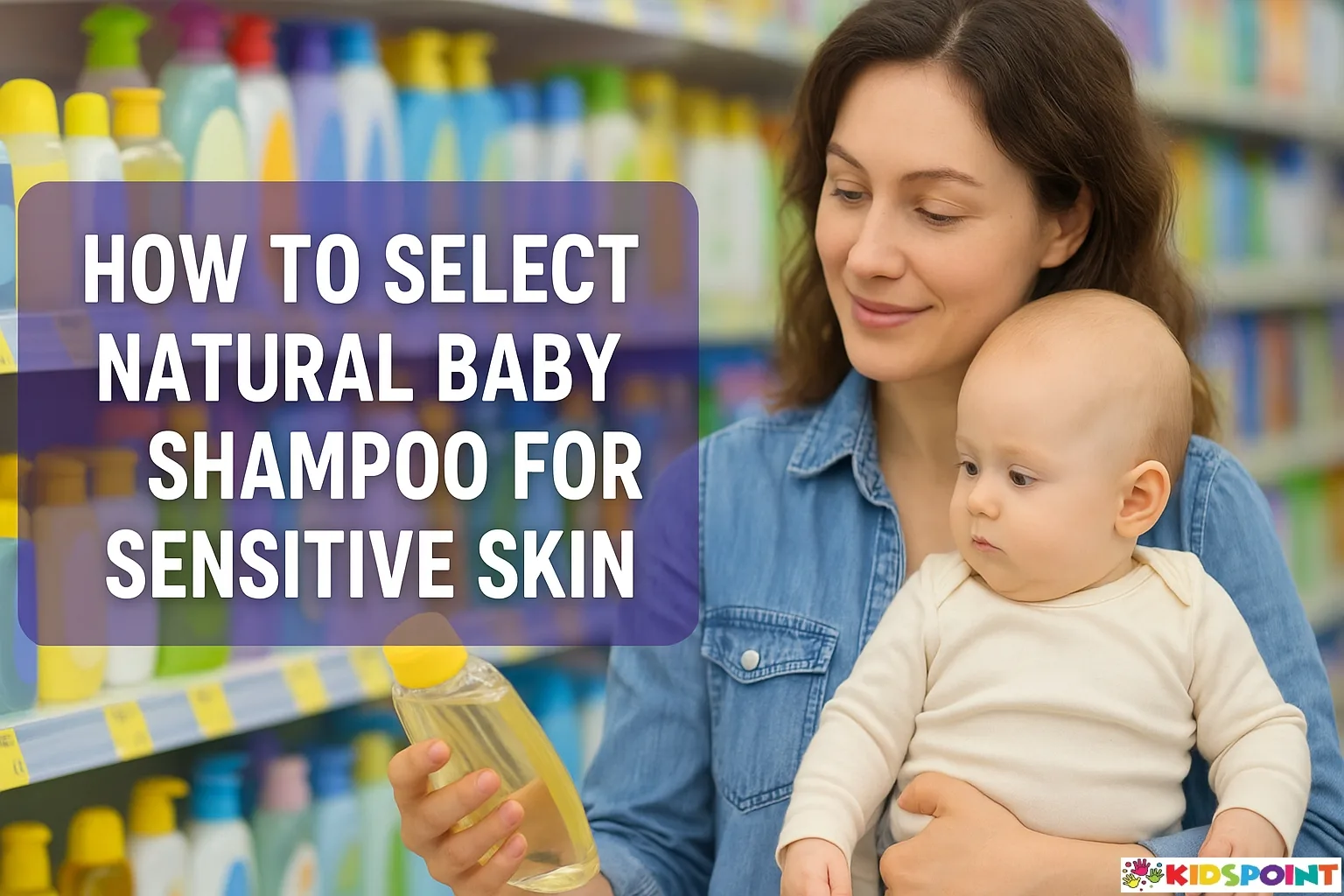
When it comes to caring for your little one, every parent wants the best for their child, especially when it comes to skincare. Babies have delicate, sensitive skin that is more prone to irritation than adult skin. The wrong products can lead to dryness, rashes, or even allergic reactions.
This is why choosing the right baby shampoo, particularly natural options for sensitive skin, is so important. At The Kids Point, we understand the need for safe, gentle, and effective products, and we’re here to guide you in making the best choices for your baby’s care.
Understanding Sensitive Baby Skin
Before selecting a natural baby shampoo, it’s essential to understand what makes baby skin sensitive.
- Thin and Delicate Skin: A newborn’s skin is about 30% thinner than adult skin, making it more prone to damage.
- Immature Barrier Function: Babies’ skin lacks the fully developed protective barrier that adults have, making it more susceptible to moisture loss, irritants, and allergens.
- Higher Absorption Rate: Chemicals in regular shampoos can penetrate more easily into a baby’s skin, potentially causing irritation or allergic reactions.
- Common Conditions: Many babies experience conditions such as cradle cap, eczema, or mild dermatitis, which require gentle cleansing products.
Understanding these factors helps parents prioritize shampoos that are mild, natural, and free of harsh chemicals.
Why Choose Natural Baby Shampoo?
The market is full of baby shampoos, but not all are created equal. Many conventional shampoos contain synthetic fragrances, sulfates, parabens, or harsh preservatives that may irritate sensitive skin. Natural baby shampoos are formulated with gentle, plant-based ingredients that clean without causing harm.
Benefits of natural baby shampoo include:
- Mild cleansing without stripping natural oils.
- Reduced risk of allergic reactions thanks to fewer synthetic chemicals.
- Soothing effect on the scalp, especially for babies prone to eczema or dryness.
- Environmental friendliness, as they often use biodegradable ingredients.
By opting for natural products, you are giving your baby the safest start while also promoting sustainable choices.
Key Ingredients to Look For
When selecting a natural baby shampoo, it’s important to check the ingredient list carefully. Here are some ingredients that are gentle and beneficial for sensitive baby skin:
Aloe Vera
Aloe vera is a natural moisturizer and soothing agent. It helps calm irritated skin and supports scalp hydration.
Chamomile
Chamomile has anti-inflammatory and calming properties, making it ideal for babies with delicate skin or scalp conditions.
Calendula
Known for its skin-healing properties, calendula can reduce redness and irritation.
Coconut-Derived Cleansers
Mild surfactants derived from coconut oil gently cleanse without stripping natural oils.
Oat Extract
Oats have soothing and anti-inflammatory properties, perfect for dry or itchy scalps.
Natural Oils (e.g., jojoba, almond, or olive oil)
These oils help moisturize and nourish the scalp while maintaining its natural protective barrier.
Ingredients to Avoid
Equally important is knowing which ingredients to avoid:
- Sulfates (SLS, SLES) – Can strip natural oils, causing dryness and irritation.
- Parabens – Preservatives that may trigger skin sensitivity.
- Synthetic Fragrances and Dyes – Often cause allergic reactions.
- Alcohols – Can dry out delicate baby skin.
- Formaldehyde Releasers – Found in some preservatives; may be irritating.
Checking labels carefully and choosing shampoos with short, recognizable ingredient lists is key to protecting sensitive skin.
Tips for Choosing the Right Shampoo
Selecting a natural baby shampoo for sensitive skin involves more than just reading labels. Here are practical tips to help you make the right choice:
Check for Dermatologist or Pediatrician Approval
Shampoos labeled as “dermatologist-tested” or “pediatrician-approved” are generally safer for sensitive skin.
Look for Tear-Free Formulas
A tear-free shampoo minimizes the risk of eye irritation during bath time, making the experience safer and more enjoyable for your baby.
Test for Allergies
Before regular use, perform a patch test on a small area of your baby’s skin to ensure there’s no reaction.
Avoid Over-Washing
Daily shampooing may not be necessary for babies with sensitive skin. Two to three times a week is often sufficient to prevent dryness.
Consider Hair and Scalp Needs
If your baby has cradle cap, dry scalp, or fine hair, select a shampoo that addresses these concerns without harsh chemicals.
How to Use Baby Shampoo Safely
Even the gentlest shampoo requires proper use to avoid irritation. Follow these steps for safe bath time:
- Prepare the Bath: Ensure the water is lukewarm, not hot.
- Use a Small Amount: A dime-sized amount of shampoo is usually enough.
- Gentle Application: Apply with your fingers, massaging lightly onto the scalp.
- Rinse Thoroughly: Leftover shampoo can irritate sensitive skin.
- Pat Dry: Use a soft towel and avoid vigorous rubbing.
Consistency in gentle bathing helps maintain healthy skin and prevents scalp problems.
Popular Natural Ingredients to Consider for Sensitive Babies
Here’s a closer look at some natural ingredients that are especially helpful:
Shea Butter
Moisturizes and softens hair while protecting the scalp.
Aloe Vera
Calms irritation and supports skin hydration.
Chamomile
Reduces redness and inflammation, making bath time soothing.
Coconut Oil
Natural cleanser and moisturizer that strengthens hair.
Calendula Extract
Promotes healing and reduces itchiness.
These ingredients not only clean but also nourish your baby’s scalp gently and effectively.
Understanding Labels and Certifications
Natural and organic labels can sometimes be confusing. Here’s what to look for:
- USDA Organic: Ingredients meet strict organic standards.
- ECOCERT: Confirms natural origin of ingredients.
- Hypoallergenic: Less likely to cause allergic reactions.
- Non-GMO: No genetically modified ingredients.
Reading labels carefully ensures that you’re buying a genuinely safe product for your baby.
The Role of Fragrance in Baby Shampoo
Fragrance is a major cause of irritation for sensitive skin. Consider these tips:
- Choose Fragrance-Free or Naturally Scented Products: Natural essential oils like lavender or chamomile are gentler than synthetic fragrances.
- Avoid Strong Scents: Strong fragrances may indicate the presence of chemicals that could irritate your baby’s scalp.
We recommend prioritizing gentle, subtle scents or fragrance-free options for maximum safety.
Recommended Routine for Sensitive Skin
Here’s a simple routine to care for sensitive baby skin and hair:
- Bathe 2–3 Times a Week: Excessive washing can strip natural oils.
- Use Lukewarm Water: Avoid hot water that dries the skin.
- Apply a Gentle Baby Shampoo: Focus on the scalp, not the entire body.
- Rinse Well: Residue can lead to irritation.
- Moisturize if Needed: Use a hypoallergenic baby lotion after bathing.
Consistency and gentle care go a long way in preventing irritation and dryness.
When to Seek Medical Advice
Even with the gentlest shampoo, some babies may still experience scalp issues. Consult a pediatrician if you notice:
- Persistent redness or rash
- Excessive dryness or flaking
- Signs of eczema or allergic reactions
- Crusty or thick patches on the scalp
Early intervention ensures your baby stays comfortable and healthy.
Top Tips for Parents
- Always read ingredient labels carefully.
- Opt for shampoos with plant-based ingredients.
- Avoid harsh chemicals and synthetic fragrances.
- Conduct a patch test before regular use.
- Keep bath time short and soothing.
- Store shampoos out of reach to prevent accidental ingestion.
By following these tips, parents can confidently select products that protect and nourish sensitive baby skin.
FAQs About Natural Baby Shampoo
Can natural baby shampoo be used daily?
For most babies with sensitive skin, shampooing 2–3 times a week is sufficient. Daily use may dry out the scalp.
Are tear-free shampoos really safe for sensitive skin?
Yes, tear-free shampoos are formulated to be gentle on the eyes and scalp, making them ideal for sensitive skin.
Is fragrance-free better than naturally scented shampoos?
Fragrance-free is safest for babies with highly sensitive skin. Mild natural scents from chamomile or lavender are usually safe but should be tested.
How can I tell if a baby shampoo is truly natural?
Check for certifications like USDA Organic or ECOCERT and look for recognizable plant-based ingredients with minimal synthetic additives.
What should I do if my baby’s scalp reacts to shampoo?
Stop using the product immediately, rinse thoroughly, and consult your pediatrician if irritation persists.
Conclusion: Gentle Care Starts With the Right Shampoo
Choosing the right natural baby shampoo for sensitive skin is a crucial step in protecting your baby’s delicate scalp and promoting healthy hair. Parents should prioritize plant-based ingredients, avoid harsh chemicals, and consider their baby’s specific scalp needs.
At The Kids Point, we emphasize safe, gentle, and effective products that nurture your baby while giving you peace of mind. By selecting a shampoo that soothes, cleanses, and protects, you are creating a foundation for healthy skin and hair for years to come.