

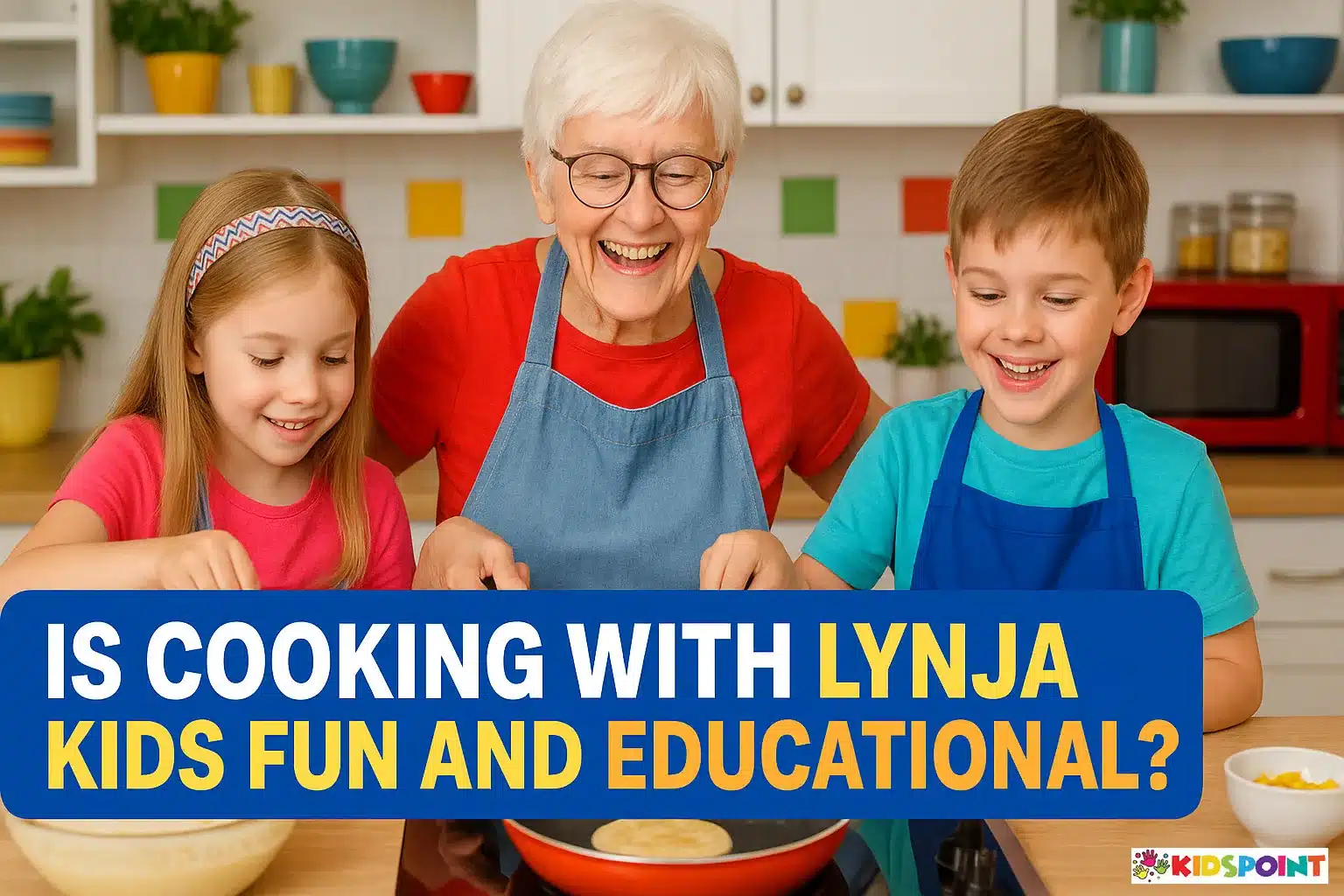
Cooking is more than just preparing meals—it’s an exciting way for children to explore creativity, develop essential life skills, and learn about nutrition. With the rise of interactive children’s cooking programs, Lynja Kids has become a popular choice for parents seeking a blend of fun and education in the kitchen. But the question remains: Is cooking with Lynja Kids truly fun and educational? At The Kids Point, we’ve explored every aspect of this innovative program to help parents understand its benefits and value for children.
What is Lynja Kids?
Lynja Kids is a dynamic platform designed to introduce children to the joy of cooking while simultaneously encouraging learning through hands-on experiences. Unlike traditional cooking classes, Lynja Kids focuses on interactive activities that engage young minds in problem-solving, teamwork, and creativity. The program includes age-appropriate recipes, video tutorials, and guided challenges that make cooking a rewarding adventure for children.
Lynja Kids caters to children of various age groups, typically from 3 to 12 years, providing activities that are safe, fun, and educational. Parents and caregivers appreciate that the program combines practical skills with elements of play, ensuring that children remain engaged and excited throughout the learning process.
How Cooking Enhances Child Development
Cooking is one of the most versatile educational tools for children. It is not just about mixing ingredients or following recipes—it is a holistic activity that touches on multiple areas of child development:
Cognitive Skills
Cooking involves measuring, counting, and understanding sequences, which help children enhance their math and logic skills. For example, when following a recipe, children learn about fractions, proportions, and basic arithmetic. Problem-solving also comes into play when they encounter unexpected challenges in the kitchen, such as adjusting a recipe or substituting ingredients.
Fine Motor Skills
Stirring, chopping (with safe knives), kneading dough, and decorating meals all contribute to the development of fine motor skills. These activities strengthen hand-eye coordination and dexterity, which are essential for writing, drawing, and other daily tasks.
Language and Literacy
Cooking provides opportunities for children to expand their vocabulary and improve literacy. Reading recipes, following instructions, and discussing ingredients encourages language development. Children also learn new words related to kitchen tools, foods, and cooking techniques.
Social and Emotional Skills
Cooking with Lynja Kids often involves teamwork and collaboration. Children learn to share, take turns, and work together toward a common goal. This fosters empathy, patience, and communication skills. Completing a dish successfully also builds self-confidence and a sense of accomplishment.
Creativity and Critical Thinking
The kitchen is a playground for creativity. Children can experiment with flavors, colors, and presentation. Lynja Kids encourages experimentation while teaching the importance of following instructions, helping children balance creativity with structure.
Healthy Eating Habits
Learning to cook allows children to understand nutritional value and the importance of healthy eating. Lynja Kids often emphasizes fruits, vegetables, and balanced meals, which can encourage lifelong healthy habits.
Why Lynja Kids Stands Out
Several aspects make Lynja Kids unique compared to other cooking programs for children:
Age-Appropriate Content
Every activity is carefully designed to match the child’s age and skill level. Younger children focus on simple tasks like washing fruits or stirring ingredients, while older kids can engage in more complex tasks like baking or preparing full meals.
Engaging Visual Tutorials
The program uses colorful, easy-to-follow videos that keep children engaged. The step-by-step demonstrations are designed to make learning fun and intuitive, which is especially important for visual learners.
Interactive Challenges and Rewards
Lynja Kids incorporates interactive challenges that motivate children to complete tasks and try new recipes. These challenges often include fun rewards, like badges or certificates, which reinforce learning and encourage continued participation.
Safe and Guided Learning
Safety is a priority. Lynja Kids teaches children kitchen safety rules, including proper handling of utensils, avoiding burns, and hygiene practices. Parents can supervise confidently, knowing that their children are learning in a safe environment.
Parental Involvement
The program encourages parents to participate in cooking sessions. This creates valuable bonding time, allows parents to guide their children, and reinforces the learning experience.
Fun Factor: Making Cooking Exciting
One of the most important aspects of any children’s program is whether it is enjoyable. Cooking with Lynja Kids is designed to be a playful experience rather than a chore.
- Hands-On Activities: Kids actively participate in every step of the cooking process. Mixing, decorating, and tasting keeps them engaged.
- Theme-Based Recipes: Lynja Kids often uses fun themes like “Animal Snacks” or “Rainbow Cakes,” which add excitement and creativity.
- Storytelling and Play: Recipes are sometimes integrated into storytelling or games, turning cooking into an adventure.
We have observed that children who cook with Lynja Kids are more eager to try new foods, experiment with ingredients, and even help with meal preparation at home.
Educational Benefits in Detail
Let’s delve deeper into the educational advantages of cooking with Lynja Kids:
Math and Measurement Skills
Children learn about weights, volumes, and temperatures through hands-on practice. For example, using a measuring cup or counting spoonfuls helps them understand practical applications of math concepts.
Science Experiments in the Kitchen
Cooking is a science lab in disguise. Observing how ingredients react—like yeast rising or chocolate melting—teaches cause and effect. Kids learn basic chemistry concepts naturally, sparking curiosity and critical thinking.
Cultural Awareness
Lynja Kids often includes international recipes, introducing children to foods from around the world. This fosters cultural awareness and appreciation, as kids learn about traditions, ingredients, and cooking methods from different cultures.
Responsibility and Independence
By preparing meals, children take ownership of their actions and understand the importance of responsibility. They learn to clean up, organize ingredients, and follow hygiene practices, which builds independence and life skills.
Emotional and Social Learning
Cooking provides a natural platform for children to practice patience, perseverance, and teamwork. Completing a recipe can boost self-esteem, while sharing dishes with family or friends promotes generosity and empathy.
Parents’ Perspective
Many parents have found cooking with Lynja Kids to be highly beneficial. Common feedback includes:
- Children are more willing to try new foods.
- Kids develop better focus and attention to detail.
- Family meals become more interactive and enjoyable.
- Cooking skills learned early translate into independence in later years.
Parents also appreciate the flexibility of Lynja Kids, allowing children to participate at their own pace, which reduces stress and increases enjoyment.
Practical Tips for Maximizing Fun and Learning
To get the most out of Lynja Kids, parents can follow these tips:
- Create a Safe Cooking Space: Ensure children have access to child-safe tools and a clear, uncluttered workspace.
- Encourage Exploration: Allow kids to experiment with ingredients, colors, and shapes. Mistakes are part of learning.
- Ask Questions: Engage children by asking about ingredients, flavors, and steps. This reinforces critical thinking.
- Celebrate Achievements: Praise effort and creativity, not just the final dish. Positive reinforcement boosts confidence.
- Integrate Learning: Use cooking as a way to teach math, science, and cultural lessons in real-world contexts.
Testimonials from Kids
Children themselves often describe cooking with Lynja Kids as fun, exciting, and adventurous. Common feedback includes:
- “I love making colorful cakes and decorating them with my friends!”
- “Cooking is like a science experiment, and I get to eat the results!”
- “I feel proud when I make something by myself.”
This enthusiasm demonstrates that Lynja Kids successfully blends fun with education, making the learning process enjoyable and memorable.
Comparing Lynja Kids to Other Programs
While there are many cooking programs available for children, Lynja Kids stands out due to:
- Its interactive and hands-on approach
- Age-appropriate challenges and content
- Emphasis on safety and parental guidance
- Integration of learning and play
Other programs may focus solely on cooking techniques or entertainment, but Lynja Kids combines both, ensuring children learn while having fun.
Common Questions About Lynja Kids Cooking
What age is suitable for Lynja Kids cooking classes?
Lynja Kids is ideal for children aged 3 to 12, with age-appropriate tasks for each group.
Is cooking with Lynja Kids safe for kids?
Yes! Lynja Kids emphasizes safety, child-friendly tools, and parental supervision during all activities.
Will my child learn anything educational from cooking?
Absolutely. Kids develop math, science, motor, language, and social skills while having fun in the kitchen.
Is Cooking with Lynja Kids Worth It?
Cooking with Lynja Kids is both fun and educational. The program encourages children to develop essential skills, such as math, science, creativity, social skills, and independence, all while enjoying themselves in a safe, supportive environment. Parents can be confident that their children are not only learning practical life skills but also developing habits that promote healthy eating, confidence, and curiosity.
At The Kids Point, we highly recommend Lynja Kids for parents seeking a holistic, engaging, and educational cooking experience for their children. By combining learning and play, Lynja Kids transforms the kitchen into a dynamic classroom where children can explore, experiment, and enjoy every step of the culinary adventure.
Cooking is not just about meals—it’s about building skills, memories, and confidence. With Lynja Kids, children gain more than culinary knowledge—they gain tools for lifelong learning and creativity.