

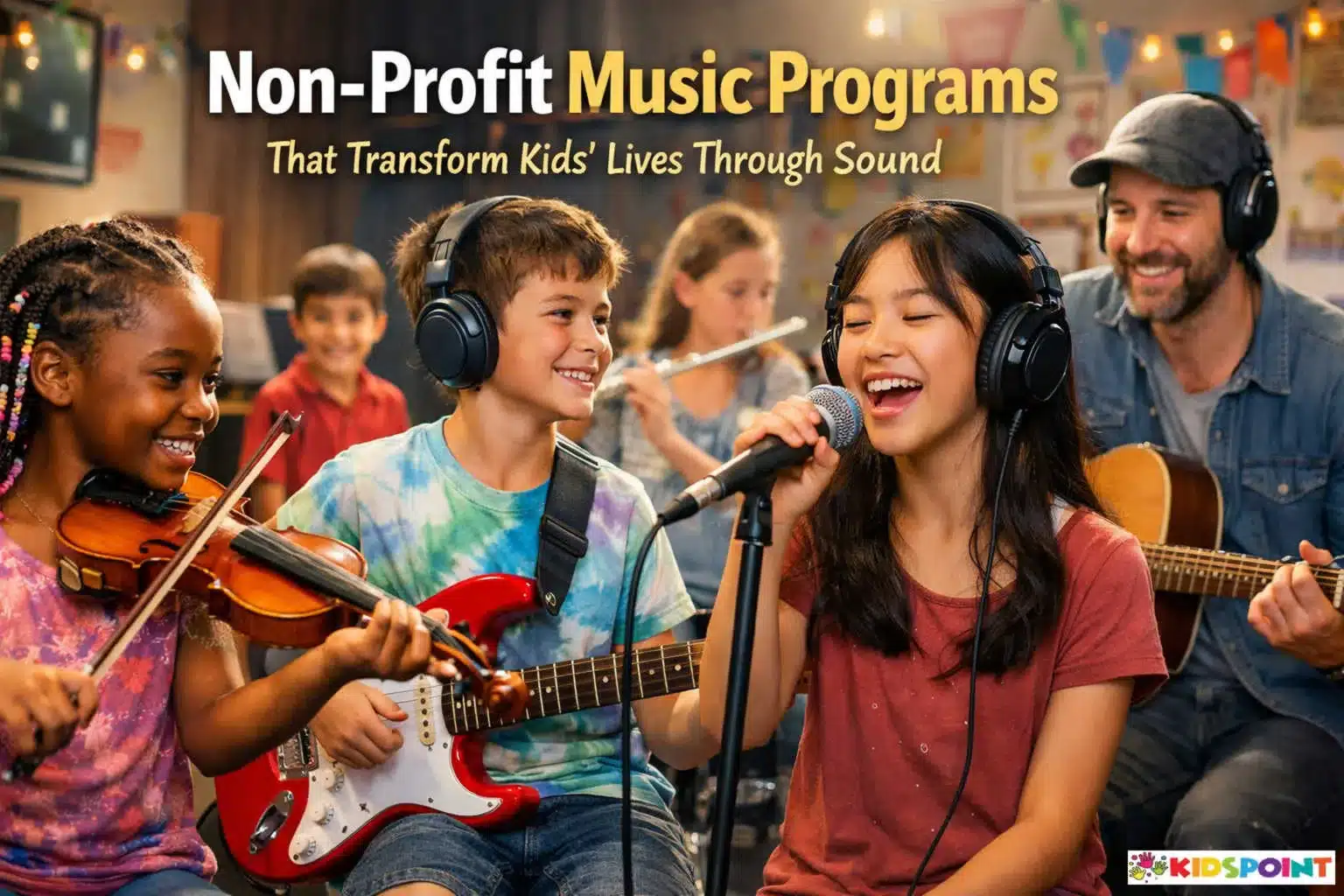
Music has a remarkable ability to inspire, heal, and connect people across cultures and generations. For children, especially those from underserved communities, access to music education can be life-changing. However, many families cannot afford private lessons, instruments, or formal training. This is where non-profit music programs step in—bridging the gap and creating opportunities that extend far beyond melodies and rhythms.
At The Kids Point, we believe every child deserves the chance to explore their creative potential. Non-profit music programs are not just about learning to play an instrument; they foster confidence, discipline, emotional growth, and community belonging. In this comprehensive guide, we’ll explore how these programs work, why they matter, and how they continue to transform young lives through the power of sound.
The Importance of Music in Child Development
Before diving into non-profit initiatives, it’s important to understand why music education is so impactful for children.
Cognitive Benefits
Learning music stimulates multiple areas of the brain. Children who engage in music education often show improved memory, attention span, and problem-solving skills. Reading musical notes and coordinating hand movements enhances both analytical and motor skills.
Emotional Growth
Music allows children to express feelings they may not yet have words for. Whether it’s joy, frustration, or excitement, playing or listening to music becomes a safe emotional outlet.
Social Skills
Group music activities, such as orchestras or choirs, teach teamwork, communication, and empathy. Kids learn to listen to others, follow direction, and collaborate toward a shared goal.
Academic Improvement
Studies consistently show that students involved in music perform better academically. Skills like discipline and focus often transfer to subjects like math and reading.
What Are Non-Profit Music Programs?
Non-profit music programs are organizations dedicated to providing accessible music education to children regardless of their financial background. These programs often offer:
- Free or low-cost lessons
- Access to musical instruments
- Group classes and performances
- Mentorship from professional musicians
- Safe, supportive learning environments
Their mission goes beyond teaching music—they aim to create positive life experiences and long-term personal development.
How Non-Profit Music Programs Transform Lives
Breaking Financial Barriers
One of the biggest challenges in music education is affordability. Instruments, lessons, and materials can be expensive. Non-profit programs remove these barriers by offering resources at little to no cost.
For many children, this is their first opportunity to explore music. Without these programs, their talent might remain undiscovered.
Building Confidence and Self-Esteem
When a child learns to play a song or perform in front of an audience, it creates a sense of achievement. These small victories build confidence that extends into other areas of life.
Children who may struggle academically or socially often find a new identity through music. They begin to see themselves as capable and talented individuals.
Providing Safe and Supportive Environments
Non-profit music programs often serve communities where children may face challenges such as poverty, violence, or lack of resources. These programs offer a safe space where kids can focus on creativity and personal growth.
Having a positive environment with supportive mentors can make a significant difference in a child’s life.
Encouraging Discipline and Responsibility
Learning music requires practice, patience, and commitment. Children develop discipline by regularly attending lessons and practicing their instruments.
They also learn responsibility—taking care of instruments, showing up on time, and working toward performance goals.
Creating Opportunities for the Future
Many non-profit music programs provide pathways to scholarships, advanced training, and even careers in music. Some students go on to join professional orchestras, become music teachers, or pursue higher education in the arts.
Even for those who don’t choose music as a career, the skills they gain—confidence, teamwork, and perseverance—are invaluable.
Types of Non-Profit Music Programs
Non-profit music initiatives come in various forms, each catering to different needs and communities.
Community Music Schools
These programs operate locally, offering lessons and group classes. They often partner with schools and community centers to reach more children.
Youth Orchestras and Bands
Focused on group performance, these programs teach children how to play together in harmony. They often organize concerts and community events.
After-School Programs
Designed for convenience, these programs provide music education after school hours. They help keep children engaged in positive activities during critical hours.
Outreach and Mobile Programs
Some organizations bring music education directly to underserved areas through mobile classrooms or traveling instructors.
Specialized Programs
These programs focus on specific groups, such as children with disabilities, refugees, or at-risk youth, ensuring inclusivity and accessibility.
Real-Life Impact Stories
From Silence to Self-Expression
Many children enter music programs shy or withdrawn. Over time, they begin to express themselves through their instruments. A quiet child might become a confident performer, discovering a voice they never knew they had.
Turning Challenges into Strength
Children facing difficult circumstances often find solace in music. It becomes a tool for coping and resilience, helping them navigate life’s challenges with greater strength.
Building Lifelong Friendships
Music programs bring together children from diverse backgrounds. Through shared experiences, they build friendships that last a lifetime.
The Role of Mentors and Teachers
Behind every successful music program are dedicated mentors and teachers. These individuals play a crucial role in shaping children’s experiences.
Guidance and Inspiration
Teachers not only provide technical instruction but also inspire students to dream bigger. They act as role models, showing what dedication and passion can achieve.
Emotional Support
Many mentors go beyond teaching music—they provide encouragement, listen to concerns, and help children navigate personal challenges.
Creating a Positive Learning Culture
A supportive teacher can make all the difference. When children feel valued and encouraged, they are more likely to stay engaged and succeed.
The Power of Performance
Performing is a key component of many non-profit music programs.
Boosting Confidence
Standing on stage and performing in front of an audience is a powerful confidence-building experience.
Celebrating Progress
Performances allow children to showcase what they’ve learned, giving them a sense of accomplishment.
Strengthening Community Connections
Concerts and events bring families and communities together, creating a shared sense of pride and celebration.
Challenges Faced by Non-Profit Music Programs
While these programs are incredibly impactful, they also face several challenges.
Funding Limitations
Non-profits rely heavily on donations, grants, and volunteers. Limited funding can restrict the number of children they can serve.
Access to Instruments
Providing and maintaining instruments can be costly. Programs often depend on donations or partnerships to meet this need.
Staffing and Resources
Finding qualified teachers and volunteers can be challenging, especially in underserved areas.
Sustainability
Ensuring long-term success requires consistent support and strategic planning.
How Communities Can Support These Programs
Non-profit music programs thrive when communities come together to support them.
Donations
Financial contributions help cover costs such as instruments, facilities, and staff salaries.
Volunteering
Individuals can offer their time as mentors, teachers, or event organizers.
Instrument Donations
Donating unused instruments can make a huge difference for children in need.
Advocacy
Raising awareness about the importance of music education can help attract more support and funding.
How Parents Can Get Involved
Parents play a vital role in maximizing the benefits of music programs.
Encourage Practice
Regular practice helps children improve and stay engaged.
Attend Performances
Showing support by attending concerts boosts children’s confidence and motivation.
Communicate with Teachers
Staying connected with instructors ensures that children receive the guidance they need.
Create a Positive Environment
Encouraging creativity and celebrating progress helps children develop a lifelong love for music.
The Future of Non-Profit Music Programs
As technology and innovation continue to evolve, non-profit music programs are finding new ways to expand their reach.
Online Learning
Virtual lessons and digital platforms make music education more accessible, especially for remote communities.
Partnerships with Schools
Collaborations with educational institutions help integrate music into standard curricula.
Global Reach
Some programs are expanding internationally, bringing music education to children around the world.
Inclusive Approaches
There is a growing focus on inclusivity, ensuring that children of all abilities and backgrounds can participate.
Why Music Matters More Than Ever
In today’s fast-paced, technology-driven world, children often face increased stress and limited opportunities for creative expression. Music provides a much-needed balance.
It encourages mindfulness, reduces stress, and fosters emotional well-being. Non-profit music programs ensure that these benefits are accessible to all children, regardless of their circumstances.
Frequently Asked Questions
What are non-profit music programs for kids?
Non-profit music programs provide free or low-cost music education, instruments, and mentorship to children, especially those from underserved communities.
How do music programs benefit children?
They improve cognitive skills, boost confidence, encourage creativity, and help develop social and emotional abilities.
Do kids need prior experience to join?
No, most programs welcome beginners and provide step-by-step guidance for children with no musical background.
How are these programs funded?
They rely on donations, grants, sponsorships, and community support to operate and provide resources.
How can parents enroll their children?
Parents can search for local programs, contact community centers or schools, or visit organization websites to apply.
Final Thoughts
Non-profit music programs are powerful agents of change. They do more than teach children how to play instruments—they shape character, build confidence, and open doors to new possibilities.
At The Kids Point, we celebrate the transformative power of music and the organizations that make it accessible to every child. By supporting and promoting these programs, we can help create a world where every child has the opportunity to discover their voice through sound.