

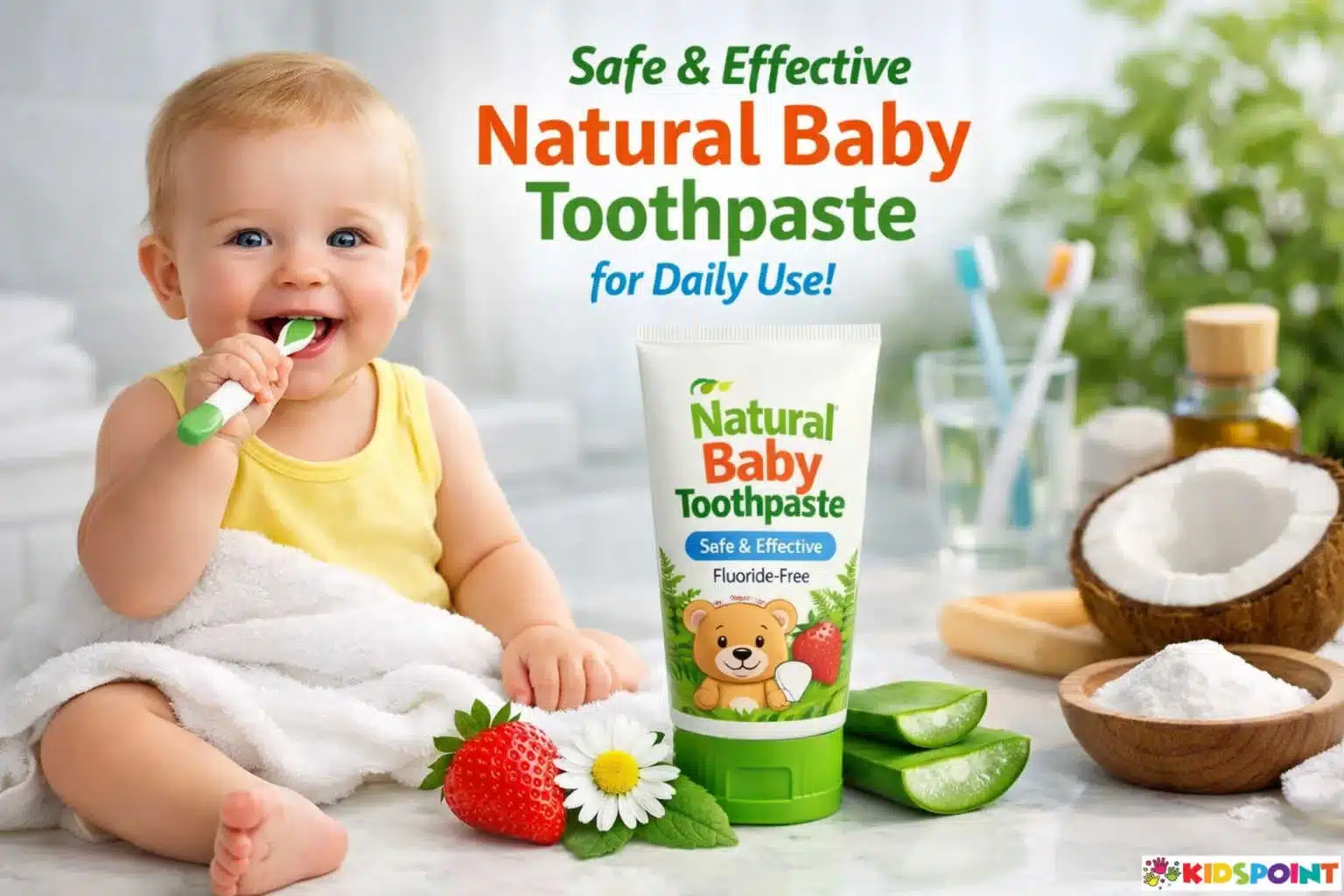
Taking care of a baby’s oral health is one of the most important responsibilities for parents. Even before children learn to speak or walk, their dental health begins to develop. Many parents wonder when to start brushing their baby’s teeth and what kind of toothpaste is safe for daily use. Natural baby toothpaste has become a popular option because it focuses on gentle ingredients, mild flavors, and safe formulas designed specifically for infants and toddlers.
Choosing the right toothpaste is not only about cleaning teeth—it is about protecting delicate gums, preventing cavities, and creating healthy brushing habits early in life. In this guide from The Kids Point, we will explore everything parents need to know about safe and effective natural baby toothpaste, including ingredients, benefits, usage tips, and how to choose the best option for everyday dental care.
Why Baby Oral Care Is Important
Many parents assume baby teeth are temporary and therefore not very important. However, baby teeth play a critical role in a child’s development. They help children chew food properly, speak clearly, and guide permanent teeth into the correct position.
Dental experts recommend beginning oral care as soon as the first tooth appears, usually around six months of age. Establishing a brushing routine early helps prevent tooth decay and promotes healthy habits that can last a lifetime.
Without proper care, even baby teeth can develop cavities. Tooth decay in young children can cause pain, difficulty eating, and potential issues with permanent teeth later in life. For this reason, selecting a gentle and safe toothpaste specifically designed for babies is essential.
What Makes Natural Baby Toothpaste Different?
Natural baby toothpaste differs from regular adult toothpaste in several important ways. Babies are still learning how to spit, and most of the toothpaste used during brushing may be swallowed. Therefore, baby toothpaste is usually formulated with safer ingredients and milder flavors.
Most natural baby toothpastes are designed to be:
- Safe if accidentally swallowed
- Free from harsh chemicals
- Gentle on delicate gums
- Mildly flavored to suit babies
- Low-foam or foam-free formulas
Unlike adult toothpaste, which often contains strong mint flavors and powerful cleaning agents, baby toothpaste focuses on gentle care that protects developing teeth.
Safe Ingredients Found in Natural Baby Toothpaste
When choosing natural toothpaste for babies, it is important to look for safe and beneficial ingredients. High-quality natural formulas typically include mild components that help clean teeth without causing irritation.
Xylitol
A natural sweetener derived from plants, xylitol helps reduce harmful bacteria in the mouth and supports saliva production, which naturally cleans teeth.
Aloe Vera
Aloe vera is known for its soothing and anti-inflammatory properties. It helps calm irritated gums, especially during teething.
Coconut Oil
Coconut oil has natural antibacterial qualities and gently cleans teeth while supporting oral hygiene.
Hydrated Silica
This is a mild abrasive that removes plaque and food particles without damaging delicate enamel.
Plant Extracts
Ingredients like chamomile and calendula are often added to soothe sensitive gums and provide additional antibacterial benefits.
Ingredients Parents Should Avoid
Not all toothpaste labeled “natural” is completely safe. Some products may still contain chemicals or additives that are not ideal for babies. Parents should carefully read labels and avoid ingredients that could irritate a child’s mouth.
Common ingredients to avoid include:
Sodium Lauryl Sulfate (SLS)
A foaming agent that can cause mouth irritation and discomfort.
Artificial Dyes
These provide no dental benefit and may cause sensitivity in some children.
Harsh Abrasives
Strong abrasives can damage delicate baby tooth enamel.
Parabens and Preservatives
Many parents prefer to avoid these chemicals in baby products.
Strong Essential Oils
Some essential oils may be too intense for infants and can irritate sensitive gums.
Choosing a toothpaste free from these ingredients ensures a safer brushing experience.
Fluoride vs. Fluoride-Free Toothpaste
One of the most common questions parents ask is whether natural baby toothpaste should contain fluoride.
Fluoride is a mineral that helps strengthen tooth enamel and prevent cavities. Many dental professionals recommend fluoride toothpaste because of its effectiveness in protecting teeth.
However, babies tend to swallow toothpaste, which is why many baby formulas are fluoride-free. Swallowing large amounts of fluoride may cause stomach discomfort or lead to mild discoloration of teeth.
Because of this, parents often choose fluoride-free toothpaste during infancy and introduce fluoride toothpaste later with professional guidance.
General recommendations:
- 0–2 years: Fluoride-free toothpaste is commonly used
- 2–6 years: Low-fluoride toothpaste may be introduced with supervision
It is always best to consult a pediatric dentist to determine what is most suitable for your child.
Benefits of Using Natural Baby Toothpaste
Natural baby toothpaste offers several advantages that make it ideal for daily use.
Gentle on Sensitive Gums
Babies’ gums are delicate, and natural ingredients help clean without causing irritation.
Safe if Swallowed
Since babies cannot spit yet, these formulas are designed to be safe in small amounts.
Encourages Early Brushing Habits
Mild and pleasant flavors make brushing more enjoyable, helping build positive habits.
Free From Harsh Chemicals
Natural formulas avoid unnecessary additives, offering peace of mind for parents.
Supports Healthy Teeth Development
They help remove plaque and protect enamel, supporting strong and healthy teeth.
How to Use Baby Toothpaste Properly
Using toothpaste correctly is essential for effective oral care.
Start When the First Tooth Appears
Begin brushing when your baby’s first tooth emerges, usually around six months.
Use a Very Small Amount
Apply a smear of toothpaste about the size of a grain of rice.
Brush Twice a Day
Morning and bedtime brushing help maintain cleanliness and reduce bacteria.
Use a Soft Baby Toothbrush
Choose a toothbrush with soft bristles designed for infants.
Supervise Brushing
Parents should assist or perform brushing until children can do it properly on their own.
Signs You Have Chosen the Right Toothpaste
A good baby toothpaste should:
- Be gentle and safe for daily use
- Contain mild, baby-friendly flavors
- Be free from harmful chemicals
- Include safe and natural ingredients
- Clearly indicate age suitability
These features help ensure that your baby’s oral care routine is both safe and effective.
Tips to Make Brushing Fun for Babies
Some babies resist brushing at first, but a few simple strategies can make it enjoyable:
- Sing a fun song during brushing
- Let your baby hold their toothbrush
- Brush your teeth together
- Use colorful and soft toothbrushes
- Offer praise after brushing
Making brushing a positive experience encourages consistency.
When to Visit a Pediatric Dentist
Early dental visits are important for maintaining healthy teeth. Babies should see a dentist when their first tooth appears or by their first birthday.
Regular checkups help:
- Monitor dental development
- Detect early signs of problems
- Provide guidance on oral care
- Ensure proper brushing techniques
These visits support long-term dental health.
Natural Toothpaste and Teething Support
Teething can cause discomfort, including sore gums and irritability. Some natural baby toothpastes include soothing ingredients that can help ease this discomfort.
Ingredients like aloe vera and chamomile provide gentle relief and keep the mouth clean during teething. While toothpaste cannot completely relieve pain, it can support comfort and hygiene.
Building Healthy Oral Habits Early
Developing good oral hygiene habits early is essential for lifelong dental health. Regular brushing, proper toothpaste use, and routine dental visits all contribute to strong teeth and gums.
Parents play a key role by setting an example and creating consistent routines. When brushing becomes a normal part of daily life, children are more likely to maintain healthy habits as they grow.
Common Questions Parents Ask About Baby Toothpaste
When should I start using toothpaste for my baby?
You should start using a small amount of toothpaste as soon as your baby’s first tooth appears, usually around six months of age.
Is natural baby toothpaste safe if swallowed?
Yes, most natural baby toothpastes are specially designed to be safe if swallowed in small amounts.
Should I choose fluoride or fluoride-free toothpaste for my baby?
Fluoride-free toothpaste is commonly used for babies, but it’s best to consult a dentist for personalized advice.
How much toothpaste should I use for my baby?
Use only a tiny smear, about the size of a grain of rice, for safe and effective cleaning.
What ingredients should I avoid in baby toothpaste?
Avoid harmful ingredients like SLS, artificial dyes, parabens, and strong essential oils that may irritate your baby’s mouth.
Final Thoughts
Choosing safe and effective natural baby toothpaste for daily use is an important step in protecting your child’s dental health. With gentle ingredients, safe formulas, and mild flavors, natural toothpaste provides a comfortable and effective way to care for babies’ teeth.
By selecting the right toothpaste, maintaining a consistent brushing routine, and seeking professional guidance when needed, parents can ensure their child’s smile stays healthy and bright.
At The Kids Point, we believe that strong oral care habits begin early. With the right approach and the right products, every child can grow up with a confident and healthy smile.