

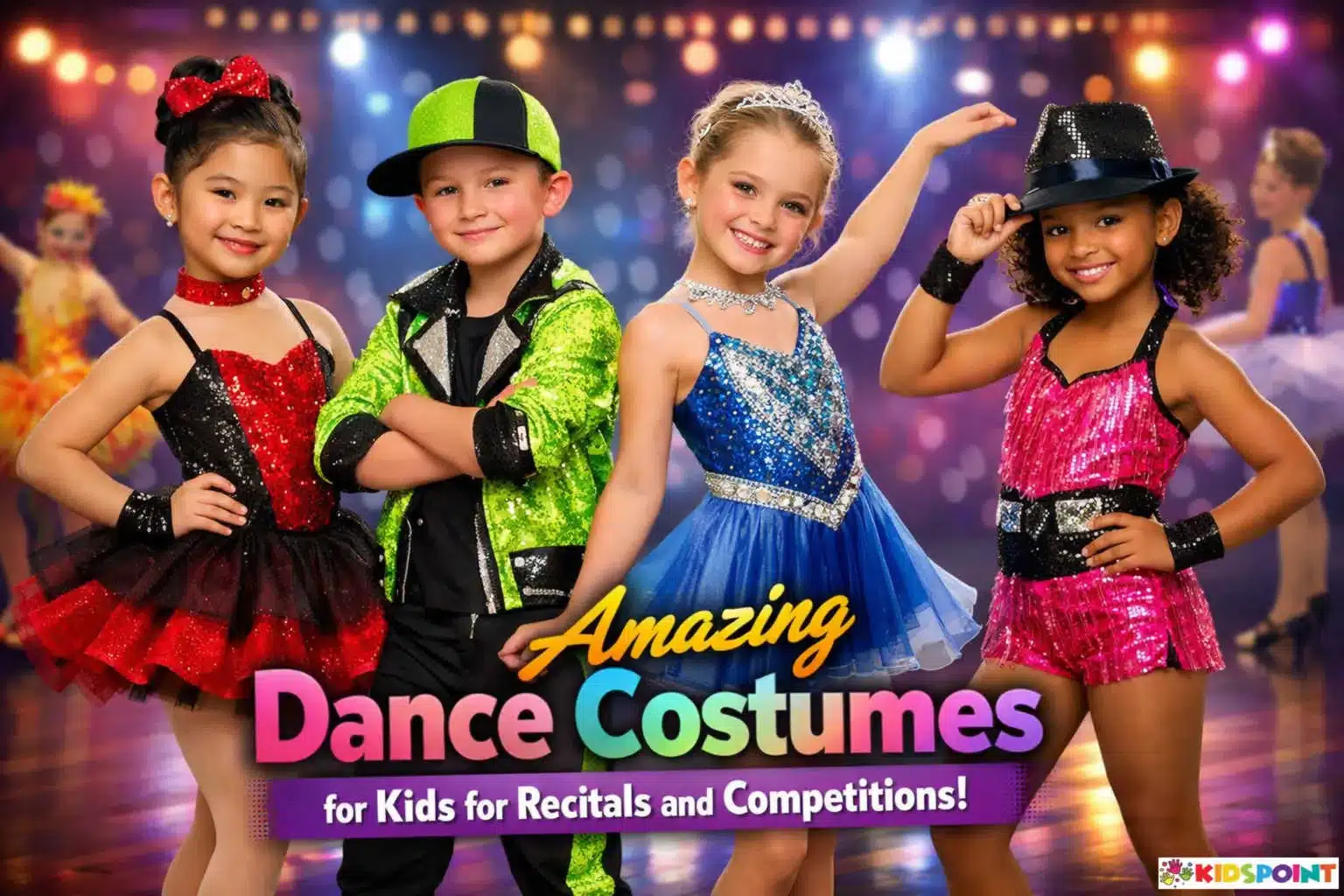
Dance is a wonderful way for children to express themselves, build confidence, and develop creativity. Whether performing in a school recital, a dance studio showcase, or a competitive stage event, the right costume can make a big difference in how young dancers feel and perform. A well-designed dance costume helps children feel confident, comfortable, and excited about stepping onto the stage.
Choosing the perfect outfit for a dance performance involves more than just picking something colorful. Dance costumes should be comfortable, safe, easy to move in, and appropriate for the dance style. From ballet tutus to hip-hop outfits, there are many costume options that help kids shine during recitals and competitions.
At The Kids Point, we believe that dance costumes should combine creativity, comfort, and fun. In this guide, we will explore the importance of dance costumes, popular styles for different dance genres, tips for choosing the right costume, and ideas that make young performers look and feel amazing on stage.
Why Dance Costumes Matter for Kids
Dance costumes play a significant role in performances. They are not just decorative outfits—they help bring the dance story and style to life.
Boosts Confidence
When children wear a beautiful and well-fitted costume, they often feel more confident performing in front of an audience. A great costume makes kids feel like real performers.
Enhances the Theme of the Dance
Many dance routines follow a theme or story. Costumes help visually communicate that theme to the audience.
Creates a Professional Look
Uniform costumes help group performances look organized and professional. Matching outfits make the dancers appear coordinated and polished.
Improves Stage Presence
Bright colors, sparkling fabrics, and flowing designs help dancers stand out under stage lights, making movements more visible and expressive.
We encourage parents and teachers to select costumes that support both the artistic and practical needs of young dancers.
Popular Types of Dance Costumes for Kids
Different dance styles require different types of costumes. Each style has its own unique design, fabric, and accessories.
Ballet Costumes
Ballet is one of the most graceful dance forms, and its costumes reflect elegance and beauty.
Common ballet costume elements include:
- Tutus with layered tulle skirts
- Leotards with soft fabrics
- Ballet tights
- Ballet slippers
- Hair accessories like tiaras or ribbons
Classic ballet costumes are often pastel-colored such as pink, white, or lavender. For competitions or stage performances, they may include glitter, sequins, or decorative embroidery.
Hip-Hop Dance Costumes
Hip-hop dance requires energetic movements and bold style. The costumes are usually comfortable and stylish.
Typical hip-hop costume items include:
- Baggy pants or joggers
- Graphic t-shirts or crop tops
- Hoodies or jackets
- Sneakers
- Caps or headbands
Bright colors, street-style designs, and sporty fabrics make hip-hop costumes exciting for kids.
Jazz Dance Costumes
Jazz dance costumes are vibrant and energetic, matching the lively nature of the dance style.
Popular jazz costume ideas include:
- Sparkly leotards
- Fringe dresses
- Sequined tops
- Shorts with decorative belts
- Dance tights
Fringe and sparkles are commonly used because they emphasize quick movements and spins during performances.
Tap Dance Costumes
Tap dance focuses on rhythmic footwork, so costumes often highlight the dancer’s legs and feet.
Common tap costume features:
- Dressy tops or jackets
- Shorts, skirts, or fitted pants
- Tap shoes
- Bow ties or suspenders
Classic tap costumes sometimes take inspiration from vintage stage styles, giving them a charming and timeless look.
Cultural and Traditional Dance Costumes
Many children perform traditional or cultural dances during festivals or competitions. These costumes reflect cultural heritage and storytelling.
Examples include:
- Bright folk dance dresses
- Traditional embroidered outfits
- Cultural accessories like scarves or jewelry
These costumes often feature vibrant patterns, handmade designs, and meaningful cultural elements.
We appreciate how traditional dance costumes allow children to celebrate cultural diversity and history.
Important Features of Great Dance Costumes for Kids
When selecting dance costumes, several factors should be considered to ensure they are suitable for young performers.
Comfort and Fit
Comfort is essential for any dance costume. Kids should be able to move, stretch, jump, and spin without feeling restricted.
A good costume should:
- Fit properly without being too tight
- Allow full body movement
- Use soft and breathable fabrics
Durability
Dance performances involve a lot of movement. Costumes should be strong enough to handle rehearsals and multiple performances.
Durable fabrics like spandex blends and polyester are often used because they stretch easily and maintain shape.
Easy to Wear
Quick costume changes are common in dance shows. Costumes that are easy to put on and remove save time and reduce stress backstage.
Look for features like:
- Zippers
- Elastic waistbands
- Adjustable straps
Safety
Safety should always be a priority. Avoid costumes with loose pieces that could cause tripping or discomfort during movement.
Tips for Choosing the Perfect Dance Costume
Parents and dance instructors often work together to select the best costume for kids. Here are some helpful tips.
Match the Costume to the Dance Style
Each dance genre has specific costume traditions. Make sure the outfit reflects the dance style being performed.
Consider the Child’s Comfort
Children should always feel comfortable and confident in their costumes. If they feel uneasy or restricted, it may affect their performance.
Choose Stage-Friendly Colors
Bright colors and sparkling fabrics look great under stage lighting and help dancers stand out.
Check Costume Quality
High-quality stitching and strong fabric ensure the costume lasts through rehearsals and performances.
Involve Kids in the Selection
Allowing children to help choose their costume can increase their excitement and confidence for the performance.
We encourage parents to balance style and comfort when selecting dance outfits.
Accessories That Complete Dance Costumes
Accessories play an important role in completing a dance costume. The right accessories can enhance the overall look and make the performance more memorable.
Hair Accessories
Hairpieces such as bows, flowers, tiaras, or headbands add a decorative touch to dance costumes.
Jewelry
Lightweight stage jewelry like bracelets or necklaces can enhance certain dance styles, especially jazz or cultural dances.
Props
Some dance routines include props like ribbons, scarves, hats, or canes that add excitement to performances.
Stage Makeup
For competitions and recitals, light stage makeup helps highlight facial expressions so the audience can see emotions clearly from a distance.
Caring for Dance Costumes
Dance costumes often need proper care to maintain their beauty and quality.
Gentle Washing
Many dance costumes require hand washing or gentle machine cycles to protect delicate fabrics.
Proper Storage
Store costumes in garment bags to keep them clean and wrinkle-free.
Avoid Excess Heat
High heat can damage fabrics like spandex or sequins. Air drying is often the best option.
Repair Quickly
Small tears or loose decorations should be fixed immediately to prevent further damage.
Proper care ensures that costumes stay in great condition for future performances.
Making Dance Performances Extra Special for Kids
Dance recitals and competitions are exciting milestones for young performers. A supportive environment helps children enjoy the experience even more.
Parents and teachers can support kids by:
- Encouraging regular practice
- Celebrating effort rather than perfection
- Taking photos and videos of performances
- Helping kids prepare costumes ahead of time
These small steps make performances memorable and enjoyable for children.
We believe that dance activities help children grow in confidence, creativity, and teamwork.
Encouraging Kids to Express Themselves Through Dance
Dance is not only about performance—it is also about self-expression. When children wear costumes that reflect their personality and dance style, they feel more connected to their performance.
Dance costumes can inspire kids to:
- Show creativity
- Build stage confidence
- Express emotions through movement
- Develop a love for performing arts
Supporting kids in dance activities encourages lifelong appreciation for art and physical activity.
Common Questions About Dance Costumes for Kids
How do I choose the right dance costume for my child?
Select a costume that matches the dance style, fits comfortably, and allows free movement for performing.
Are dance costumes suitable for competitions and recitals?
Yes, the right costume enhances stage presence, highlights movements, and helps children feel confident during performances.
How can I make sure a costume is comfortable for kids?
Look for soft, stretchy fabrics, proper sizing, and designs that allow kids to move, jump, and spin easily.
What accessories should I consider for a dance costume?
Hairpieces, lightweight jewelry, props, and stage-appropriate shoes complete the costume and add flair to the performance.
How should I care for my child’s dance costume?
Hand wash or use gentle machine cycles, air dry, store in garment bags, and repair any loose decorations promptly.
Final Thoughts on Dance Costumes for Kids
Dance costumes are an important part of every recital and competition. They help young performers feel confident, enhance the storytelling of a dance routine, and create a visually exciting stage experience. From elegant ballet tutus to energetic hip-hop outfits, the right costume allows kids to shine while performing.
Parents and teachers should focus on choosing costumes that are comfortable, durable, and appropriate for the dance style. With the right outfit, accessories, and preparation, kids can step onto the stage feeling proud and excited.
At The Kids Point, we believe that every child deserves the chance to experience the joy of dance and performance. The right dance costume can turn a simple routine into a magical moment that children will remember for years to come.