

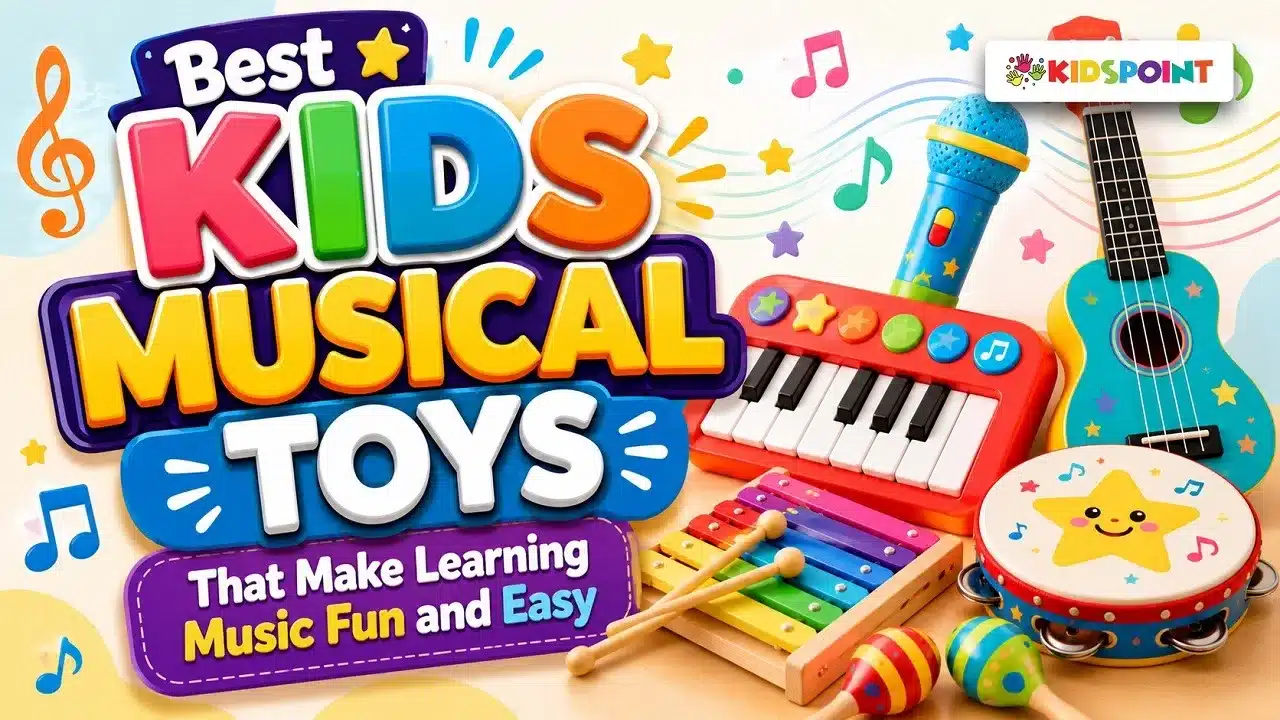
Music plays a powerful role in early childhood development, helping children improve memory, creativity, coordination, and emotional expression. In today’s digital world, parents are increasingly searching for engaging and meaningful ways to introduce sound and rhythm to their children. This is where kids musical toys come in as an ideal learning tool.
From simple percussion instruments to interactive electronic keyboards, kids musical toys are designed to make learning music fun, engaging, and educational at the same time. These toys not only entertain but also support cognitive development, language skills, and motor coordination. In this article, we will explore the best educational musical toys for kids, their benefits, how to choose the right ones, and expert tips to encourage musical learning at home.
Whether you are a parent of a toddler, preschooler, or early school-age child, this guide will help you choose the most suitable musical instruments for kids to spark a lifelong love of music.
Why Kids Musical Toys Are Essential for Early Development
Kids musical toys are more than just fun play items. They are powerful developmental tools that help shape a child’s brain during the most critical years of growth. Research in early childhood education shows that exposure to music improves neural connections, enhances language acquisition, and strengthens emotional intelligence.
When children interact with sounds, beats, and rhythms, they naturally begin to develop listening skills and pattern recognition. This is especially important in the USA, where early learning programs emphasize STEAM education (Science, Technology, Engineering, Arts, and Mathematics).
Key developmental benefits include:
- Improved memory and concentration
- Better hand-eye coordination
- Enhanced language and speech development
- Stronger emotional expression
- Increased creativity and imagination
In addition, kids musical toys encourage independent play as well as group interaction, helping children develop social skills. Instruments like mini drums, xylophones, and toy pianos allow kids to experiment freely with sound, building confidence in a natural and enjoyable way.
Types of Educational Musical Toys for Kids
There are many different types of educational musical toys for kids available today, each designed to suit different age groups and learning stages. Understanding these categories can help parents make better purchasing decisions.
Percussion toys are among the most popular options. These include tambourines, maracas, bongos, and hand drums. They help children understand rhythm and timing in a simple and interactive way.
Keyboard-based toys, such as mini pianos and electronic keyboards, introduce children to melodies and notes. Many modern versions come with light-up keys and learning modes that make music theory easy for beginners.
String-based toy instruments, like small guitars or ukuleles, allow kids to explore pitch and tone variation. These are ideal for slightly older children who can handle more coordination.
Wind instruments, such as toy flutes or recorders, help develop breath control and lung strength while introducing melody creation.
Popular categories include:
- Percussion instruments for rhythm learning
- Keyboard toys for melody and harmony
- String toys for coordination and finger strength
- Wind instruments for breath control and sound exploration
Each category of kids musical toys plays a unique role in building a well-rounded musical foundation.
Benefits of Musical Instruments for Kids
Introducing musical instruments for kids at an early age offers a wide range of cognitive, emotional, and physical benefits. These toys are not just entertainment tools but structured learning aids that support holistic development.
One of the biggest benefits is improved cognitive development. Studies show that children who engage with music regularly perform better in memory-based tasks and problem-solving activities. Music also helps strengthen mathematical thinking through rhythm and patterns.
Another important benefit is emotional growth. Music allows children to express feelings that they may not yet have words for. This improves emotional intelligence and helps reduce stress and anxiety in young learners.
Physical development is also enhanced. Playing musical toys requires coordination between hands, eyes, and sometimes feet, improving fine motor skills and dexterity.
Additional benefits include:
- Strengthened auditory processing skills
- Better focus and patience
- Improved social interaction in group play
- Increased self-confidence through performance and creativity
Parents who invest in kids musical toys often notice their children becoming more expressive, attentive, and curious about learning new things.
How to Choose the Best Kids Musical Toys
Selecting the right kids musical toys requires careful consideration of age, safety, educational value, and durability. Not all toys are created equal, and choosing wisely ensures a better learning experience for your child.
First, consider the child’s age. Toddlers benefit from simple, colorful toys with basic sounds, while older children may enjoy more complex instruments like keyboards or string toys.
Safety is another critical factor. Always choose toys made from non-toxic materials with smooth edges and strong construction. Avoid small detachable parts for younger children to prevent choking hazards.
Educational value should also guide your decision. Look for toys that teach rhythm, melody, or coordination instead of just producing random sounds.
Important factors to consider:
- Age-appropriate design and complexity
- Safe and durable materials
- Clear sound quality
- Educational features like learning modes or song guides
- Portability and ease of use
Finally, consider your child’s interest. Some children may prefer drums, while others are drawn to piano-style instruments. Observing their natural curiosity will help you select the most engaging musical toys.
Top Kids Musical Toys for Different Age Groups
Choosing the right musical toys based on age ensures better engagement and faster learning. Here are some expert recommendations for different developmental stages.
For toddlers aged 1 to 3 years, simple instruments like baby drums, rattles, and xylophones are ideal. These toys focus on sensory exploration and basic sound recognition.
For preschoolers aged 3 to 5 years, interactive keyboards, mini guitars, and drum sets work best. These toys introduce rhythm, melody, and coordination in a playful way.
For kids aged 5 to 8 years, more advanced educational musical toys for kids such as electronic keyboards with learning modes, ukuleles, and beginner percussion kits are recommended. These help children understand structured musical concepts.
Age-based suggestions:
- Ages 1–3: Rattles, baby drums, soft xylophones
- Ages 3–5: Toy pianos, maracas, beginner drum kits
- Ages 5–8: Keyboards, ukuleles, advanced rhythm sets
Selecting age-appropriate kids musical toys ensures steady learning progress and keeps children motivated.
Tips to Encourage Kids to Learn Music at Home
Encouraging children to explore music at home can make a huge difference in their learning journey. Parents play a key role in building a positive musical environment.
Start by making music a part of daily routines. Play songs during playtime, cleaning, or bedtime to create familiarity with rhythm and melody. Encourage your child to experiment freely with their musical toys without fear of making mistakes.
Another effective method is to play together. Family jam sessions can make learning more enjoyable and strengthen bonding. You can also introduce simple challenges like clapping rhythms or repeating melodies.
Helpful tips include:
- Set aside daily music playtime
- Encourage free exploration of sounds
- Join your child in musical activities
- Praise creativity instead of perfection
- Use educational videos or songs for learning support
Consistency is key. The more children interact with kids musical toys, the more confident and skilled they become over time.
Frequently Asked Questions (FAQs)
What are the best kids musical toys for beginners?
Simple instruments like xylophones, mini drums, and toy pianos are best for beginners as they help develop basic rhythm and sound recognition.
At what age should children start using musical toys?
Children can start using kids musical toys as early as 1 year old with safe, sensory-based instruments designed for toddlers.
Do musical toys really help with brain development?
Yes, studies show that educational musical toys for kids improve memory, language skills, coordination, and cognitive development.
How do I choose safe musical toys for my child?
Always check for non-toxic materials, age-appropriate design, and strong build quality to ensure safety.
Can musical toys improve academic performance?
Yes, children who regularly use musical instruments for kids often show better focus, math skills, and reading comprehension.
Kids musical toys are an excellent way to combine fun and learning while supporting a child’s overall development. From improving cognitive abilities to enhancing creativity and emotional expression, these toys provide long-term educational value.
By choosing the right educational musical toys for kids and encouraging consistent practice at home, parents can help their children build a strong foundation in music and learning. Whether your child enjoys drums, keyboards, or string instruments, the key is to keep the experience fun and engaging.
At The Kids Point, we are committed to helping parents discover the best learning tools for their children. Explore more educational resources and ideas at The Kids Point and start your child’s musical journey today.