

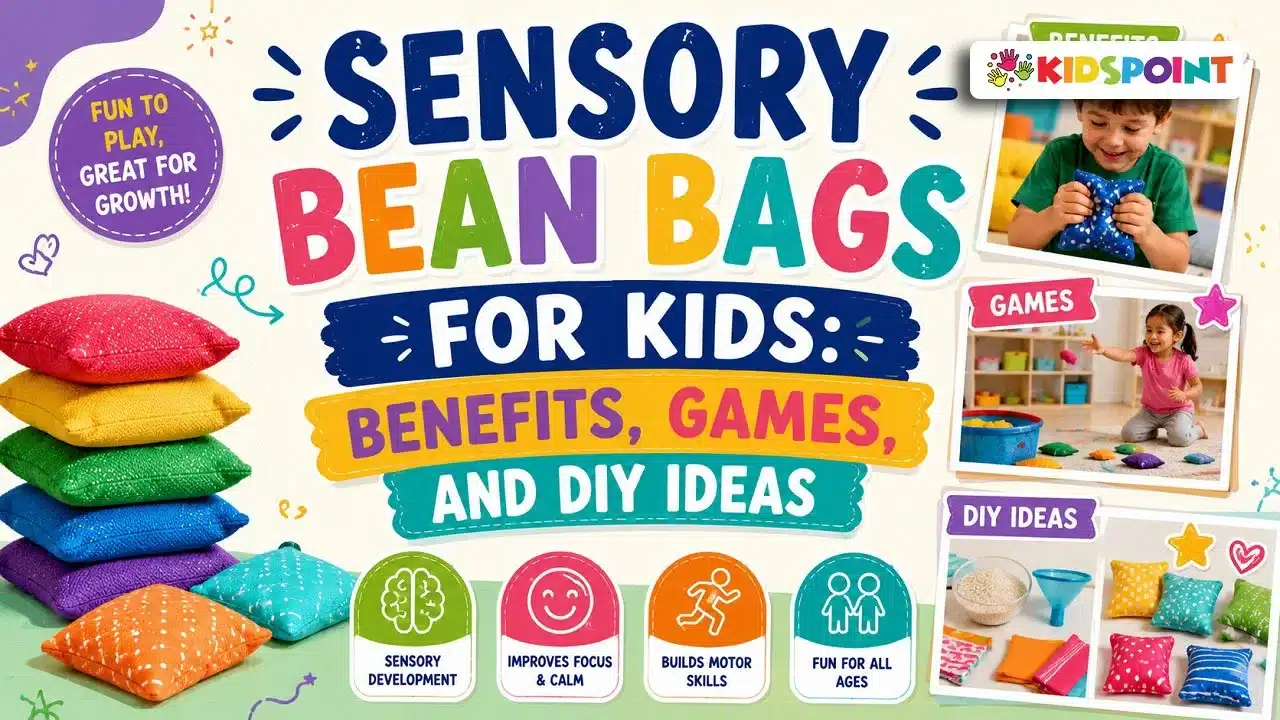
Sensory bean bags for kids are becoming an essential tool in early childhood development, offering a fun and interactive way to enhance sensory learning. These simple yet powerful tools help children improve coordination, focus, and emotional regulation through playful activities. In this article, we will explore everything about sensory bean bags for kids, including their benefits, creative games, and easy do-it-yourself ideas that parents and educators can use at home or in classrooms.
Whether you are a parent, preschool teacher, or caregiver, understanding how kids bean bags support sensory development can help you create more engaging learning experiences. Let’s dive into why bean bags for kids are more than just toys.
What Are Sensory Bean Bags for Kids?
Sensory bean bags for kids are small, soft pouches filled with materials such as beans, rice, sand, or beads. They are designed to provide tactile stimulation, helping children explore different textures and improve sensory awareness.
Unlike regular toys, these bean bags for kids are specifically used in sensory play activities that support developmental milestones. They can be thrown, caught, squeezed, or balanced, making them versatile tools for both structured learning and free play.
Key features include:
- Lightweight and easy to handle
- Filled with different textures for sensory variation
- Safe for indoor and outdoor activities
- Suitable for preschool and early elementary ages
These simple tools are widely used in occupational therapy and preschool education due to their proven developmental benefits.
Benefits of Sensory Bean Bags for Kids
Sensory bean bags for kids offer a wide range of developmental advantages. They are not just entertaining; they play a crucial role in physical, cognitive, and emotional growth.
Improves Fine and Gross Motor Skills
When children throw, catch, or balance bean bags, they naturally develop coordination and motor control. These movements strengthen hand-eye coordination and muscle control, which are essential for writing and daily tasks.
Enhances Sensory Processing
Kids with sensory processing challenges benefit greatly from tactile play. The different textures inside kids bean bags help children understand and respond to sensory input more effectively.
Boosts Focus and Attention
Engaging with sensory bean bags requires concentration, helping children improve their attention span. This is especially helpful in classroom environments where focus is essential.
Encourages Emotional Regulation
Soft and repetitive sensory play can have a calming effect on children. Bean bags help reduce anxiety and improve emotional stability through structured play activities.
Supports Cognitive Development
Games involving colors, numbers, or patterns using bean bags for kids encourage early learning and problem-solving skills.
Fun Sensory Bean Bags Games for Kids
Using sensory bean bags for kids in games makes learning enjoyable and interactive. These activities can be adapted for different age groups and learning levels.
Bean Bag Toss Target Game
Create targets using paper plates or hoops and assign points. Children throw bean bags and try to hit the target.
Benefits:
- Improves aiming skills
- Encourages counting and math learning
Color Matching Game
Use colored bean bags and matching colored bowls or mats. Kids must match each bean bag to the correct color.
Benefits:
- Enhances color recognition
- Builds decision-making skills
Balance Challenge
Ask children to balance a bean bag on their head or shoulder while walking a short distance.
Benefits:
- Develops body awareness
- Improves balance and posture
Memory Recall Game
Place several bean bags in a sequence, let the child observe, then remove one and ask them to identify the missing color or object.
Benefits:
- Strengthens memory skills
- Encourages concentration
Relay Race with Bean Bags
Divide children into teams where they carry bean bags from one point to another without dropping them.
Benefits:
- Builds teamwork
- Improves coordination and agility
DIY Sensory Bean Bags for Kids at Home
Creating sensory bean bags for kids at home is simple, cost-effective, and customizable. Parents can involve children in the process to make it even more engaging.
Materials Needed
- Fabric pieces (cotton or felt)
- Rice, beans, lentils, or plastic pellets
- Needle and thread or sewing machine
- Scissors
- Funnel (optional)
Step-by-Step Guide
- Cut fabric into equal square pieces
- Place two pieces together and sew three sides
- Fill the pouch with chosen sensory material
- Sew the final side securely
- Test for durability and safety
Creative DIY Ideas
- Use different textures like silk, denim, and fleece
- Add small bells for auditory stimulation
- Create themed bean bags (animals, letters, numbers)
- Use waterproof fabric for outdoor play
DIY bean bags for kids allow customization based on a child’s sensory needs and preferences.
Educational Uses of Sensory Bean Bags
Sensory bean bags for kids are widely used in classrooms and therapy sessions. Teachers and therapists use them to support structured learning activities.
Classroom Learning Activities
- Teaching numbers and counting
- Alphabet recognition games
- Group interaction exercises
Special Education Support
Children with autism or ADHD benefit from sensory-based learning tools. Bean bags help them stay engaged and reduce overstimulation.
Physical Education Activities
In PE classes, bean bags are used to improve coordination, balance, and teamwork skills.
These applications make sensory bean bags a valuable educational resource across multiple learning environments.
How Sensory Bean Bags Support Child Development
Sensory bean bags for kids play a significant role in early childhood development by supporting multiple learning domains.
- Physical development through movement and coordination
- Cognitive growth through games and problem-solving
- Social development through group play
- Emotional development through calming sensory input
Experts in child development emphasize that sensory play is essential for brain development during early years. According to early education research, sensory-based learning can improve memory retention and learning outcomes in young children.
Safety Tips for Using Bean Bags for Kids
While sensory bean bags for kids are generally safe, supervision and proper usage are important.
- Always check for secure stitching
- Use non-toxic filling materials
- Avoid small loose parts for younger children
- Inspect regularly for damage
- Choose age-appropriate sizes
These precautions ensure safe and enjoyable play experiences.
Frequently Asked Questions (FAQs)
What are sensory bean bags for kids used for?
Sensory bean bags for kids are used to improve motor skills, sensory processing, focus, and coordination through interactive play.
Are bean bags safe for toddlers?
Yes, bean bags for kids are safe for toddlers when made with secure stitching and non-toxic materials under adult supervision.
What materials are best for DIY sensory bean bags?
Common materials include rice, beans, lentils, plastic pellets, and soft fabrics like cotton or fleece.
How do sensory bean bags help children with autism?
They provide calming sensory input, improve focus, and support emotional regulation in structured play environments.
Can sensory bean bags be used in classrooms?
Yes, teachers use bean bags for kids in classrooms for learning games, physical activities, and sensory development exercises.
Sensory bean bags for kids are more than just simple toys. They are powerful educational tools that support physical, cognitive, emotional, and social development. From improving motor skills to enhancing focus and creativity, these versatile bean bags for kids play a vital role in early childhood learning.
Whether used at home, in classrooms, or therapy sessions, they provide endless opportunities for fun and growth. Parents and educators looking for engaging sensory tools can easily incorporate these activities into daily routines.
At The Kids Point, we are committed to supporting child development through creative, educational, and engaging resources designed for modern learning needs.