

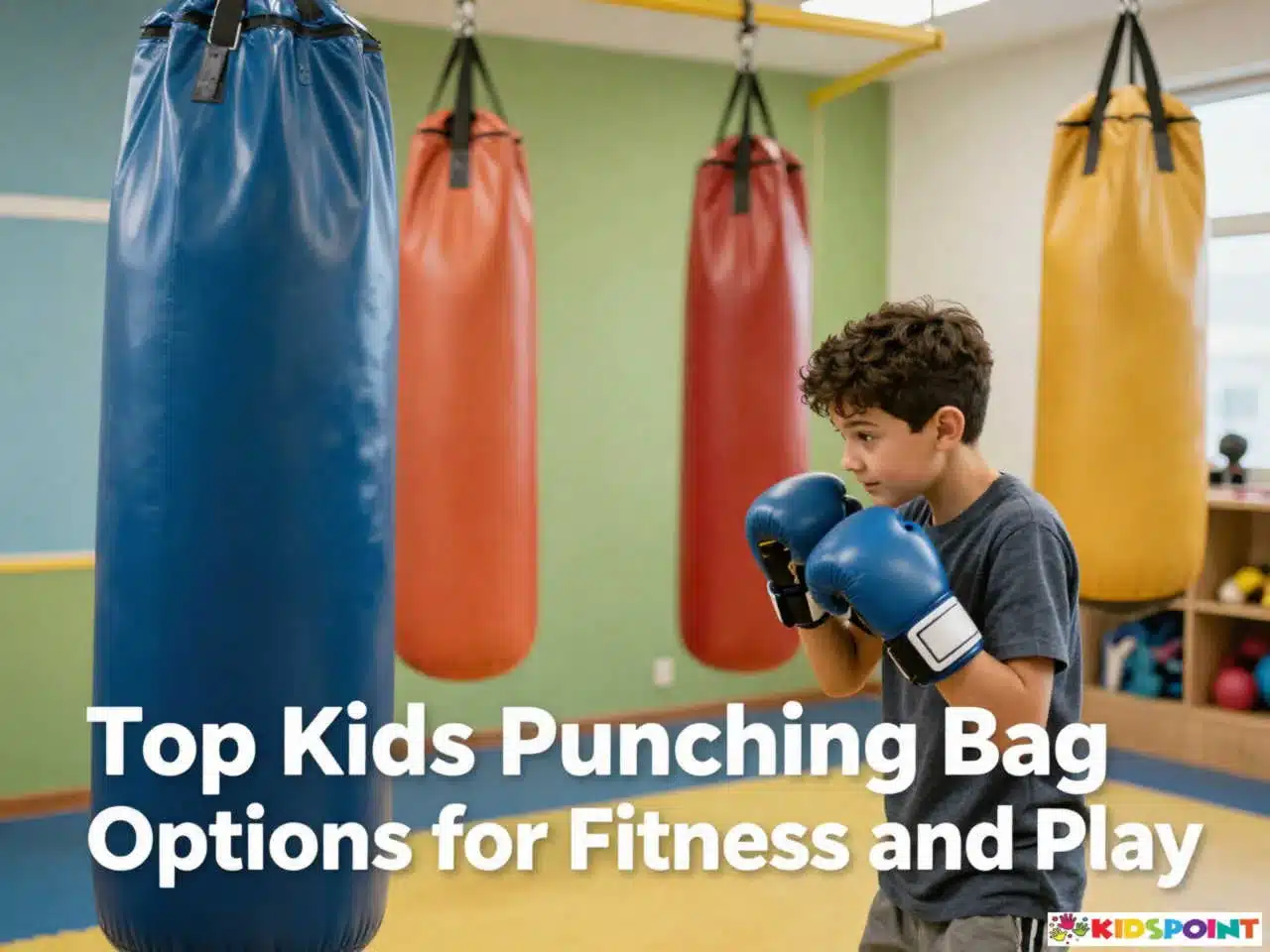
Children need fun and engaging ways to stay active, build confidence, and develop healthy habits. While team sports and outdoor games are excellent choices, a kids punching bag is another exciting option that combines exercise with entertainment. It helps children improve coordination, balance, strength, and focus while giving them a safe outlet for their energy.
Whether your child dreams of becoming a martial artist, enjoys active play, or simply needs a fun indoor activity, choosing the right punching bag can make all the difference. With many styles available, parents often wonder which one is best for their child’s age, skill level, and available space.
In this comprehensive guide, The Kids Point explores the top kids punching bag options, their benefits, essential features to consider, safety tips, and how to choose the perfect model for your family.
Why Kids Benefit from Using a Punching Bag
A punching bag is much more than a toy. It offers physical, mental, and emotional benefits that help children grow healthier and happier.
Some of the biggest advantages include:
- Encourages regular physical activity
- Improves hand-eye coordination
- Develops balance and agility
- Builds strength and endurance
- Boosts self-confidence
- Supports emotional stress relief
- Enhances focus and concentration
- Promotes discipline and self-control
Unlike passive screen time, punching bag workouts keep children moving while making exercise enjoyable.
How Punching Bags Support Child Development
Children naturally enjoy activities that involve movement. Punching, kicking (when appropriate), and practicing simple combinations help develop important motor skills.
As they practice, they learn:
- Better body control
- Faster reaction times
- Improved rhythm
- Greater coordination
- Increased flexibility
- Enhanced cardiovascular fitness
These skills benefit children in many other sports, including soccer, basketball, gymnastics, martial arts, tennis, and swimming.
Types of Kids Punching Bags
Understanding the different types makes shopping much easier.
Freestanding Punching Bags
Freestanding punching bags have a weighted base filled with sand or water.
Benefits include:
- Easy to install
- No ceiling mounting
- Portable
- Suitable for home use
- Great for beginners
These are among the most popular choices for families.
Hanging Punching Bags
Traditional hanging bags attach to a ceiling mount or heavy-duty stand.
Advantages include:
- More realistic boxing experience
- Better swing movement
- Excellent for older children
- Durable for longer training sessions
However, they require proper installation and enough ceiling support.
Inflatable Punching Bags
Inflatable bags are lightweight and bounce back after every hit.
Parents appreciate them because they are:
- Affordable
- Soft
- Safe for younger children
- Easy to store
- Colorful and attractive
They work best for ages 3–7.
Boxing Set with Stand
Many beginner boxing sets include:
- Adjustable punching bag
- Boxing gloves
- Spring-loaded stand
- Base for stability
These complete sets are ideal for introducing children to boxing.
Reflex Punching Balls
Reflex trainers use a spring-mounted ball that quickly bounces back.
Benefits include:
- Improves reaction speed
- Builds coordination
- Enhances timing
- Provides fast-paced workouts
Older children often enjoy these as they become more experienced.
Top Kids Punching Bag Options
Here are some of the best categories to consider.
Adjustable Boxing Sets
These grow with your child by allowing height adjustments.
Ideal for:
- Ages 5–12
- Beginners
- Indoor exercise
- Skill development
Parents appreciate the longer lifespan before children outgrow the equipment.
Inflatable Animal Punching Bags
Animal-themed inflatable bags make exercise fun.
Popular designs include:
- Dinosaurs
- Tigers
- Superheroes
- Robots
- Cartoon characters
These encourage imaginative play while promoting physical activity.
Heavy-Duty Freestanding Bags
These feature stronger construction and durable materials.
Perfect for:
- Older children
- Martial arts practice
- Regular workouts
- Family fitness sessions
Many include reinforced stitching and shock-absorbing foam.
Junior Boxing Training Sets
Complete training kits often include:
- Punching bag
- Boxing gloves
- Air pump
- Base
- Instruction manual
These offer excellent value for parents buying their child’s first boxing equipment.
Speed Ball Trainers
Children interested in boxing techniques may enjoy speed trainers.
They improve:
- Punch accuracy
- Timing
- Reflexes
- Endurance
Older kids especially enjoy the challenge.
Best Age Groups for Kids Punching Bags
Choosing the right punching bag depends largely on age.
Ages 3–5
Recommended options:
- Inflatable bags
- Soft foam bags
- Lightweight boxing toys
Focus on fun rather than technique.
Ages 6–9
Children can begin using:
- Adjustable boxing stands
- Freestanding bags
- Beginner boxing sets
Adult supervision remains important.
Ages 10–14
Older kids may safely use:
- Hanging bags
- Heavier freestanding bags
- Reflex trainers
- Junior martial arts equipment
These provide more realistic training experiences.
Features to Look For
Not all punching bags are created equal.
Important features include:
Height Adjustment
An adjustable stand ensures the equipment grows alongside your child.
Soft Padding
Quality foam reduces impact and protects young hands.
Durable Materials
Look for:
- PVC leather
- Reinforced vinyl
- High-density foam
- Heavy-duty stitching
These last longer under repeated use.
Stable Base
A sturdy base prevents tipping during energetic workouts.
Water-filled and sand-filled bases usually provide excellent stability.
Included Gloves
Many beginner sets include padded gloves designed specifically for children.
Proper gloves improve both comfort and safety.
Safety Tips for Parents
Safety should always come first.
Teach children to:
- Wear gloves
- Warm up before exercising
- Avoid hitting too hard initially
- Maintain proper posture
- Take breaks
- Stay hydrated
Always supervise younger children during play.
Indoor Benefits
Kids punching bags work especially well indoors.
Advantages include:
- Exercise during rainy weather
- Screen-free entertainment
- Convenient daily workouts
- Family fitness opportunities
- Reduced boredom
Parents appreciate having an active option available at home year-round.
Outdoor Fun
Some freestanding punching bags are designed for outdoor use.
These are excellent for:
- Backyard play
- Family fitness sessions
- Summer activities
- Birthday parties
- Neighborhood games
Always store inflatable equipment indoors when not in use.
Physical Health Benefits
Regular punching bag workouts improve overall fitness.
Children may experience:
- Better cardiovascular health
- Increased muscle endurance
- Stronger core muscles
- Improved flexibility
- Better posture
- Healthier body weight
Just 20–30 minutes of active play several times a week can make a noticeable difference.
Mental and Emotional Benefits
Physical exercise positively affects emotional well-being.
Punching bag play helps children:
- Release extra energy
- Manage frustration
- Improve patience
- Build resilience
- Increase confidence
- Reduce stress
Many children feel calmer and more focused after active exercise.
Building Confidence Through Boxing Practice
As children master new combinations and improve their skills, they naturally develop greater confidence.
They begin to understand:
- Consistent practice leads to improvement.
- Challenges become easier over time.
- Hard work produces results.
- Mistakes are opportunities to learn.
These valuable lessons extend beyond fitness into school and everyday life.
Creating a Fun Home Workout Routine
Parents can turn punching bag practice into an enjoyable daily routine.
Example:
- 5-minute warm-up
- 10 minutes of punching practice
- 5 minutes of movement games
- 5 minutes of stretching
Adding music makes workouts even more enjoyable.
Fun Punching Bag Games
Instead of repetitive punching, try engaging games.
Ideas include:
- Count your punches
- Follow-the-leader drills
- Color target challenges
- Punch-and-jump exercises
- Timed boxing rounds
- Family fitness competitions
Keeping activities playful encourages children to stay motivated.
How to Choose the Right Kids Punching Bag
Consider several factors before purchasing.
Child’s Age
Choose equipment designed specifically for your child’s developmental stage.
Available Space
Measure your workout area.
Freestanding bags require floor space, while hanging bags need ceiling clearance.
Skill Level
Beginners benefit from softer equipment.
More experienced children can gradually transition to sturdier training bags.
Budget
Excellent options exist at various price points.
More expensive models often offer:
- Better durability
- Higher-quality materials
- Greater stability
- Longer lifespan
Choose the option that best fits your family’s needs.
Common Mistakes Parents Should Avoid
Avoid these common purchasing mistakes:
- Buying an adult-sized punching bag
- Ignoring weight recommendations
- Skipping boxing gloves
- Choosing unstable bases
- Allowing unsupervised use
- Focusing only on appearance instead of quality
Selecting age-appropriate equipment ensures a safer and more enjoyable experience.
Maintaining a Kids Punching Bag
Proper care extends the life of the equipment.
Maintenance tips include:
- Wipe surfaces regularly
- Check seams for wear
- Tighten loose parts
- Refill bases if necessary
- Store indoors when possible
- Keep inflatable bags properly inflated
Regular inspections help identify small issues before they become larger problems.
Encouraging Healthy Fitness Habits
Children who enjoy active play are more likely to remain physically active as they grow.
Parents can encourage long-term habits by:
- Exercising together
- Setting achievable goals
- Celebrating progress
- Keeping sessions fun
- Rotating activities
- Praising effort instead of perfection
A punching bag becomes more than exercise equipment—it becomes part of a healthy lifestyle.
Why Families Love Kids Punching Bags
Parents often choose punching bags because they combine learning and fun.
Children enjoy:
- Pretend boxing games
- Practicing new moves
- Friendly family competitions
- Daily challenges
- Active indoor entertainment
Meanwhile, parents appreciate seeing their children stay active while developing confidence, coordination, and self-discipline.
Frequently Asked Questions
What age is suitable for a kids punching bag?
Most inflatable punching bags are suitable for children aged 3 years and older, while adjustable boxing sets and freestanding bags are ideal for ages 5–12. Older children can safely use heavier training bags designed for juniors.
Are kids punching bags safe?
Yes. When children use age-appropriate equipment, wear boxing gloves, and are supervised by an adult, punching bags are generally safe and provide excellent physical exercise.
Do kids need boxing gloves with a punching bag?
Yes. Properly padded boxing gloves help protect young hands and wrists while improving comfort and reducing the risk of minor injuries.
Can punching bags help children stay active indoors?
Absolutely. Kids punching bags provide an excellent indoor workout, helping children burn energy, improve coordination, and reduce screen time regardless of the weather.
Which type of punching bag is best for beginners?
Adjustable freestanding boxing sets and inflatable punching bags are excellent beginner options because they are easy to use, safe, portable, and suitable for developing basic boxing skills.
A kids punching bag is an excellent investment in your child’s physical fitness, emotional well-being, and active lifestyle. Whether you choose an inflatable model for preschoolers, an adjustable boxing stand for beginners, or a durable freestanding bag for older children, the right equipment can provide years of healthy fun.
Beyond improving strength and coordination, punching bags teach perseverance, discipline, and confidence through engaging play. With proper supervision, age-appropriate equipment, and regular practice, children can enjoy safe workouts that support their overall development.
At The Kids Point, we believe that encouraging active play is one of the best ways to help children grow stronger, healthier, and happier. A well-chosen kids punching bag offers an exciting combination of fitness, skill-building, and family fun that children will enjoy for years to come.