

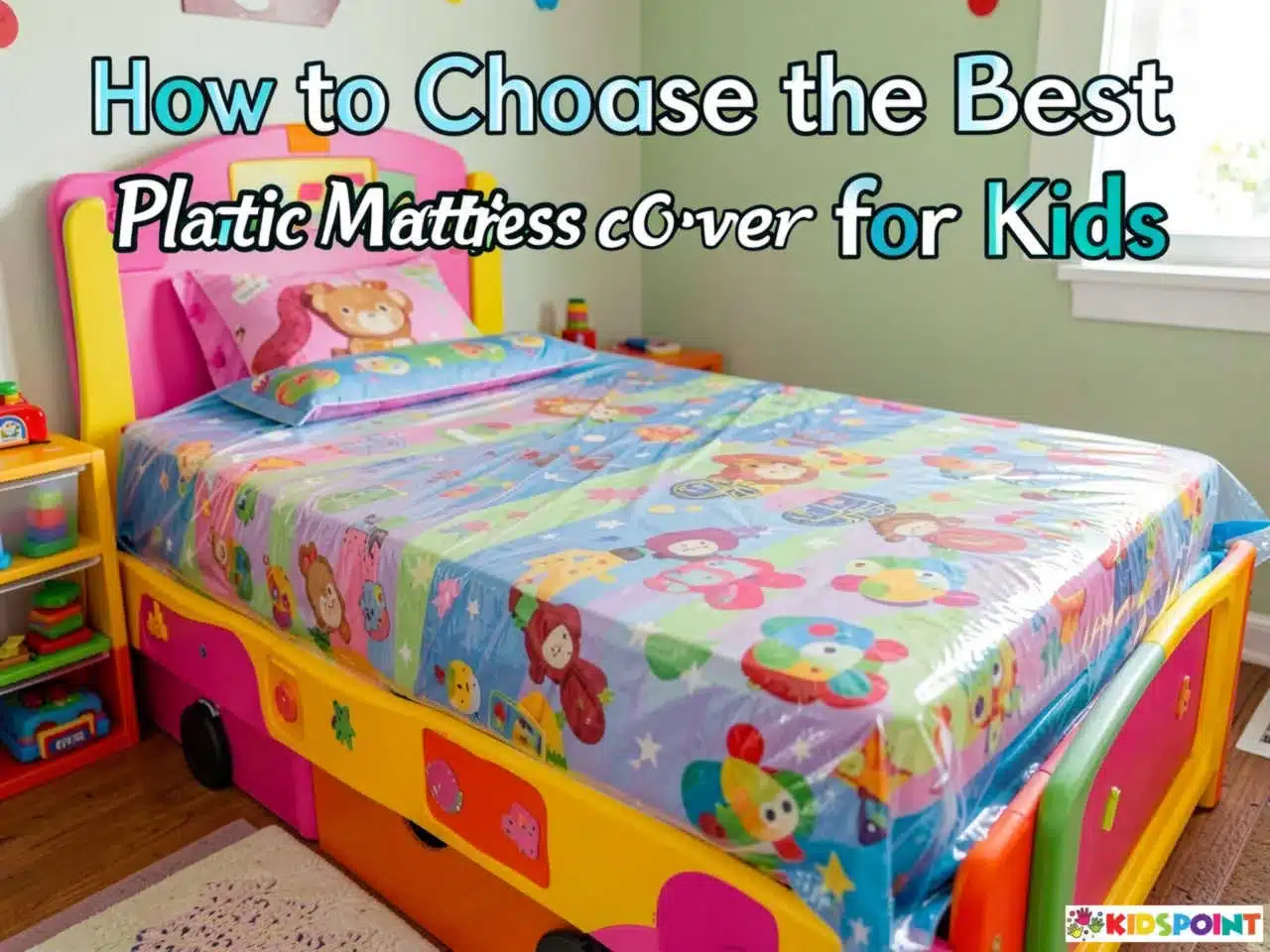
Every parent wants to create a clean, comfortable, and healthy sleeping environment for their child. From choosing the right mattress to selecting soft bedding, every detail matters. One often-overlooked accessory that can make a significant difference is a plastic mattress cover for kids. Whether you’re potty training a toddler, protecting a new mattress from spills, or trying to reduce exposure to allergens, the right mattress cover can extend the life of your child’s bed while improving hygiene.
However, not all plastic mattress covers are the same. Some prioritize waterproof protection, while others focus on comfort, breathability, or ease of cleaning. Choosing the best one requires understanding your child’s needs, the materials used, and the features that provide long-lasting value.
In this comprehensive guide, The Kids Point explains everything parents need to know about selecting the best plastic mattress cover for kids, including key features, benefits, safety considerations, maintenance tips, and common mistakes to avoid.
Why Kids Need a Plastic Mattress Cover
Children’s mattresses are exposed to more wear and tear than adult mattresses. Accidents, spills, sweat, food crumbs, and even dust mites can shorten the lifespan of a mattress if it isn’t properly protected.
A plastic mattress cover acts as a barrier between the mattress and everyday messes, helping to:
- Prevent liquid damage from spills and bedwetting
- Protect against stains
- Reduce exposure to dust mites and allergens
- Keep the mattress hygienic
- Extend the mattress’s lifespan
- Save money by avoiding premature mattress replacement
For families with young children, a mattress cover is a practical investment that offers peace of mind.
What Is a Plastic Mattress Cover?
A plastic mattress cover is a waterproof protective layer designed to fully or partially encase a mattress. Unlike standard fabric mattress protectors, plastic covers create a moisture-resistant barrier that prevents liquids from soaking into the mattress.
Modern versions often combine waterproof materials with softer fabric surfaces, making them more comfortable than traditional plastic-only covers.
Benefits of Using a Plastic Mattress Cover for Kids
Superior Waterproof Protection
One of the biggest advantages is complete waterproofing. Children may spill drinks, have nighttime accidents, or bring wet clothing into bed. A plastic cover prevents moisture from reaching the mattress.
Easier Cleaning
Instead of cleaning an entire mattress, parents can simply wipe down or wash the cover. This saves time and keeps the sleeping area cleaner.
Improved Hygiene
Mattresses naturally collect sweat, dead skin cells, dust, and bacteria over time. A protective cover reduces direct exposure and makes regular cleaning much easier.
Allergy Protection
Many plastic mattress covers create a barrier against:
- Dust mites
- Pet dander
- Mold spores
- Pollen
- Other common allergens
This is especially helpful for children with allergies or asthma.
Longer Mattress Life
Replacing a child’s mattress can be expensive. A quality mattress cover helps preserve the mattress by protecting it from everyday damage.
Types of Plastic Mattress Covers
Understanding the different styles helps you choose the right option.
Fully Enclosed Mattress Covers
These zip around the entire mattress, offering complete protection from all sides.
Best for:
- Allergy sufferers
- Bed bug prevention
- Long-term mattress protection
- Potty-training children
Fitted Plastic Mattress Covers
These fit like a fitted sheet, covering the top and sides.
Benefits include:
- Easy installation
- Quick removal
- Good waterproof protection
- Better airflow than full encasements
Plastic-Lined Fabric Protectors
These combine a soft fabric surface with a waterproof plastic backing.
Advantages:
- More comfortable
- Less noisy
- Better breathability
- Softer sleeping surface
These have become one of the most popular choices for families.
Important Features to Consider
Choosing the right mattress cover involves more than simply buying the cheapest option.
Waterproof Performance
Ensure the cover offers reliable waterproof protection without allowing moisture to seep through after repeated washing.
Look for:
- Heat-sealed seams
- Waterproof backing
- Leak-resistant construction
Material Quality
High-quality materials improve both comfort and durability.
Common materials include:
- Vinyl
- Polyethylene
- Polyurethane laminate (PUL)
- PVC-free waterproof fabrics
Many parents now prefer PVC-free options because they are softer and often considered more environmentally friendly.
Breathability
Some traditional plastic covers trap heat, making children uncomfortable during sleep.
Look for covers that promote airflow while maintaining waterproof protection.
Soft Surface
Children sleep better on smooth, comfortable surfaces.
Fabric-topped waterproof covers often feel more like regular bedding than older plastic-only designs.
Quiet Design
Some plastic covers produce crinkling sounds whenever a child moves.
Modern low-noise materials reduce sleep disruptions.
Secure Fit
A well-fitting mattress cover stays in place throughout the night.
Choose elastic edges or zippered designs that match your mattress size.
Choosing the Right Size
Selecting the correct size ensures full protection.
Common sizes include:
- Crib
- Toddler
- Twin
- Twin XL
- Full
Measure your mattress before purchasing, especially its depth.
A cover that’s too small may tear, while one that’s too large can wrinkle and shift.
Safety Considerations
Safety should always come first when selecting children’s bedding.
Choose products that are:
- BPA-free
- PVC-free when possible
- Phthalate-free
- Non-toxic
- Certified for children’s use
Avoid products with strong chemical odors, as these may indicate lower-quality materials.
Comfort Matters Too
Some parents worry that waterproof covers will make sleeping uncomfortable.
Fortunately, many modern options combine waterproof protection with soft quilted tops, breathable layers, and flexible waterproof membranes that provide comfort without sacrificing protection.
Your child should barely notice the mattress cover beneath the fitted sheet.
Plastic vs. Fabric Mattress Protectors
Both options have advantages.
Plastic Covers
Pros:
- Maximum waterproof protection
- Easy to wipe clean
- Excellent stain prevention
- Strong allergy barrier
Cons:
- May trap more heat
- Some older models can be noisy
Fabric Waterproof Protectors
Pros:
- Softer feel
- More breathable
- Quieter
- Better sleep comfort
Cons:
- Usually more expensive
- Some offer slightly less waterproof coverage than fully plastic designs
Many families find fabric-topped waterproof protectors provide the best balance.
Best Uses for Plastic Mattress Covers
A plastic mattress cover is especially useful for:
Potty Training
Nighttime accidents are common during potty training.
A waterproof cover keeps the mattress dry while making cleanup much easier.
Bedwetting
Children experiencing occasional bedwetting benefit greatly from waterproof mattress protection.
Parents can simply remove and wash the bedding without worrying about permanent mattress stains.
Young Children
Toddlers often spill:
- Milk
- Juice
- Water
- Snacks
A waterproof barrier prevents these accidents from causing lasting damage.
Allergy Management
Children with allergies benefit from mattress covers that reduce exposure to dust mites and other allergens.
Durability and Longevity
A quality mattress cover should withstand frequent washing.
Look for features such as:
- Reinforced seams
- Tear-resistant materials
- Machine-washable construction
- Fade-resistant fabrics
Following the manufacturer’s care instructions helps maximize lifespan.
Easy Cleaning Tips
Keeping a mattress cover clean is simple.
Most can be:
- Wiped clean after minor spills
- Machine washed on gentle cycles
- Air dried or tumble dried on low heat
Avoid bleach unless specifically recommended.
Wash regularly to maintain freshness and hygiene.
How Often Should You Wash It?
Experts generally recommend washing mattress covers:
- Every one to two months under normal use
- Immediately after accidents
- More frequently during illness
- Whenever visible stains appear
Regular cleaning helps reduce allergens and bacteria.
Tips for Making the Bed More Comfortable
A plastic mattress cover doesn’t have to reduce comfort.
Layer your child’s bed with:
- Waterproof mattress cover
- Soft fitted sheet
- Comfortable blankets
- Breathable pillows
- Age-appropriate bedding
This combination keeps the mattress protected while maintaining a cozy sleeping environment.
Environmental Considerations
Many manufacturers now offer eco-friendly waterproof mattress covers.
Look for products that feature:
- PVC-free materials
- Recyclable packaging
- Low-emission manufacturing
- Durable construction for longer use
Choosing a longer-lasting product also reduces waste.
Signs It’s Time to Replace a Mattress Cover
Replace your child’s mattress cover if you notice:
- Tears or holes
- Peeling waterproof layer
- Persistent odors
- Loose elastic
- Cracking plastic
- Waterproof failure
A damaged cover can no longer provide reliable protection.
Why Investing in a Quality Mattress Cover Is Worth It
Although a quality plastic mattress cover may cost more initially than a basic option, it often saves money over time.
Benefits include:
- Fewer mattress replacements
- Lower cleaning costs
- Better hygiene
- Improved allergy protection
- Less stress after accidents
- Longer mattress lifespan
Considering the cost of replacing a mattress, a protective cover is one of the most affordable ways to safeguard your investment.
Common Questions Parents Ask
Is a plastic mattress cover safe for kids?
Yes. Choose a high-quality, BPA-free, PVC-free (when possible), and non-toxic mattress cover designed specifically for children’s bedding.
Can I machine wash a plastic mattress cover?
Many modern waterproof mattress covers are machine washable. Always follow the manufacturer’s care instructions for the best results.
Will a plastic mattress cover make the bed hot?
Some traditional plastic covers may trap heat, but newer waterproof protectors are designed with breathable materials for improved comfort.
Do I need a plastic mattress cover if my child is potty trained?
Yes. Even after potty training, a mattress cover protects against spills, sweat, stains, allergens, and everyday wear.
How long does a kids’ plastic mattress cover last?
A quality mattress cover can last several years with proper care, though it should be replaced if it becomes torn, cracked, or loses its waterproof protection.
Choosing the best plastic mattress cover for kids is about finding the right balance between waterproof protection, comfort, durability, and safety. Whether you’re preparing for potty training, protecting a brand-new mattress, or creating a cleaner sleep environment, a high-quality mattress cover is an essential addition to your child’s bed.
Look for a cover that fits securely, uses non-toxic materials, offers breathable waterproof protection, and is easy to clean. While there are many options available, selecting one that matches your child’s age, sleeping habits, and mattress size will provide the best results.
We believe that a healthy night’s sleep begins with a clean, well-protected bed. Investing in the right plastic mattress cover not only preserves your child’s mattress but also contributes to a more hygienic, comfortable, and worry-free sleeping environment for the entire family.