

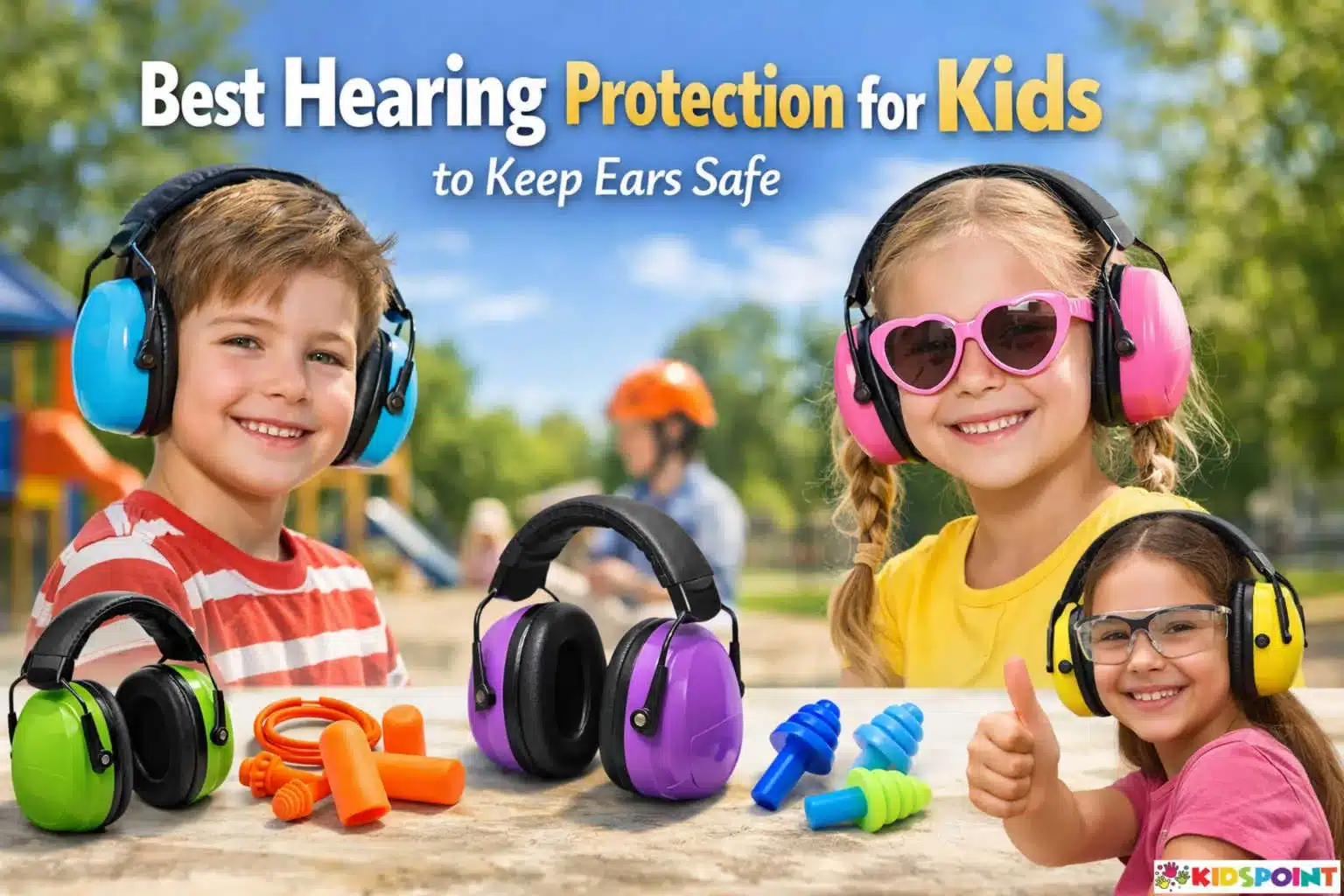
Protecting children’s hearing is one of the most important yet often overlooked responsibilities for parents. In a world filled with loud environments—from concerts and fireworks to everyday household noise—kids are increasingly exposed to sound levels that can harm their sensitive ears. At The Kids Point, we believe that taking early steps to protect hearing can make a lifelong difference in your child’s health and well-being.
This comprehensive guide will help you understand the importance of hearing protection for kids, explore the best options available, and provide practical tips to ensure your child’s ears stay safe.
Why Hearing Protection for Kids Is Important
Children’s ears are more delicate than adults’, making them more vulnerable to damage from loud sounds. Exposure to noise above 85 decibels over time can lead to permanent hearing loss. Even a single loud event, such as fireworks or a concert, can cause immediate damage.
Hearing loss in children can affect:
- Speech and language development
- Learning abilities
- Social interactions
- Emotional well-being
Because hearing damage is often gradual and irreversible, prevention is essential.
Common Situations That Require Hearing Protection
Many everyday activities can expose children to harmful noise levels. Parents should be aware of these situations and prepare accordingly.
Common noisy environments include:
- Fireworks displays and festivals
- Live concerts and music events
- Sporting events in large stadiums
- Airplane travel
- Movie theaters
- School band practice
- Loud household tools like vacuum cleaners or lawnmowers
Even environments that seem safe for adults may be too loud for children.
Types of Hearing Protection for Kids
Choosing the right type of hearing protection depends on your child’s age, comfort, and the activity involved.
Earmuffs (Ear Defenders)
Earmuffs are one of the safest and most effective options for children.
Key features:
- Cover the entire ear
- Soft padded ear cups
- Adjustable headbands
- Easy to wear and remove
Earmuffs are ideal for babies and younger children because they don’t require insertion into the ear and are simple to use.
Best for:
- Infants and toddlers
- Outdoor events
- Loud public environments
Earplugs
Earplugs are inserted into the ear canal and are suitable for older children who can use them properly.
Types include:
- Foam earplugs that expand for a snug fit
- Silicone earplugs that are reusable
- Pre-molded earplugs designed for kids
Best for:
- Older children and teenagers
- Studying or sleeping
- Travel
Dual Protection
In extremely loud environments, combining earmuffs and earplugs provides maximum protection. This method is useful for very high-noise situations.
Understanding Noise Reduction Rating (NRR)
The Noise Reduction Rating (NRR) indicates how much sound a hearing protection device can reduce.
- Typical NRR for kids: 20 to 30 decibels
- Higher NRR means more noise reduction
- Moderate NRR is often best to maintain awareness of surroundings
For younger children, a balanced level of protection is important so they can still hear voices and important sounds.
How to Choose the Best Hearing Protection for Kids
Selecting the right product involves several important factors.
Age and Size
Always choose hearing protection designed specifically for children. Proper sizing ensures better performance and comfort.
Comfort and Fit
Comfort is critical because children are more likely to wear protection that feels good.
Look for:
- Lightweight materials
- Soft cushioning
- Adjustable fit
- Breathable design
Activity Type
Different situations require different levels of protection. For example, concerts need higher protection than studying or sleeping.
Safety Materials
Ensure the product is made from non-toxic and hypoallergenic materials. Avoid items with small detachable parts for younger children.
Ease of Use
Earmuffs are easier for younger kids, while older children may prefer earplugs.
Design and Style
Bright colors and fun designs can encourage children to wear hearing protection consistently.
Benefits of Using Hearing Protection
Hearing protection provides several long-term benefits for children.
Prevents Hearing Loss
The most important benefit is protecting against permanent damage caused by loud noise.
Improves Comfort
Children feel more relaxed and less overwhelmed in noisy environments.
Enhances Focus
Reducing background noise can help children concentrate better during study or quiet activities.
Supports Sensitive Children
Children who are sensitive to sound benefit greatly from reduced noise exposure.
Tips to Help Kids Use Hearing Protection
Encouraging children to wear hearing protection regularly can be easier with the right approach.
- Let them choose their preferred style or color
- Practice wearing it at home
- Explain why it is important in simple terms
- Set a good example by wearing hearing protection yourself
- Keep it easily accessible when needed
Building these habits early ensures long-term safety.
Common Mistakes to Avoid
Parents should be aware of common mistakes when using hearing protection.
Using Adult-Sized Products
Improper fit reduces effectiveness and comfort.
Ignoring Comfort
Uncomfortable protection is less likely to be used consistently.
Choosing Excessively High NRR
Too much noise blocking can prevent children from hearing important instructions or warnings.
Poor Fit
Gaps caused by hair, glasses, or improper positioning can reduce effectiveness.
Relying on Regular Headphones
Standard headphones are not designed to protect hearing from harmful noise levels.
Signs Your Child May Be Affected by Loud Noise
Watch for these signs that may indicate hearing issues or discomfort:
- Complaints about loud sounds
- Covering ears frequently
- Difficulty hearing or responding
- Increasing volume on devices
- Sensitivity to everyday noise
If you notice these signs, consider increasing hearing protection and consulting a professional if needed.
Cleaning and Maintenance
Proper care of hearing protection devices ensures hygiene and durability.
Earmuffs
- Wipe down cushions regularly
- Store in a clean, dry place
Earplugs
- Dispose of single-use plugs after use
- Wash reusable plugs thoroughly
Regular cleaning helps prevent infections and extends product life.
Building Healthy Hearing Habits
In addition to using hearing protection, teaching good habits is essential.
- Keep volume levels moderate on devices
- Take breaks from continuous noise
- Maintain distance from loud sound sources
- Use protection consistently in noisy environments
These habits help protect hearing over the long term.
Common Questions Answered
When should kids start using hearing protection?
Children can start using hearing protection from infancy when exposed to loud environments.
Are earmuffs safer than earplugs?
Yes, especially for younger children, as they are easier to use and do not go inside the ear.
What is the ideal noise reduction level for kids?
A range between 20 and 30 decibels is generally suitable for most situations.
Can hearing damage be reversed?
No, most hearing damage is permanent, making prevention essential.
Are regular headphones enough for protection?
No, standard headphones do not provide adequate protection against harmful noise levels.
Final Thoughts
Protecting your child’s hearing is a simple yet powerful step toward ensuring their overall health and development. With the right hearing protection and consistent habits, you can significantly reduce the risk of noise-related damage.
At The Kids Point, we encourage parents to stay proactive, choose the right products, and make hearing safety a natural part of everyday life. Whether at home, school, or outdoor events, a little preparation goes a long way in keeping your child’s ears safe.