

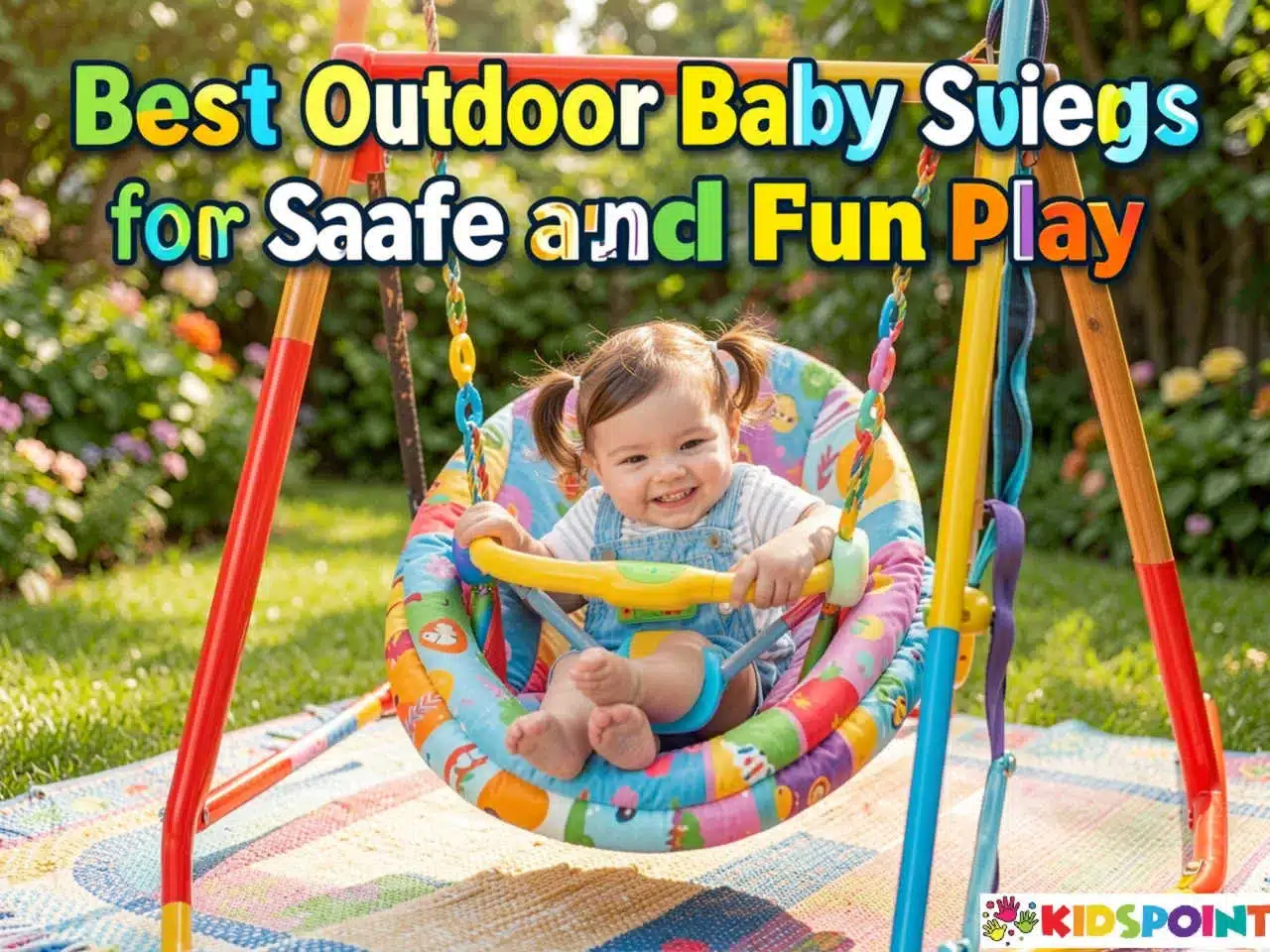
Outdoor play gives babies and young children a wonderful opportunity to enjoy fresh air, movement, and sensory experiences. A well-designed baby swing can make outdoor play even more enjoyable while helping little ones experience gentle movement in a safe environment. However, choosing the right outdoor baby swing requires more than picking an attractive design. Parents need to consider age, weight limits, materials, safety features, installation, location, and supervision.
At The Kids Point, we believe outdoor play should be both exciting and safe. The right baby swing can become a favorite part of a backyard, patio, or play area when it is selected and used appropriately.
This guide explores some of the best outdoor baby swing ideas, important safety considerations, different swing styles, installation tips, and ways to create an enjoyable outdoor swinging experience for little ones.
Why Outdoor Baby Swings Are Great for Young Children
Swinging can be a simple and engaging activity for children who are developmentally ready for it. The gentle back-and-forth movement can provide a fun sensory experience while encouraging children to interact with their surroundings.
Outdoor swings can also encourage families to spend more time outside. Instead of staying indoors throughout the day, children can enjoy supervised play in a backyard or outdoor play space.
A baby swing may support:
- Gross motor development
- Balance and body awareness
- Sensory exploration
- Outdoor activity
- Parent-child interaction
- Confidence during age-appropriate play
The key is choosing equipment designed specifically for the child’s developmental stage and using it according to the manufacturer’s instructions.
Bucket Seat Baby Swing
A bucket-style baby swing is one of the most popular choices for younger children who are ready for swinging. The seat generally surrounds the child’s lower body and includes a safety restraint or harness.
The enclosed design can provide additional support compared with a traditional flat swing seat.
When choosing a bucket seat swing, look for:
- A secure restraint system
- Smooth edges
- Strong suspension ropes or chains
- A properly supported seat
- An appropriate weight range
- Durable outdoor materials
Parents should always check the manufacturer’s recommended age and weight requirements before use.
High-Back Baby Swing
A high-back swing provides additional support around the child’s back and sides. This design can be helpful for children who need more body support than a conventional swing provides.
A high-back seat may include a harness or other restraint system. It should be properly fitted so that the child remains securely positioned while swinging.
Before purchasing one, check whether the seat is specifically designed for outdoor use. Materials should be able to withstand normal outdoor conditions without becoming excessively brittle or damaged.
Toddler Swing With Safety Harness
For toddlers who are developmentally ready for swinging, a swing with a properly designed harness can offer a secure seating arrangement.
Harness systems can help reduce the chance of a child slipping or climbing out while the swing is moving.
Parents should make sure:
- The harness closes correctly.
- The child is positioned comfortably.
- The restraint is used as instructed.
- The seat is appropriate for the child’s size.
- The swing is not overloaded.
A restraint is not a replacement for adult supervision.
Wooden Outdoor Baby Swing
Wooden swings can provide a natural appearance that fits beautifully into backyard play areas. A wooden seat can be combined with ropes or other suspension systems to create a classic outdoor look.
However, parents should inspect wooden swings regularly for:
- Splinters
- Cracks
- Loose hardware
- Rot
- Sharp edges
- Damaged ropes
- Weather-related deterioration
If the swing is painted or treated, use only finishes appropriate for children’s outdoor equipment and follow the manufacturer’s care instructions.
Plastic Baby Swing
Plastic swings are another practical option for outdoor play. High-quality outdoor plastic can be lightweight, easy to clean, and resistant to many common weather conditions.
Parents should look for sturdy construction rather than choosing a swing based only on bright colors or attractive designs.
A good plastic swing should feel stable and appropriately designed for its intended age group.
Inspect the seat periodically for cracks, fading, brittleness, or other damage. Outdoor equipment can deteriorate over time, particularly when exposed to strong sunlight and changing weather.
Fabric or Hammock-Style Baby Swing
Fabric swings can provide a softer and cozy experience. Some are designed like suspended seats, while others resemble small hammocks.
These swings can be appealing for sensory play because the fabric may provide a gentle, enclosed feeling.
However, parents should be especially careful about the manufacturer’s age recommendations, weight limits, attachment requirements, and intended use.
Never assume that a general-purpose hammock is suitable for a baby. Only use equipment specifically designed for children of the appropriate age and size.
Convertible Baby-to-Toddler Swing
A convertible swing can be a practical choice for families who want equipment that changes as a child grows.
Some models may offer adjustable features or removable components that allow the seat to transition between developmental stages.
Before purchasing a convertible swing, check exactly how the product is intended to change. A swing should only be used in configurations approved by its manufacturer.
The biggest advantage is flexibility, but parents should never use an older configuration simply because the child appears physically capable of it.
Porch or Patio Baby Swing
Families without large backyards may consider a suitable porch or patio swing designed specifically for young children.
A compact swing can work well in smaller outdoor spaces, provided there is enough clearance around it and the structure can safely support the equipment.
The mounting surface is particularly important. Parents should never attach a swing to an uncertain structure simply because it appears strong.
Follow installation instructions carefully and, when necessary, seek help from a qualified professional.
Freestanding Baby Swing Set
A freestanding swing frame can be a convenient choice for families who do not want to attach a swing to a building or existing structure.
The frame should stand securely on an appropriate surface and be designed to support the intended swing.
Parents should check:
- Frame stability
- Weight capacity
- Ground anchoring requirements
- Swing clearance
- Hardware condition
- Manufacturer installation instructions
The surrounding area should remain clear so that children are not exposed to unnecessary obstacles while swinging.
Sensory-Friendly Outdoor Swing
Some children enjoy gentle movement as part of sensory play. A swing can offer a simple opportunity to experience motion while looking at trees, clouds, sunlight, and other outdoor surroundings.
Parents can make the experience more engaging by talking to their child while swinging.
For example, they can point out birds, leaves, flowers, clouds, or sounds in the environment.
The goal is not to make the swing complicated. A calm, age-appropriate swinging experience combined with outdoor observation can create a rich sensory activity.
Choosing the Right Baby Swing
Selecting a baby swing should begin with the child’s developmental needs rather than appearance.
Consider the child’s age and development first. Always check the manufacturer’s recommended age range. A child may be physically strong but still not be developmentally ready for a particular type of swing.
Weight capacity is another important consideration. Every swing should have a clearly stated weight limit. Never exceed it.
Safety restraints are also important for baby and toddler swings. Check that buckles and straps work correctly before every use.
Materials should be appropriate for outdoor use. Plastic, metal, wood, fabric, ropes, and hardware should all be designed to tolerate normal outdoor conditions.
Installation is equally important. A properly designed swing can still become dangerous if it is incorrectly installed. Follow the manufacturer’s instructions carefully and make sure all attachment points are secure before allowing a child to use the swing.
Creating a Safe Swinging Area
The location of the swing matters just as much as the swing itself.
Choose a location with enough open space around the equipment. Keep hard objects, furniture, gardening tools, toys, and other obstacles away from the swing’s movement area.
A suitable protective surface can also help reduce the severity of injuries from falls around playground equipment. Follow relevant playground-surface recommendations and the swing manufacturer’s installation guidance.
Avoid placing a swing where branches, walls, fences, vehicles, or other structures create hazards.
Inspect the Swing Before Every Use
A quick inspection can help identify problems before they become accidents.
Parents should look for:
- Loose bolts
- Damaged ropes
- Frayed straps
- Cracked seats
- Sharp edges
- Rusted hardware
- Broken fasteners
- Structural damage
- Loose mounting points
If something looks damaged or unstable, stop using the swing until the issue has been properly addressed.
Regular inspections are particularly important after storms, heavy rain, strong winds, or periods when the swing has not been used for a long time.
Adult Supervision Is Essential
One of the most important rules for baby swing safety is active supervision.
Babies and toddlers should not be left alone on a swing. An adult should remain close enough to respond immediately if the child becomes uncomfortable, tries to climb out, or experiences a problem.
Avoid using a phone or becoming distracted while supervising.
Parents can also use swinging time as an opportunity for interaction. Talking, singing, smiling, and observing the child’s reactions can turn ordinary outdoor play into quality family time.
Start With Gentle Movement
Babies and young toddlers generally need gentle, controlled movement rather than fast or high swinging.
Start slowly and observe how the child responds.
If the child appears uncomfortable, frightened, dizzy, or upset, stop the activity.
As children become more familiar with swinging, parents should continue following the swing’s intended use and manufacturer’s guidance rather than increasing speed simply because the child enjoys movement.
Dress Children Appropriately
Clothing can also affect outdoor swing safety.
Avoid loose accessories, scarves, cords, or other items that could become caught in playground equipment.
Children should wear comfortable clothing appropriate for the weather. On sunny days, consider shade, protective clothing, and other age-appropriate sun protection.
During colder weather, avoid bulky clothing that interferes with properly securing the child’s restraint.
Keep the Swing Clean
Outdoor swings can collect dirt, dust, pollen, moisture, and other debris.
Clean the swing according to the manufacturer’s recommendations.
Plastic seats can often be wiped down easily, while fabric components may require specific cleaning methods.
Do not use harsh cleaning products unless they are specifically appropriate for the swing’s materials.
Keeping the swing clean can make outdoor play more pleasant and also makes it easier for parents to notice cracks, stains, or other damage during routine maintenance.
Fun Ways to Use a Baby Swing
Swinging does not have to be a standalone activity. Parents can turn outdoor swing time into a simple learning experience.
Nature watching is one easy option. Point out birds, trees, flowers, insects, and clouds while the child swings gently.
Singing can make the experience more engaging. Parents can sing simple songs or nursery rhymes while maintaining a comfortable swinging rhythm.
Older toddlers can practice counting the number of gentle swings.
Parents can also play a simple color hunt by asking children to look for objects of different colors around the yard.
Weather observation is another easy activity. Talk about whether the day is sunny, cloudy, windy, or cool.
These activities help combine movement with language, observation, and early learning.
Common Outdoor Baby Swing Mistakes to Avoid
Even a high-quality swing can become unsafe when used incorrectly.
Avoid these common mistakes:
- Using a swing designed for an older child.
- Ignoring the manufacturer’s weight limit.
- Leaving a baby unattended.
- Installing equipment without following instructions.
- Placing the swing too close to obstacles.
- Using damaged ropes or hardware.
- Allowing children to stand in a baby swing.
- Pushing too aggressively.
- Attaching a swing to an unsuitable structure.
- Continuing to use equipment after it becomes damaged.
Simple precautions can make a significant difference.
How to Choose a Swing for Small Outdoor Spaces
Families with limited outdoor space can still create an enjoyable play area.
Measure the available space before purchasing a swing. Remember that the swing needs clearance in front and behind the seat, not just enough room for the frame itself.
Wall-mounted or compact options may work in some situations, while freestanding models may be more suitable for other spaces.
Never compromise safety clearance just to fit a particular swing into a small area.
Building a Fun Outdoor Play Environment
A baby swing can be part of a larger outdoor learning environment.
Parents can create a simple play area with age-appropriate toys, natural materials, sensory activities, and comfortable seating.
For example, a small backyard could include:
- A baby swing
- A soft play area
- A few outdoor books
- A small sensory bin
- Safe gardening activities
- Nature observation tools
The aim is to encourage children to explore rather than simply provide equipment.
FAQs About Outdoor Baby Swings
What type of swing is best for babies?
A bucket-style or high-back swing with an appropriate safety restraint is generally a suitable choice for children who meet the manufacturer’s age and development requirements.
Are outdoor baby swings safe?
They can be safe when properly installed and used according to the manufacturer’s instructions, with active adult supervision and regular safety inspections.
How often should I inspect a baby swing?
Check the swing before each use for loose hardware, damaged ropes, cracks, sharp edges, or other visible problems.
Can babies use regular playground swings?
Babies should only use swings specifically designed for their age and developmental stage. Always follow the manufacturer’s recommendations.
How can I make swinging more fun?
Parents can sing songs, count gentle swings, or encourage children to observe birds, trees, clouds, and other things around them while playing.
The best outdoor baby swing is not necessarily the most expensive or elaborate model. The right choice is one that matches the child’s age, developmental stage, size, and needs while providing appropriate support and meeting the manufacturer’s safety requirements.
From bucket seats and high-back swings to compact patio options and freestanding designs, families have many possibilities. Regardless of the style, safe installation, regular inspection, proper restraints, suitable clothing, and close adult supervision should always come first.
Outdoor swinging can become a wonderful part of childhood when it is approached thoughtfully. It gives babies and toddlers an opportunity to experience gentle movement, fresh air, nature, and quality time with their caregivers.
At The Kids Point, we encourage parents to make outdoor play both joyful and responsible. Choose age-appropriate equipment, follow safety instructions, inspect the swing regularly, and let children enjoy the simple pleasure of moving, exploring, and discovering the world around them.