

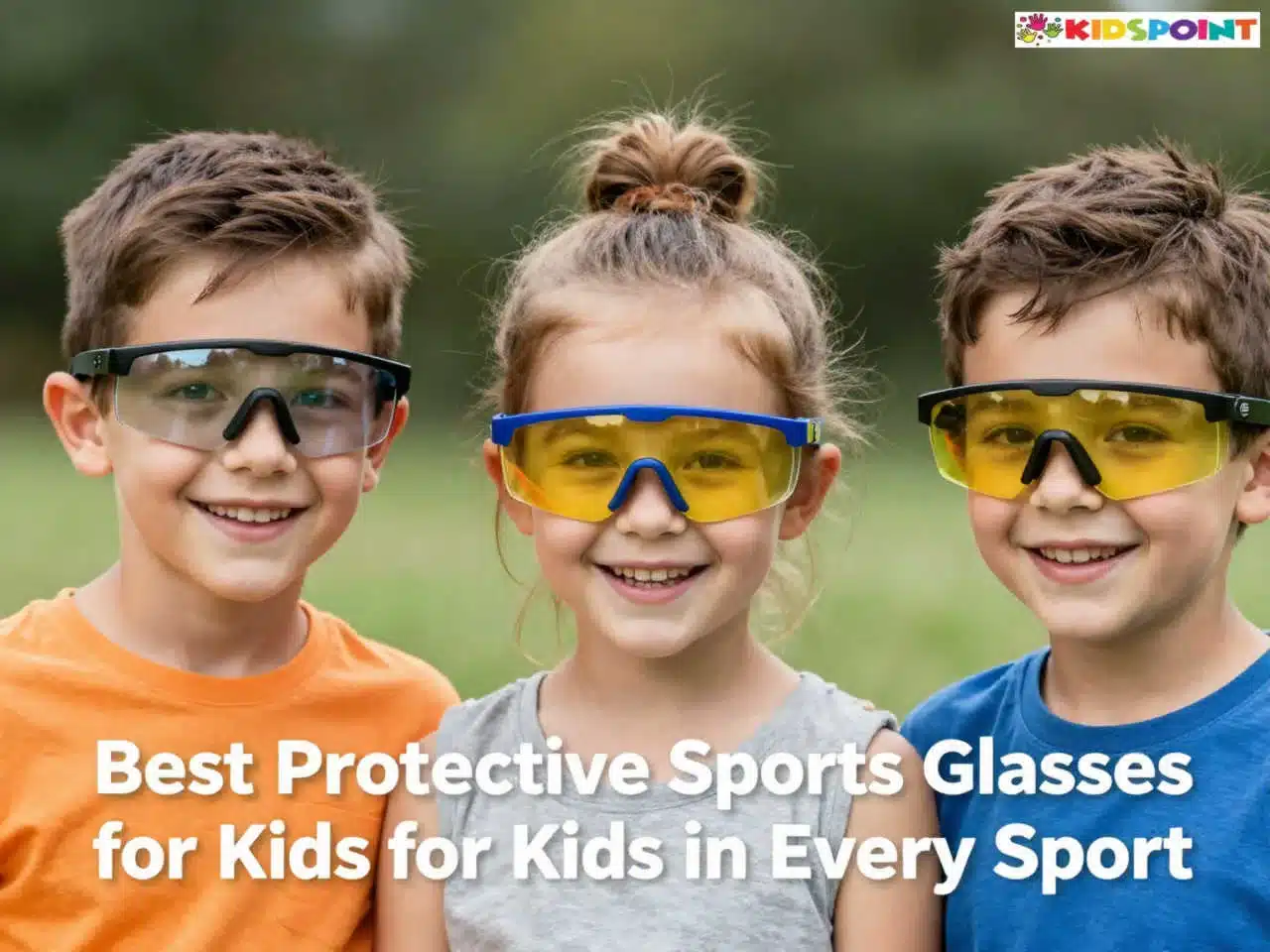
Children thrive when they stay active, whether they are playing basketball after school, joining a soccer league, learning tennis, or riding bikes with friends. Sports help build strength, confidence, teamwork, and healthy habits that can last a lifetime. While parents often focus on helmets, knee pads, shin guards, and mouthguards, eye protection is sometimes forgotten. However, children’s eyes are especially vulnerable during sports, and a single accident can lead to serious injuries that may affect their vision for years.
Protective sports glasses are specifically designed to keep young athletes safe while allowing them to perform at their best. Unlike regular eyeglasses, sports glasses are built with impact-resistant materials that can withstand fast-moving balls, accidental elbows, flying debris, and other hazards commonly found in youth sports. They provide a secure fit, excellent visibility, and lasting comfort, making them an essential piece of sports equipment for active children.
At The Kids Point, we believe that protecting a child’s eyesight is just as important as protecting their head or teeth. Choosing the right pair of protective sports glasses gives parents peace of mind while allowing kids to enjoy every game with greater confidence. Whether your child is a beginner or a competitive athlete, understanding what makes quality sports eyewear different can help you make the best decision.
Why Kids Need Protective Sports Glasses
Every year, thousands of children experience sports-related eye injuries. Many of these injuries occur during activities that parents may not even consider dangerous. A basketball can bounce unexpectedly into a player’s face, a baseball can travel at high speed toward the eyes, or an accidental finger poke during soccer can cause painful injuries. Even recreational cycling or skateboarding can expose children to dust, insects, branches, and flying debris.
The good news is that many of these injuries are preventable. Protective sports glasses create a strong barrier between the eyes and potential hazards, greatly reducing the chance of cuts, bruises, corneal abrasions, or more severe eye trauma.
Eye protection also improves confidence. Children who can see clearly without worrying about broken glasses or eye injuries are often more willing to participate fully in practices and competitions. This confidence allows them to focus on improving their skills instead of worrying about their safety.
Parents should think of protective sports glasses as essential equipment rather than an optional accessory. Just as helmets protect the head and shin guards protect the legs, sports glasses help preserve one of the body’s most valuable senses—vision.
Common Causes of Sports Eye Injuries
Understanding how eye injuries happen can help parents appreciate the importance of proper protection.
Fast-moving sports equipment is one of the leading causes of injuries. Baseballs, softballs, tennis balls, hockey pucks, and even soccer balls can strike the face with considerable force. Young athletes may not always react quickly enough to avoid these impacts.
Physical contact is another common risk. During basketball, football, or soccer games, players frequently collide while chasing the ball. Accidental elbows, shoulders, or hands can easily make contact with the eyes.
Sports involving racquets or sticks also increase the likelihood of injuries. A swinging tennis racquet or hockey stick can accidentally hit another player if proper spacing is not maintained.
Outdoor activities introduce additional hazards such as dirt, dust, sand, insects, wind, and harmful ultraviolet (UV) rays from the sun. Even cycling through a neighborhood can expose children’s eyes to debris that affects both comfort and safety.
Falls are another concern. Whether skiing, skateboarding, or playing on uneven fields, children can fall unexpectedly. Protective sports glasses help reduce the risk of direct eye injuries during these accidents.
How Protective Sports Glasses Are Different from Regular Eyeglasses
Many parents assume that everyday prescription glasses provide enough protection during sports. Unfortunately, regular eyeglasses are not designed for athletic activities and may actually increase the risk of injury.
Traditional eyeglass frames can bend or break under impact. Standard plastic lenses may crack, while glass lenses can shatter into dangerous fragments. Even if modern prescription lenses are more durable than older glass versions, they still do not provide the same level of impact resistance as certified sports eyewear.
Protective sports glasses are built specifically for active movement and unexpected impacts. Most use polycarbonate lenses, which are significantly stronger and lighter than ordinary lenses. These lenses resist breaking even when struck by high-speed objects, making them one of the safest choices for young athletes.
The frames are also different. Sports glasses use flexible materials that absorb impact instead of snapping under pressure. Many include padded nose bridges and soft cushioning around the face for improved comfort during extended play.
Another major advantage is stability. Sports glasses often feature wraparound designs or adjustable elastic straps that keep them securely in place while children run, jump, dive, or change direction quickly. This secure fit allows young athletes to focus entirely on the game.
Features to Look for in Protective Sports Glasses
Not every pair of sports glasses offers the same level of protection. Parents should carefully evaluate several important features before making a purchase.
Polycarbonate lenses should always be the first priority. These lenses are lightweight, highly impact-resistant, naturally block harmful UV rays, and provide excellent optical clarity. Because they are much less likely to shatter than standard lenses, they are widely recommended for youth sports.
Frame flexibility is equally important. Durable nylon or rubber-based frames can absorb impacts while maintaining their shape. Flexible materials also improve comfort by adapting to different face shapes.
A secure fit ensures that the glasses remain in place throughout the game. Adjustable head straps are especially helpful for younger children who participate in fast-moving sports. A slipping pair of glasses can distract athletes at critical moments and reduce both safety and performance.
Comfort should never be overlooked. Soft nose pads and cushioned frame edges reduce pressure points, allowing children to wear the glasses comfortably for practices, tournaments, and long training sessions without irritation.
Finally, parents should consider lens coatings that improve visibility. Anti-fog coatings help maintain clear vision during intense physical activity, while scratch-resistant coatings extend the lifespan of the lenses. For outdoor sports, UV400 protection shields children’s eyes from harmful ultraviolet rays throughout the year.
Choosing the Right Size and Fit
Even the highest-quality protective sports glasses cannot perform properly if they do not fit correctly. A poorly fitted pair may slide down the nose, pinch the temples, or leave gaps that reduce protection.
A good pair should sit comfortably on the child’s face without feeling too tight or too loose. The frames should remain stable during running, jumping, and quick changes in direction while still allowing natural movement and a full field of vision. Adjustable straps can help create a secure fit for children with different head sizes and activity levels.
Manufacturers often provide youth sizing guides based on age, but every child’s face is unique. Trying on multiple styles before purchasing can help parents find the most comfortable option.
Best Protective Sports Glasses for Basketball
Basketball is one of the most popular youth sports, but it also has a high rate of eye injuries. Fast-paced action, close player contact, and constant movement create many opportunities for accidental eye trauma. Flying elbows, fingers, and rebounds are common causes of injuries during games and practice sessions.
The best basketball sports glasses should feature impact-resistant polycarbonate lenses, lightweight wraparound frames, anti-fog coatings, and adjustable straps that keep the eyewear securely in place. Soft padding around the nose and temples also improves comfort during long games.
Children who wear prescription lenses should consider prescription sports goggles instead of regular glasses. These provide both vision correction and superior protection without compromising performance.
Best Protective Sports Glasses for Soccer
Although soccer involves less hand contact than basketball, eye injuries still occur from accidental collisions, elbows, head-to-head contact, and powerful kicks. Goalkeepers face additional risks because they frequently dive toward fast-moving balls and players.
Soccer players benefit from lightweight sports glasses that offer a wide field of vision. Wraparound frames provide excellent side protection while reducing distractions during play. Secure straps help prevent the glasses from slipping during running or sudden direction changes.
For outdoor matches, lenses with UV400 protection reduce harmful sun exposure while maintaining excellent visibility throughout the game.
Best Protective Sports Glasses for Baseball and Softball
Baseball and softball are among the highest-risk sports for eye injuries because balls travel at extremely high speeds. Even young players can hit or throw balls with enough force to cause serious eye damage.
Protective sports glasses designed for baseball should include:
- High-impact polycarbonate lenses
- Durable flexible frames
- Wide peripheral vision
- Scratch-resistant coating
- Adjustable elastic straps
Fielders, pitchers, batters, and catchers all benefit from eye protection. Parents should never rely on ordinary prescription glasses during baseball activities.
Best Protective Sports Glasses for Football
Football combines speed, physical contact, and frequent collisions. Although helmets include face masks, they do not completely eliminate the possibility of eye injuries.
Children who wear sports glasses should choose models that fit comfortably beneath football helmets without creating pressure points. Flexible frames, anti-slip materials, and secure straps help maintain proper positioning throughout the game.
Football eyewear should also resist fogging during warm weather and intense physical activity.
Best Protective Sports Glasses for Hockey
Whether playing ice hockey or field hockey, young athletes face significant eye injury risks from sticks, pucks, balls, and accidental player contact.
Protective hockey eyewear should include:
- Certified impact-resistant lenses
- Strong wraparound frames
- Anti-fog technology
- Comfortable ventilation
- Helmet compatibility
Clear vision is especially important in hockey because the game moves quickly, requiring players to react instantly.
Best Protective Sports Glasses for Tennis and Racquet Sports
Sports such as tennis, badminton, squash, and racquetball involve high-speed balls and swinging racquets that can accidentally strike nearby players.
Children participating in racquet sports should wear glasses that offer:
- Lightweight construction
- Wide viewing angles
- Flexible frames
- Scratch-resistant lenses
- Comfortable fit
A secure pair of sports glasses allows players to move confidently while maintaining excellent visibility across the court.
Best Protective Sports Glasses for Cycling
Cycling presents unique eye hazards that many parents overlook. Wind, dust, insects, small rocks, pollen, and tree branches can all affect a child’s vision while riding.
Cycling glasses should provide:
- Wraparound protection
- UV400 sun protection
- Lightweight design
- Anti-fog ventilation
- Comfortable helmet compatibility
These features improve both safety and comfort, especially during longer rides or off-road adventures.
Best Protective Sports Glasses for Skiing and Snow Sports
Snow reflects large amounts of ultraviolet light, increasing exposure to harmful UV rays. Skiers and snowboarders also encounter wind, ice particles, and changing weather conditions.
Quality snow sports eyewear should include:
- UV400 protection
- Anti-fog lenses
- Comfortable foam padding
- Wide field of vision
- Secure helmet compatibility
These features help children maintain clear vision while protecting their eyes from harsh mountain environments.
Best Protective Sports Glasses for Volleyball
Volleyball players often experience accidental finger pokes, elbows, and powerful ball impacts. Since athletes constantly look upward while tracking the ball, clear vision is essential.
Ideal volleyball sports glasses feature lightweight frames, secure straps, impact-resistant lenses, and anti-fog coatings that maintain visibility throughout fast-paced matches.
Best Protective Sports Glasses for Lacrosse
Lacrosse combines fast-moving balls, sticks, and physical contact, making eye protection especially important. Many youth leagues require approved protective eyewear for safety.
Parents should choose glasses that provide maximum impact resistance, wraparound coverage, durable frames, and secure head straps.
Prescription Sports Glasses for Kids
Many children need prescription lenses to see clearly during sports. Wearing regular prescription glasses during games can be uncomfortable and unsafe because standard frames are not designed for athletic impacts.
Prescription sports glasses solve this problem by combining vision correction with certified protective eyewear. These specialized glasses allow children to see clearly while reducing the risk of broken lenses and facial injuries.
Benefits include:
- Improved vision
- Better confidence
- Enhanced reaction time
- Increased comfort
- Greater overall safety
Eye care professionals can customize prescription sports glasses for nearly every sport.
Understanding Lens Materials
The material used in sports lenses plays a major role in protecting children’s eyes.
Polycarbonate remains the preferred choice because it offers excellent impact resistance while remaining lightweight. These lenses naturally block harmful UV rays and are less likely to crack under pressure.
Some premium sports glasses also include scratch-resistant coatings, hydrophobic coatings that repel water, and anti-reflective coatings that reduce glare during outdoor play.
Choosing quality lens materials improves both safety and long-term durability.
Safety Standards Parents Should Know
When shopping for protective sports glasses, parents should never focus only on appearance or price.
Instead, look for eyewear that meets recognized safety standards for sports use. Certified sports glasses undergo impact testing to ensure they can withstand much greater force than everyday eyeglasses.
Purchasing certified products gives parents greater confidence that the eyewear has been designed specifically to protect children’s eyes during athletic activities.
High-quality sports eyewear may cost more initially, but the investment is small compared with the potential cost of treating a serious eye injury.
The Importance of UV Protection
Many parents think of sports glasses only as protection against physical injuries, but ultraviolet (UV) rays can also damage children’s eyes over time. Young eyes are more sensitive to sunlight than adult eyes, making UV protection an important feature for outdoor sports.
Sports played in bright sunlight expose children to harmful rays for extended periods. Activities such as soccer, baseball, cycling, tennis, golf, running, hiking, and skiing increase UV exposure, especially during the middle of the day. Snow, water, and light-colored playing surfaces can also reflect sunlight, increasing the amount of UV radiation reaching the eyes.
Choose sports glasses that offer 100% UVA and UVB protection or are labeled UV400. These lenses block nearly all harmful ultraviolet rays while maintaining clear vision. Combining impact-resistant polycarbonate lenses with UV protection provides excellent all-around eye safety for active children.
Lens Tints for Different Sports
Lens color can affect visibility depending on the sport and playing conditions. Selecting the right tint can improve contrast, reduce glare, and enhance overall performance.
Clear lenses are ideal for indoor sports such as basketball, volleyball, badminton, and gymnastics because they allow maximum light transmission.
Gray lenses reduce brightness without changing natural colors, making them excellent for baseball, soccer, football, and other outdoor sports.
Amber or yellow lenses improve contrast in cloudy weather or low-light conditions, helping children track moving objects more easily.
Brown or bronze lenses enhance depth perception and reduce glare, making them suitable for cycling, tennis, golf, and hiking.
Parents should choose lens colors based on where their child spends most of their playing time.
Caring for Protective Sports Glasses
Even the best sports glasses require proper care to maintain their performance and durability. Teaching children how to care for their eyewear helps protect the investment and ensures clear vision every time they play.
Simple care tips include:
- Store glasses in a hard protective case when not in use.
- Clean lenses with a microfiber cloth instead of clothing or paper towels.
- Use lens-safe cleaning solution to remove dirt and fingerprints.
- Rinse dust or sand with clean water before wiping the lenses.
- Avoid placing glasses face down on hard surfaces.
- Keep eyewear away from excessive heat, which may damage frames or lens coatings.
- Inspect straps and hinges regularly for wear or damage.
Good maintenance habits can significantly extend the life of sports eyewear.
When Should Sports Glasses Be Replaced?
Protective sports glasses are built to last, but they are not designed to last forever. Over time, repeated impacts, scratches, and normal wear can reduce their protective ability.
Parents should replace sports glasses if they notice:
- Cracked or bent frames
- Deep scratches affecting vision
- Loose straps or broken hinges
- Lenses damaged after a strong impact
- Frames that no longer fit properly as the child grows
Children’s faces change quickly during their growing years, so checking the fit each season is a smart habit.
Common Mistakes Parents Should Avoid
Choosing protective sports glasses is only part of keeping children safe. Avoiding common mistakes helps maximize the benefits of quality eyewear.
Some of the most common mistakes include:
- Allowing children to wear regular eyeglasses during sports
- Buying oversized frames that slip during activity
- Choosing style over certified safety
- Ignoring impact-resistant lens materials
- Forgetting UV protection for outdoor sports
- Continuing to use damaged eyewear
- Skipping regular fit checks as children grow
- Neglecting proper cleaning and storage
Avoiding these mistakes ensures that sports glasses provide the highest level of protection possible.
Helping Kids Feel Comfortable Wearing Sports Glasses
Some children may hesitate to wear protective eyewear because they worry about appearance or comfort. Parents and coaches play an important role in building positive habits.
Allow children to choose a frame style and color they like while ensuring it meets safety standards. A comfortable, well-fitted pair is much more likely to be worn consistently. Explaining that many professional athletes wear sports goggles can also help children see protective eyewear as a normal part of their sports equipment.
Positive reinforcement works well, too. Praising children for wearing their sports glasses and reminding them that protecting their eyesight helps them continue enjoying their favorite activities encourages lifelong safety habits.
Protective eyewear should become as routine as putting on a helmet, fastening shin guards, or wearing a mouthguard. Once children become accustomed to wearing sports glasses, they often forget they are even wearing them.
FAQs
Are regular eyeglasses safe for sports?
No. Regular eyeglasses are not designed to withstand sports impacts and may break during play.
What is the best lens material for kids’ sports glasses?
Polycarbonate lenses are the safest choice because they are lightweight, impact-resistant, and provide built-in UV protection.
Can children get prescription sports glasses?
Yes. Prescription sports glasses combine vision correction with impact-resistant protection, making them ideal for young athletes.
Which sports have the highest risk of eye injuries?
Basketball, baseball, softball, hockey, lacrosse, football, and racquet sports are among the sports with the highest risk of eye injuries.
How often should protective sports glasses be replaced?
Replace them whenever they become damaged, scratched, no longer fit properly, or after a significant impact that could weaken their protective performance.
Protecting a child’s vision is one of the smartest investments parents can make. High-quality protective sports glasses reduce the risk of serious eye injuries while helping young athletes perform with confidence and comfort. Whether your child enjoys basketball, soccer, baseball, football, hockey, tennis, cycling, skiing, volleyball, or another favorite activity, the right sports eyewear offers lasting protection without limiting movement or visibility.
At The Kids Point, we encourage parents to make eye safety a priority in every sport. Choosing certified protective sports glasses with impact-resistant polycarbonate lenses, a comfortable fit, and proper UV protection helps children stay safe while enjoying the physical, social, and emotional benefits of an active lifestyle. With the right eyewear, kids can focus on learning, improving, and having fun—knowing their vision is well protected.