

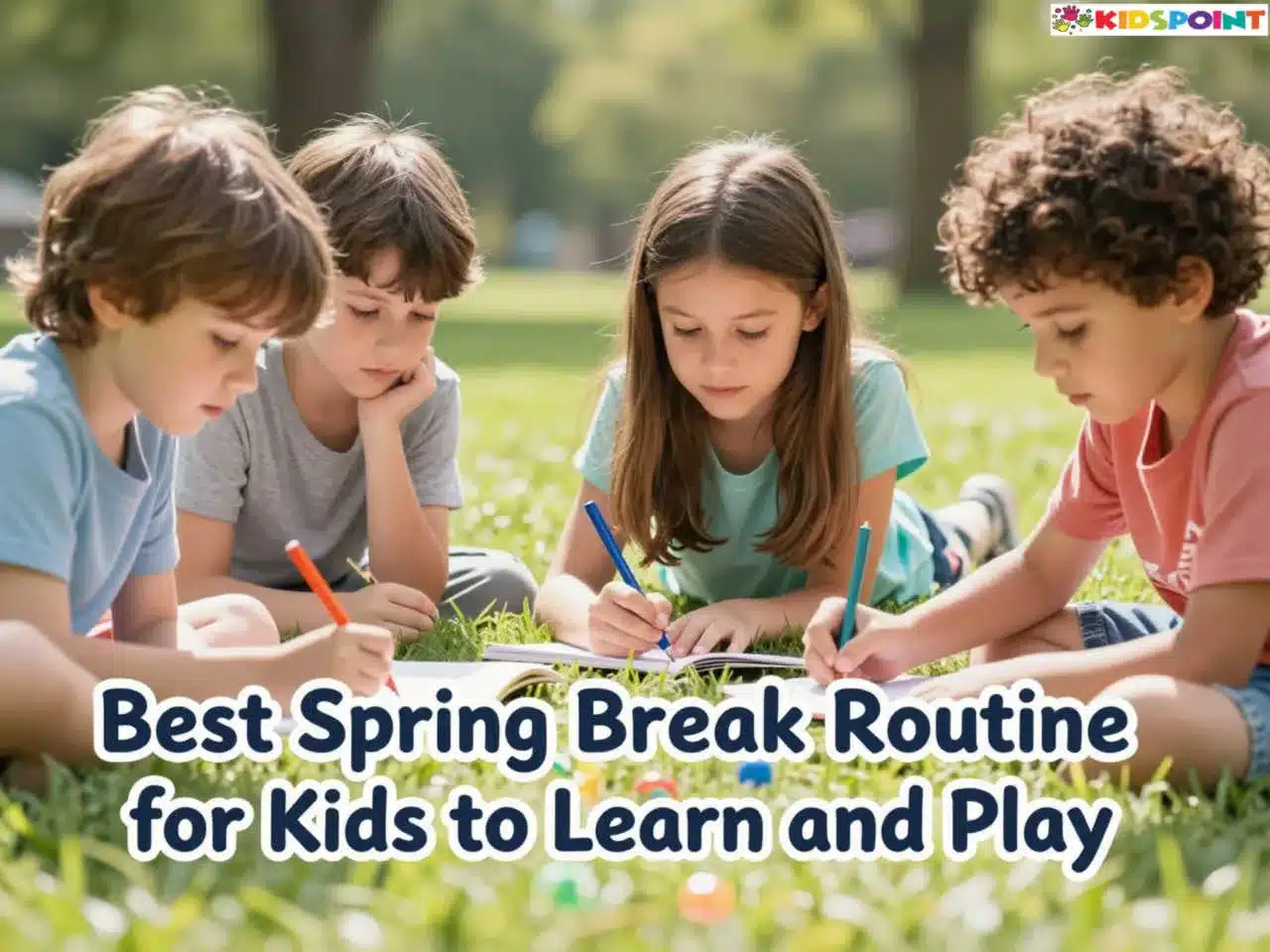
Spring break is one of the most exciting times of the year for children. After weeks of schoolwork, homework, and structured schedules, kids finally get a chance to relax and enjoy a well-deserved break. While free time is important, having a simple daily routine can help children stay active, continue learning, and make the most of their vacation. A balanced spring break routine combines fun, creativity, physical activity, and educational experiences without making the days feel overly structured.
At The Kids Point, we believe spring break is the perfect opportunity for children to explore new interests, strengthen family bonds, and develop healthy habits. Whether your child enjoys outdoor adventures, arts and crafts, reading, or science experiments, a thoughtful routine can turn every day into an exciting learning experience.
Why Kids Benefit from a Spring Break Routine
Many parents think vacations should be completely free from schedules, but children often thrive with a little structure. A flexible routine helps kids know what to expect while leaving plenty of room for spontaneous fun.
Some benefits include:
- Reduces boredom and excessive screen time
- Encourages healthy sleep habits
- Keeps learning skills fresh before returning to school
- Promotes physical activity
- Builds independence and responsibility
- Creates opportunities for family bonding
- Supports emotional well-being
The goal isn’t to recreate the school day—it is to provide a healthy balance between learning, relaxation, and play.
Start the Day with a Healthy Morning Routine
A productive day begins with a consistent morning routine. Children don’t need to wake up as early as they do for school, but sleeping until noon can disrupt healthy habits.
A great morning routine includes:
- Wake up at the same time each day
- Make the bed
- Brush teeth and wash up
- Eat a nutritious breakfast
- Spend a few minutes stretching or doing light exercise
- Review the day’s fun activities
Beginning each day positively helps children stay energized and motivated.
Enjoy a Nutritious Breakfast
Breakfast fuels children’s bodies and brains for an active day.
Healthy breakfast ideas include:
- Oatmeal with fruit
- Whole-grain toast and eggs
- Yogurt with berries
- Smoothies with spinach and bananas
- Whole-grain pancakes
- Fresh fruit with peanut butter
Let kids help prepare breakfast to build confidence and basic cooking skills.
Add Daily Reading Time
Reading during spring break prevents the “learning slide” that sometimes happens during school vacations.
Ways to make reading enjoyable:
- Visit the local library
- Let children choose their own books
- Read together as a family
- Create a cozy reading corner
- Listen to audiobooks
- Act out favorite stories
Even 20–30 minutes of reading each day helps strengthen vocabulary, comprehension, and imagination.
Keep Learning Fun
Learning doesn’t have to involve textbooks. Spring break offers endless opportunities to explore new subjects through play.
Fun educational activities include:
- Nature observation journals
- Building with LEGO
- Educational puzzles
- Cooking with measuring practice
- Science experiments
- Learning basic coding
- Geography games
- Math treasure hunts
Children often learn best when they’re having fun.
Spend Plenty of Time Outdoors
Fresh air and sunshine support both physical and mental health.
Outdoor spring break ideas include:
- Nature walks
- Bike rides
- Family hikes
- Playground visits
- Gardening
- Sidewalk chalk art
- Soccer
- Frisbee
- Flying kites
- Outdoor scavenger hunts
Outdoor play also improves coordination, balance, and creativity.
Plan Creative Arts and Crafts
Creativity helps children express emotions while developing fine motor skills.
Easy spring crafts include:
- Paper flowers
- Painted rocks
- Homemade bird feeders
- Spring greeting cards
- Nature collages
- Finger painting
- Clay sculptures
- Recycled art projects
Display completed artwork around the house to celebrate your child’s creativity.
Include STEM Activities
Spring break is an excellent time to introduce exciting science, technology, engineering, and math activities.
Try:
- Building bridges with popsicle sticks
- Volcano experiments
- Balloon-powered cars
- Homemade slime
- Magnet investigations
- Water filtration projects
- Egg drop challenges
- Paper airplane competitions
Hands-on projects make STEM subjects exciting and memorable.
Practice Everyday Life Skills
School vacations are ideal for teaching practical skills children will use throughout life.
Age-appropriate life skills include:
- Folding laundry
- Organizing toys
- Watering plants
- Setting the dinner table
- Washing dishes
- Preparing simple snacks
- Feeding pets
- Budgeting allowance
These activities encourage responsibility and independence.
Schedule Quiet Time
Kids need downtime just as much as active play.
Quiet-time activities include:
- Reading
- Journaling
- Coloring
- Listening to calming music
- Building puzzles
- Meditation for kids
- Drawing
- Independent play
A calm afternoon helps children recharge for evening activities.
Encourage Family Game Time
Games teach valuable life skills while creating wonderful memories.
Try:
- Board games
- Card games
- Charades
- Bingo
- Trivia challenges
- Puzzle races
- Building competitions
Family game nights promote teamwork, communication, and laughter.
Explore Nature Every Week
Spring offers beautiful opportunities to connect with nature.
Ideas include:
- Bird watching
- Butterfly spotting
- Collecting leaves
- Visiting botanical gardens
- Nature photography
- Cloud watching
- Pond exploration
- Plant identification
Nature exploration encourages curiosity and appreciation for the environment.
Limit Screen Time
Technology can be part of spring break, but balance is important.
Helpful tips:
- Set daily screen limits
- Encourage educational apps
- Watch documentaries together
- Avoid screens during meals
- Create screen-free afternoons
- Replace idle screen time with hobbies
Children benefit most when screens support learning instead of replacing active play.
Healthy Snack Breaks
Nutritious snacks keep energy levels steady throughout the day.
Great snack ideas:
- Apple slices
- Carrot sticks
- Cheese cubes
- Trail mix
- Popcorn
- Yogurt
- Fresh berries
- Whole-grain crackers
Invite kids to help prepare healthy snacks for extra learning opportunities.
Make Time for Physical Exercise
Daily movement supports growing bodies and minds.
Activities include:
- Dance parties
- Jump rope
- Yoga for kids
- Obstacle courses
- Basketball
- Swimming
- Running races
- Family walks
Aim for at least an hour of physical activity every day.
Visit Local Attractions
Spring break doesn’t require expensive vacations.
Affordable outings include:
- Museums
- Zoos
- Nature centers
- Farms
- Aquariums
- Community parks
- Historical sites
- Farmers markets
These experiences make learning exciting outside the classroom.
Build Social Skills
Encourage safe opportunities for children to interact with others.
Ideas include:
- Playdates
- Community events
- Sports clubs
- Library programs
- Neighborhood games
- Volunteer activities
Positive social experiences strengthen communication and teamwork.
Keep a Spring Break Journal
Journaling helps children reflect on daily experiences.
They can write about:
- Favorite activities
- New things learned
- Funny moments
- Drawings
- Nature observations
- Family adventures
The journal becomes a wonderful keepsake after the break ends.
Sample Spring Break Daily Routine
Here’s a balanced schedule families can customize:
| Time | Activity |
| 8:00 AM | Wake up and morning routine |
| 8:30 AM | Healthy breakfast |
| 9:00 AM | Reading time |
| 9:30 AM | Educational activity |
| 10:30 AM | Outdoor play |
| 12:00 PM | Lunch |
| 1:00 PM | Quiet time |
| 2:00 PM | Arts, crafts, or STEM project |
| 3:30 PM | Healthy snack |
| 4:00 PM | Sports or free play |
| 6:00 PM | Family dinner |
| 7:00 PM | Family games or movie |
| 8:00 PM | Bath and bedtime reading |
| 8:30 PM | Sleep |
Remember, flexibility is key. Adjust the schedule based on your child’s age and interests.
Tips for Parents
Parents play a major role in creating a successful spring break.
Helpful suggestions:
- Plan activities together.
- Leave room for spontaneous fun.
- Praise effort instead of perfection.
- Rotate activities to prevent boredom.
- Include your child’s interests.
- Encourage independence.
- Stay positive and patient.
- Focus on creating memories rather than following a perfect schedule.
Children enjoy routines most when they feel involved in planning them.
Common Mistakes to Avoid
Even with the best intentions, some habits can reduce the benefits of spring break.
Avoid:
- Overscheduling every hour
- Allowing unlimited screen time
- Ignoring sleep routines
- Filling every day with expensive outings
- Forgetting quiet time
- Comparing siblings’ interests
- Expecting perfection
A relaxed, balanced routine creates the happiest experience.
Preparing for the Return to School
A few days before school starts:
- Gradually return to the school bedtime.
- Organize school supplies.
- Talk positively about returning to class.
- Review reading and math skills.
- Prepare lunches and backpacks.
- Celebrate the fun memories made during spring break.
This smooth transition reduces stress for both children and parents.
Spring Break Routine Questions Every Parent Asks
How much learning should kids do during spring break?
About 20–45 minutes of fun educational activities each day is usually enough to keep skills sharp without making the break feel like school.
Should kids have screen time every day?
Yes, in moderation. Prioritize educational content and balance it with outdoor play, creative projects, and family interaction.
What if the weather is bad?
Indoor activities like crafts, STEM experiments, reading, puzzles, yoga, baking, and family games can keep children entertained and learning.
How can I prevent my child from getting bored?
Rotate activities, involve children in planning their schedule, encourage creativity, and mix indoor and outdoor experiences throughout the week.
Is it okay to skip the routine occasionally?
Absolutely. A spring break routine should be flexible. Special trips, family events, or rest days can easily fit into the schedule without disrupting its overall benefits.
A well-planned spring break routine gives children the best of both worlds: the freedom to relax and the opportunity to continue growing. By combining reading, outdoor adventures, creative projects, life skills, physical activity, and quality family time, parents can create meaningful experiences that children will remember long after the vacation ends.
At The Kids Point, we encourage families to view spring break as more than just time away from school. It’s a chance to nurture curiosity, build confidence, strengthen relationships, and inspire a lifelong love of learning through everyday moments of fun and exploration.