

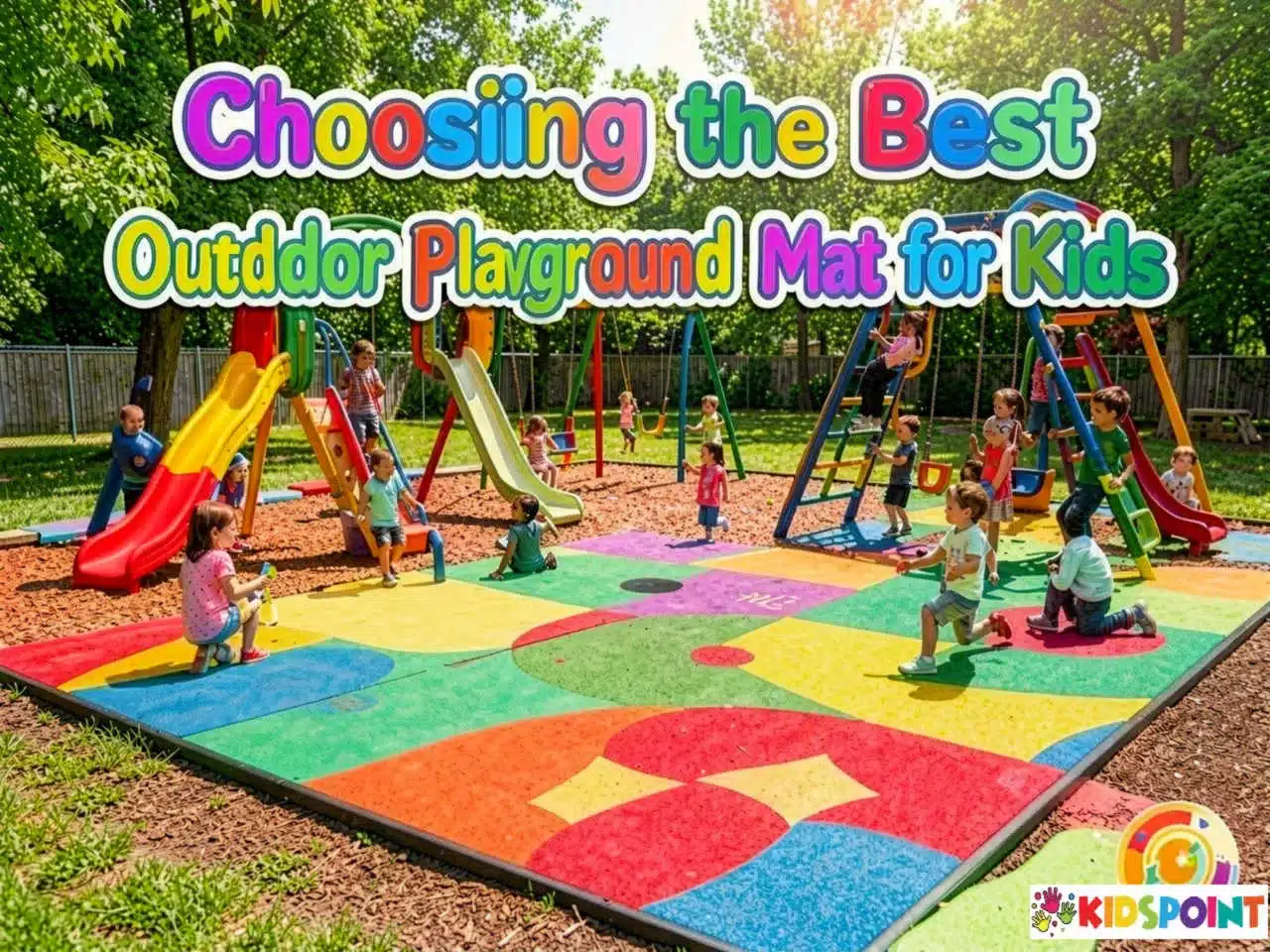
Outdoor play is an essential part of childhood development. It gives children the opportunity to stay active, improve coordination, build social skills, and explore the world around them. Whether kids are climbing, running, jumping, or simply enjoying games with friends, outdoor spaces encourage healthy growth and creativity. However, creating a safe play environment is just as important as providing engaging activities. One of the most critical elements of any play area is the surface beneath children’s feet.
Falls and slips are common during play, especially when children are energetic and adventurous. While minor tumbles are often part of learning and growing, choosing the right outdoor playground mat can significantly reduce the risk of injuries. A quality playground mat not only improves safety but also enhances comfort, durability, and the overall experience of outdoor play.
At The Kids Point, creating environments where children can play safely and confidently is always a priority. Understanding how to choose the right outdoor playground mat helps parents, schools, daycare centers, and playground planners make informed decisions that support both fun and safety.
Why Outdoor Playground Mats Matter
Playground mats serve as a protective surface designed to cushion impacts and provide stability for children during play. Hard surfaces such as concrete, asphalt, or compacted ground can increase the severity of injuries when children fall. A properly selected mat creates a softer landing area and minimizes risks.
Beyond injury prevention, outdoor mats offer several additional benefits:
- Improved comfort for children during play
- Better traction and slip resistance
- Enhanced durability for outdoor spaces
- Reduced maintenance requirements
- Cleaner play environments
- Weather resistance in various climates
Outdoor playground mats are especially valuable beneath equipment such as swings, slides, climbing frames, monkey bars, and play structures where children frequently land or move around.
Factors to Consider When Choosing an Outdoor Playground Mat
Selecting the best playground mat involves more than choosing an attractive design. Several important factors influence performance, safety, and long-term value.
Safety and Shock Absorption
Safety should always come first when evaluating playground flooring options. One of the primary purposes of a playground mat is to absorb impact from falls.
Look for mats with adequate thickness and shock-absorbing properties. Thicker mats generally provide better cushioning and can help reduce injuries from higher fall distances. Different play structures require different levels of impact protection.
For example:
- Lower play areas may need moderate cushioning
- Climbing structures often require stronger impact absorption
- Swing zones may require specialized protection due to repetitive movement
The mat should meet recognized safety standards whenever possible.
Material Quality
Playground mats come in various materials, each offering unique advantages.
Rubber Mats
Rubber playground mats are among the most popular choices. They provide excellent impact absorption, durability, and weather resistance.
Advantages include:
- Strong cushioning effect
- Slip resistance
- Long lifespan
- Low maintenance
- Resistance to moisture
Rubber mats can also be made from recycled materials, making them an environmentally friendly option.
Foam Mats
Foam mats are soft and comfortable but are generally more suitable for indoor or lightly used spaces. Outdoor conditions can sometimes reduce their durability over time.
Advantages include:
- Lightweight design
- Comfortable surface
- Easy installation
Limitations include lower weather resistance compared to rubber alternatives.
Artificial Grass with Padding
Some playgrounds combine artificial grass with padded underlayers.
Advantages include:
- Natural appearance
- Comfortable feel
- Good drainage
This option often creates an attractive play environment while maintaining safety.
Interlocking Mats
Interlocking mats feature puzzle-like designs that connect together.
Advantages include:
- Easy installation
- Flexible layouts
- Simple replacement of damaged sections
These mats work well for customizable play areas.
Weather Resistance
Outdoor playground surfaces constantly face environmental conditions such as:
- Sun exposure
- Rain
- Heat
- Wind
- Temperature changes
The ideal playground mat should withstand these elements without cracking, fading, or deteriorating quickly.
UV-resistant materials help prevent color fading and damage caused by sunlight. Water-resistant surfaces also reduce moisture buildup and prevent mold growth.
If you live in areas with heavy rainfall or extreme temperatures, weather resistance becomes even more important.
Slip Resistance
Children often run and play at high speeds without paying much attention to the ground beneath them. Wet surfaces can become dangerous if they are slippery.
Choose mats with textured or non-slip surfaces that provide secure footing. This helps reduce accidents during active play.
Slip resistance is especially valuable near:
- Water play areas
- Swimming pool playgrounds
- Rain-exposed play spaces
- School playgrounds
A stable surface gives children greater confidence while moving and playing.
Durability and Longevity
Outdoor playground mats represent a long-term investment. While lower-cost options may seem attractive initially, poor-quality materials often require replacement much sooner.
Consider:
- Expected daily usage
- Number of children using the space
- Environmental exposure
- Maintenance requirements
Schools and daycare centers with heavy traffic should prioritize highly durable materials that can withstand constant use.
Strong materials maintain their shape and performance over time, reducing replacement costs.
Drainage Capability
Water accumulation can create safety hazards and damage playground surfaces.
Good playground mats should allow efficient drainage so water does not remain trapped underneath or on the surface.
Proper drainage helps:
- Prevent slippery conditions
- Reduce mold growth
- Improve cleanliness
- Increase mat lifespan
Perforated rubber mats are commonly used because they allow rainwater to pass through easily.
Easy Installation
Installation requirements vary depending on the type of mat selected.
Some systems require professional installation, while others are suitable for simple do-it-yourself setups.
Common installation methods include:
Loose-Lay Mats
These mats can simply be placed on prepared surfaces.
Benefits include:
- Fast installation
- Easy movement
- Lower labor costs
Interlocking Systems
Interlocking designs connect together without adhesives.
Benefits include:
- Flexible sizing
- Easy replacement
- Secure connections
Permanently Installed Systems
These systems involve adhesives or professional placement.
Benefits include:
- Long-term stability
- Seamless appearance
- Strong performance
Consider your budget, timeline, and maintenance expectations when selecting an installation method.
Maintenance Requirements
Playground surfaces should remain clean and functional throughout the year.
Low-maintenance options save time and money over the long term.
Typical maintenance tasks include:
- Sweeping debris
- Washing surfaces
- Inspecting for damage
- Replacing worn sections
Rubber mats generally require minimal maintenance compared to other materials.
Regular inspections help identify:
- Cracks
- Loose edges
- Surface wear
- Drainage problems
Addressing small issues early prevents larger problems later.
Choosing Mats Based on Playground Type
Different playground settings often have unique needs.
Home Playgrounds
Families creating backyard play areas typically prioritize:
- Safety
- Affordability
- Easy installation
- Attractive appearance
Interlocking rubber mats often work well for home environments.
School Playgrounds
Schools usually experience high levels of activity and foot traffic.
Important factors include:
- Maximum durability
- High impact absorption
- Low maintenance
- Large-area coverage
Heavy-duty rubber systems often perform best.
Daycare Centers
Daycare environments involve younger children who may require softer surfaces.
Consider:
- Extra cushioning
- Easy cleaning
- Bright designs
- Safe materials
Public Playgrounds
Public spaces must withstand heavy daily use and changing weather conditions.
Important features include:
- Strong durability
- Vandal resistance
- Long lifespan
- Compliance with safety standards
Environmental Considerations
Many organizations and families prefer environmentally responsible products.
Recycled rubber mats are increasingly popular because they help reduce waste while providing excellent performance.
Environmentally friendly playground surfaces may offer benefits such as:
- Reduced environmental impact
- Sustainable manufacturing
- Lower waste production
- Long-term usability
Sustainability and child safety can work together when choosing modern playground materials.
Common Mistakes to Avoid
When selecting playground mats, people sometimes focus only on appearance or cost while overlooking important performance factors.
Avoid these common mistakes:
Choosing Price Over Safety
Cheaper products may save money initially but can lead to higher long-term costs and reduced protection.
Ignoring Fall Height Requirements
Different play equipment heights require different impact ratings.
Always consider how high children may fall.
Overlooking Drainage
Poor drainage can create slippery and unsanitary conditions.
Selecting Inappropriate Materials
Some materials perform well indoors but deteriorate outdoors.
Forgetting Maintenance Needs
Even durable surfaces require occasional care.
Planning for maintenance ensures long-term performance.
Tips for Creating a Safer Outdoor Play Area
In addition to selecting quality playground mats, several practices can improve overall safety.
Keep equipment regularly inspected and maintained. Ensure play structures remain stable and secure. Remove debris and obstacles from play areas. Supervise children appropriately based on their age and activity level.
Also consider age-specific zones. Younger children often benefit from separate play spaces designed for their developmental stage.
Combining proper supervision with safe surfaces creates a stronger foundation for enjoyable play experiences.
Common Questions About Outdoor Playground Mats
Why are outdoor playground mats important?
Outdoor playground mats help reduce injury risks by providing cushioning and a safer surface for children during play.
Which material is best for outdoor playground mats?
Rubber mats are often considered the best option because they are durable, slip-resistant, and provide excellent shock absorption.
How thick should a playground mat be?
The ideal thickness depends on the height of play equipment and the level of impact protection required.
Are outdoor playground mats weather-resistant?
Most high-quality outdoor mats are designed to withstand rain, sunlight, and changing weather conditions.
How do I maintain outdoor playground mats?
Regular cleaning, removing debris, and checking for damage can help keep playground mats safe and long-lasting.
Outdoor play encourages children to stay active, learn new skills, and build confidence. However, safety should remain a central consideration in every play environment. Choosing the best outdoor playground mat requires careful attention to factors such as impact absorption, material quality, weather resistance, drainage, durability, and maintenance requirements.
The right mat does much more than simply cover the ground. It creates a supportive and secure environment where children can explore, learn, and enjoy themselves with greater freedom.
At The Kids Point, supporting safe and engaging experiences for children means understanding the importance of every detail in a play environment. By investing time in selecting the right outdoor playground mat, parents and organizations can create spaces where children can enjoy active play with comfort, protection, and confidence for years to come.