

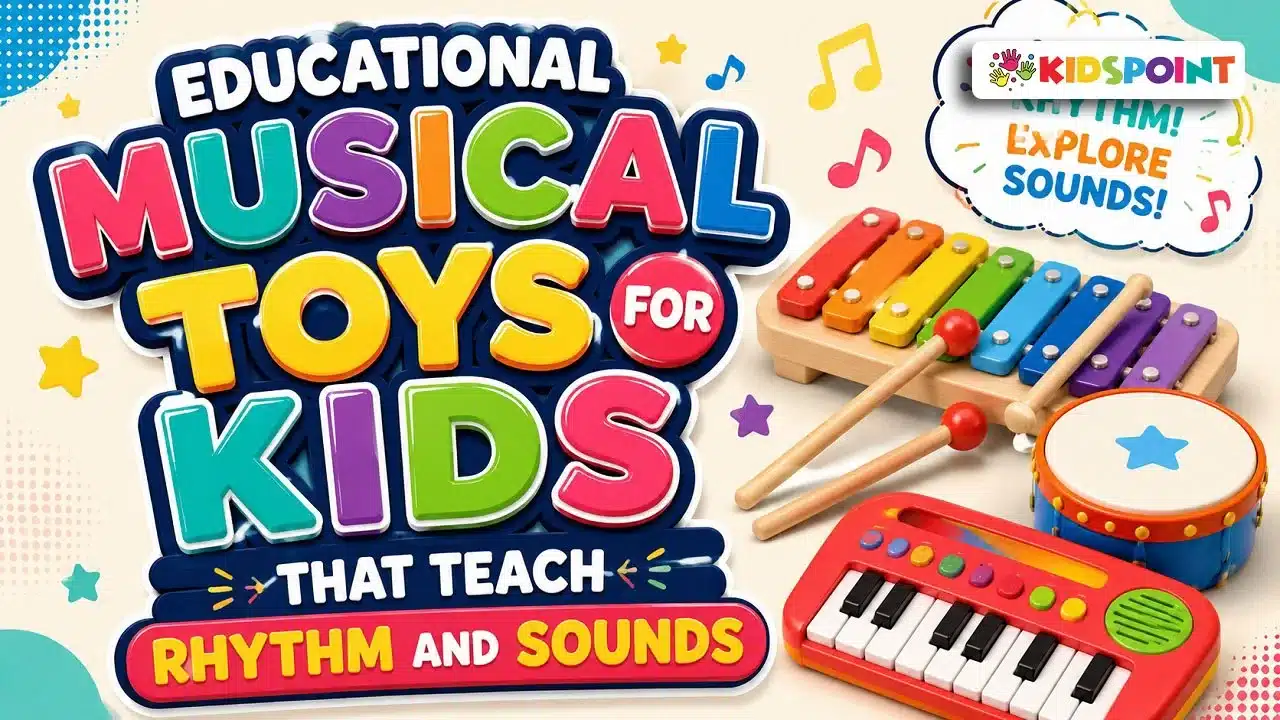
In today’s fast-paced digital world, parents are constantly searching for engaging ways to support early childhood development. One of the most effective and enjoyable methods is through educational musical toys for kids. These toys are not just fun; they help children develop rhythm, coordination, auditory skills, and emotional expression from an early age.
In this comprehensive guide, we will explore how musical play supports brain development, which types of musical toys are most beneficial, and how parents can choose the right musical toys for kids to enhance learning. Whether you have a preschooler just discovering sound or an older child exploring instruments, this article will help you make informed choices that combine fun and education.
Why Educational Musical Toys for Kids Are Important for Early Development
Music plays a powerful role in early childhood development. Research from neuroscience and child psychology shows that exposure to rhythm and sound improves cognitive skills, language development, and emotional intelligence. This is why educational musical toys for kids are widely recommended by educators and early learning experts.
When children interact with sound-based toys, they are not just playing. They are learning cause and effect, improving memory retention, and strengthening motor skills. For example, when a child presses a drum pad and hears a beat, they immediately connect action with result, which is essential for cognitive development.
Key developmental benefits include:
- Improved hand-eye coordination through instrument play
- Better listening and auditory discrimination skills
- Enhanced memory and pattern recognition
- Emotional expression through rhythm and sound
- Early introduction to musical concepts like tempo and pitch
In addition, interactive music experiences help children build confidence and reduce anxiety, making learning both enjoyable and meaningful.
Types of Educational Musical Toys for Kids That Boost Learning
Choosing the right musical toy depends on your child’s age, interest, and developmental stage. Today’s market offers a wide range of interactive music toys for kids that support different learning outcomes.
1. Percussion-Based Toys for Rhythm Development
Percussion toys like drums, tambourines, and shakers are excellent for teaching rhythm. These toys allow children to explore beats, timing, and coordination naturally.
They help kids:
- Understand basic rhythm patterns
- Develop motor skills through repetitive motion
- Build timing awareness in music and movement
Simple drum sets designed for toddlers are especially effective for introducing structured sound play.
2. Keyboard and Piano Toys for Sound Exploration
Toy pianos and electronic keyboards introduce children to melody and pitch. Many models include lights, songs, and guided learning modes that make music theory more accessible.
Benefits include:
- Recognition of musical notes
- Introduction to scales and melodies
- Improved finger dexterity and coordination
These toys are often recommended for preschoolers because they blend entertainment with structured learning.
3. Interactive Electronic Music Toys for Engagement
Modern interactive music toys for kids often include microphones, recording features, and built-in songs. These toys encourage children to sing, record, and replay their voices.
They help children:
- Build confidence in self-expression
- Learn rhythm through guided beats
- Develop listening and repetition skills
Interactive toys are particularly useful for group play, helping children collaborate and perform together.
4. Wind Instruments for Breath Control and Focus
Simple flutes, harmonicas, and whistles help children develop breath control and concentration. These instruments introduce them to sound variation based on airflow.
Key advantages:
- Improved respiratory control
- Better focus and patience
- Early introduction to melody creation
These instruments are often used in early music education programs.
How Educational Musical Toys Support Brain and Emotional Growth
Music-based play is deeply connected to brain development. When children engage with educational musical toys for kids, both hemispheres of the brain are activated simultaneously. This strengthens neural connections related to creativity, language, and problem-solving.
Cognitive Development Benefits
Musical play enhances:
- Pattern recognition and sequencing skills
- Early math concepts like counting beats
- Memory retention through repetition
Children who engage in music early often show improved academic performance later in life.
Emotional and Social Development
Music is also a powerful emotional outlet. Children often express feelings through rhythm and sound when they cannot verbalize emotions.
Benefits include:
- Stress relief and emotional regulation
- Increased empathy through group musical play
- Better communication skills
In group settings, children learn cooperation, turn-taking, and shared creativity.
How to Choose the Best Educational Musical Toys for Kids
Selecting the right toy requires attention to safety, educational value, and engagement level. Not all toys labeled “musical” provide real learning benefits.
Here are key factors to consider:
Age Appropriateness
Always choose toys that match your child’s developmental stage. For example:
- Toddlers: Simple shakers, drums, soft keyboards
- Preschoolers: Mini pianos, xylophones, interactive toys
- Older kids: More complex instruments or learning kits
Safety and Material Quality
Ensure toys are made from non-toxic, durable materials. Avoid sharp edges and small detachable parts for younger children.
Educational Value
Look for toys that teach:
- Rhythm and timing
- Musical notes and pitch
- Creativity and improvisation
Engagement Level
The best toys keep children engaged for long periods without frustration. Interactive features, lights, and sound variations increase interest.
Benefits of Interactive Music Toys for Kids in Learning Environments
In classrooms and learning centers, interactive music toys for kids are becoming essential teaching tools. Educators use them to introduce basic music theory and improve classroom engagement.
Benefits in educational settings include:
- Encouraging active participation in group learning
- Supporting children with different learning styles
- Enhancing focus and attention span
- Making lessons more enjoyable and memorable
For example, teachers often use rhythm games to teach counting or language patterns, making abstract concepts easier to understand.
Real-Life Examples of Musical Learning in Action
Many preschools in the USA integrate music-based learning into their daily curriculum. A common activity includes rhythm circles, where children use drums or clapping patterns to follow instructions.
Another example is music storytelling, where children use instruments to represent characters or emotions in a story. This helps improve comprehension and creativity at the same time.
Parents at home can also recreate similar activities using simple toys, such as:
- Clapping games for rhythm learning
- Singing with toy microphones
- Creating sound patterns using household objects
Frequently Asked Questions (FAQs)
What are educational musical toys for kids?
Educational musical toys for kids are toys designed to teach rhythm, sound recognition, and basic music skills while children play and have fun.
At what age should children start using musical toys?
Children can start using simple musical toys as early as 6 months, with more structured toys introduced around age 2 to 4.
Do musical toys really help brain development?
Yes, studies show that music-based play improves memory, coordination, language skills, and emotional development in early childhood.
What are the best musical toys for beginners?
Drums, xylophones, toy pianos, and simple shakers are excellent beginner-friendly options for young children.
Are interactive music toys better than traditional toys?
Interactive music toys for kids often provide more engagement and learning features, but traditional instruments are equally valuable for foundational skills.
How do musical toys improve social skills?
Group music play encourages sharing, teamwork, and communication, helping children develop stronger social interactions.
Educational musical toys for kids are more than just entertainment. They are powerful learning tools that support cognitive, emotional, and social development from an early age. By introducing rhythm, sound, and creativity into playtime, parents can help children build essential life skills in a fun and engaging way.
Whether you choose drums, keyboards, or interactive music toys, the key is to encourage exploration and enjoyment. Every sound your child creates is a step toward better learning and creativity.
For high-quality learning resources and more educational ideas, visit The Kids Point and explore expert-designed content that supports your child’s growth and development.