

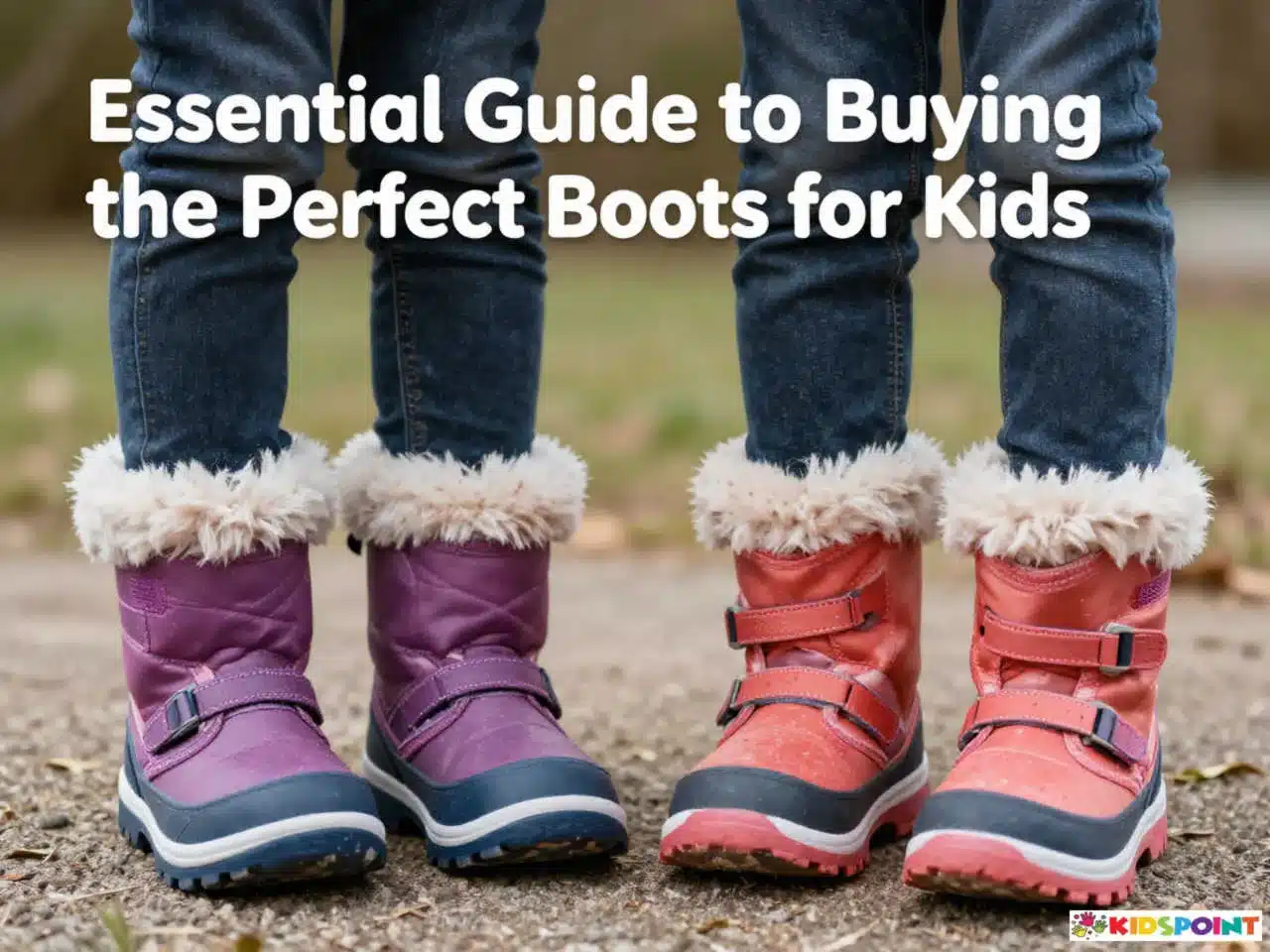
Parents know that choosing the right footwear is about far more than style. A well-made pair of boots protects growing feet, supports healthy movement, and keeps children comfortable through every adventure. Whether your child is heading to school, playing in the park, hiking with the family, or splashing through rainy weather, the right boots can make all the difference.
With so many materials, designs, sizes, and features available, shopping for children’s boots can quickly become overwhelming. This comprehensive guide from The Kids Point explains everything parents should know before purchasing boots for kids. From understanding proper fit to selecting the right materials and seasonal features, you’ll learn how to make a smart investment that keeps your child comfortable, safe, and ready for every adventure.
Why Choosing the Right Boots Matters
Children’s feet grow rapidly, and poorly fitting footwear can cause discomfort, affect posture, and even contribute to foot problems over time. Proper boots provide support while allowing natural movement, helping kids stay active without pain or fatigue.
Well-designed boots also offer protection against changing weather, rough terrain, and everyday wear. Whether your child is running across a playground or exploring a hiking trail, supportive boots improve stability and reduce the risk of slips and falls.
Investing in quality footwear means better durability, greater comfort, and fewer replacements throughout the season.
Understanding Different Types of Kids’ Boots
Not every boot is designed for the same purpose. Understanding the different categories helps parents choose footwear suited to their child’s activities.
Winter Boots
Winter boots provide insulation to keep feet warm during cold temperatures. They often feature waterproof exteriors, thick linings, and non-slip rubber soles for walking safely on snow and ice.
Rain Boots
Rain boots are made from waterproof rubber or similar materials to keep feet dry during wet weather. Lightweight rain boots with flexible construction allow children to jump in puddles while remaining comfortable.
Hiking Boots
Young outdoor explorers benefit from hiking boots that offer ankle support, durable soles, and excellent traction. These boots protect growing feet on uneven terrain while providing stability.
Everyday Casual Boots
Casual boots are designed for school, family outings, and everyday wear. They balance comfort, durability, and style while pairing easily with different outfits.
Fashion Boots
Fashion boots add personality to children’s wardrobes without sacrificing comfort. Parents should ensure these boots still provide proper cushioning and support for daily use.
Prioritize Comfort Above Everything Else
Comfort should always be the first consideration when buying boots for children.
A comfortable boot encourages active play and prevents complaints of sore feet. Look for features such as:
- Soft interior lining
- Flexible midsoles
- Cushioned footbeds
- Lightweight construction
- Smooth interior seams
- Breathable materials
Children often cannot describe discomfort clearly, making it essential for parents to carefully evaluate the overall fit and feel.
Finding the Perfect Fit
One of the biggest mistakes parents make is buying boots that are either too large or too small.
A proper fit includes:
- Enough room to wiggle the toes
- Snug heel placement without slipping
- Comfortable width across the forefoot
- Secure ankle support
- No pressure points
Most experts recommend leaving approximately half an inch of growing room while avoiding boots that are excessively oversized.
Children should always try on boots while wearing the socks they will normally use.
Measuring Your Child’s Feet Correctly
Since children’s feet grow quickly, measurements should be updated every few months.
Measure both feet because one foot is often slightly larger than the other. Always purchase boots based on the larger foot.
Shopping later in the day provides the most accurate measurement because feet naturally expand after hours of activity.
Choosing the Right Materials
The material affects durability, comfort, flexibility, and weather protection.
Leather
Leather offers excellent durability and naturally molds to the foot over time. It provides reliable support while remaining breathable.
Synthetic Materials
Modern synthetic fabrics are lightweight, affordable, and often waterproof. Many are easy to clean and dry quickly.
Rubber
Rubber remains the preferred choice for rain boots due to its waterproof properties and flexibility.
Insulated Fabrics
Winter boots frequently include insulated materials that trap body heat without adding excessive weight.
Waterproof vs. Water-Resistant Boots
Many parents confuse these two terms.
Waterproof boots completely block water from entering, making them ideal for heavy rain, snow, and muddy conditions.
Water-resistant boots repel light moisture but may not remain dry during prolonged exposure.
Choose waterproof boots whenever children regularly play outdoors in wet conditions.
Importance of Good Traction
Children run, climb, jump, and explore constantly.
Boots with deep tread patterns improve grip on slippery sidewalks, wet playgrounds, muddy trails, and snowy surfaces.
Rubber outsoles generally provide the best combination of flexibility and traction.
Lightweight Boots Keep Kids Active
Heavy boots can tire young legs quickly.
Lightweight construction helps children move naturally while reducing fatigue during long school days or outdoor adventures.
Modern materials allow manufacturers to produce warm, supportive boots without unnecessary weight.
Ankle Support for Active Children
Boots that extend slightly above the ankle provide additional stability.
This becomes especially important for hiking, sports, playground activities, and uneven terrain where ankle injuries are more likely.
However, boots should never feel stiff enough to restrict normal walking.
Easy On and Off Features
Busy mornings become much easier when children can put on their own boots.
Helpful closure systems include:
- Velcro straps
- Elastic side panels
- Pull tabs
- Zippers
- Speed laces
- Adjustable toggles
These features also encourage independence among younger children.
Breathability Matters
Warm feet are good.
Sweaty feet are not.
Breathable materials allow air circulation that reduces moisture buildup, preventing unpleasant odors and improving overall comfort.
Children who wear boots all day particularly benefit from moisture-managing linings.
Selecting Boots for Different Seasons
Every season presents unique footwear needs.
Spring: Water-resistant casual boots handle changing weather while remaining lightweight.
Summer: Breathable hiking boots work well for camping and outdoor adventures.
Autumn: Flexible leather or synthetic boots provide comfort during cooler temperatures.
Winter: Insulated waterproof boots protect against snow, slush, and freezing temperatures.
Durability Saves Money
Children are hard on footwear.
Reinforced toe caps, strong stitching, durable soles, and quality materials significantly extend the life of boots.
Although premium boots may cost more initially, they often last much longer than inexpensive alternatives.
Safety Features Worth Considering
Modern kids’ boots often include additional safety features such as:
- Reflective strips for nighttime visibility
- Slip-resistant soles
- Reinforced toes
- Waterproof membranes
- Shock-absorbing midsoles
- Protective heel counters
These features contribute to safer everyday adventures.
Style Still Matters
While comfort remains the priority, children enjoy expressing themselves through colorful footwear.
Fortunately, today’s boots come in countless designs featuring:
- Bright colors
- Cartoon characters
- Glitter finishes
- Camouflage prints
- Classic leather styles
- Sport-inspired designs
Allowing children to help choose their boots often increases their excitement about wearing them.
Caring for Kids’ Boots
Proper maintenance extends boot life considerably.
Parents should:
- Clean dirt after outdoor play.
- Allow boots to dry naturally.
- Avoid placing boots directly beside heaters.
- Waterproof leather when recommended.
- Replace worn insoles if necessary.
- Inspect soles for excessive wear.
Regular care helps boots remain comfortable throughout the season.
Common Mistakes Parents Should Avoid
Many purchasing mistakes are easy to prevent.
Avoid:
- Buying oversized boots for “growing room.”
- Ignoring width measurements.
- Choosing style over comfort.
- Forgetting seasonal requirements.
- Purchasing poor-quality materials.
- Skipping traction evaluation.
- Reusing boots that no longer fit.
A little extra attention during shopping prevents many common footwear issues.
When Should Kids Get New Boots?
Children outgrow shoes faster than many parents expect.
Signs that it’s time for replacement include:
- Complaints about foot pain
- Toes touching the front
- Worn-out soles
- Cracked materials
- Reduced traction
- Broken closures
- Heel slipping
Checking boot fit every few months helps ensure continued comfort and support.
Tips for Shopping Online
Buying boots online can be convenient when done carefully.
Always:
- Measure both feet before ordering.
- Read sizing charts carefully.
- Review customer feedback.
- Check return policies.
- Examine product specifications.
- Compare material descriptions.
Reliable retailers provide detailed sizing information that simplifies online purchases.
Making the Best Investment
Quality children’s boots are an investment in both comfort and healthy development.
Rather than focusing solely on price, evaluate:
- Fit
- Comfort
- Material quality
- Durability
- Weather protection
- Traction
- Ease of use
A thoughtfully selected pair of boots supports active lifestyles while reducing the likelihood of discomfort or premature replacement.
Essential Questions About Boots for Kids
How much growing room should kids’ boots have?
About half an inch of extra space is generally recommended without making the boots too loose.
Are waterproof boots necessary for everyday use?
Not always. Waterproof boots are best for rainy, snowy, or muddy conditions, while water-resistant boots work well for light moisture.
How often should children’s feet be measured?
Every three to four months for younger children and at least twice a year for older kids.
Which material is best for kids’ boots?
Leather is highly durable, while synthetic materials are lightweight and often easier to maintain. The best choice depends on your child’s activities.
Can children wear boots all day at school?
Yes, provided the boots are lightweight, breathable, properly fitted, and comfortable for extended wear.
Finding the perfect boots for kids doesn’t have to be difficult. By prioritizing comfort, proper fit, supportive construction, and weather-appropriate features, parents can confidently choose footwear that keeps children safe, comfortable, and ready for every adventure. Whether shopping for winter boots, rain boots, hiking boots, or everyday casual styles, understanding what truly matters helps ensure every purchase is worthwhile.
At The Kids Point, we believe that the right footwear supports healthy growth, encourages active play, and gives children the confidence to explore the world comfortably. By following the tips in this guide, you’ll be well prepared to select boots that meet your child’s needs throughout every season.