

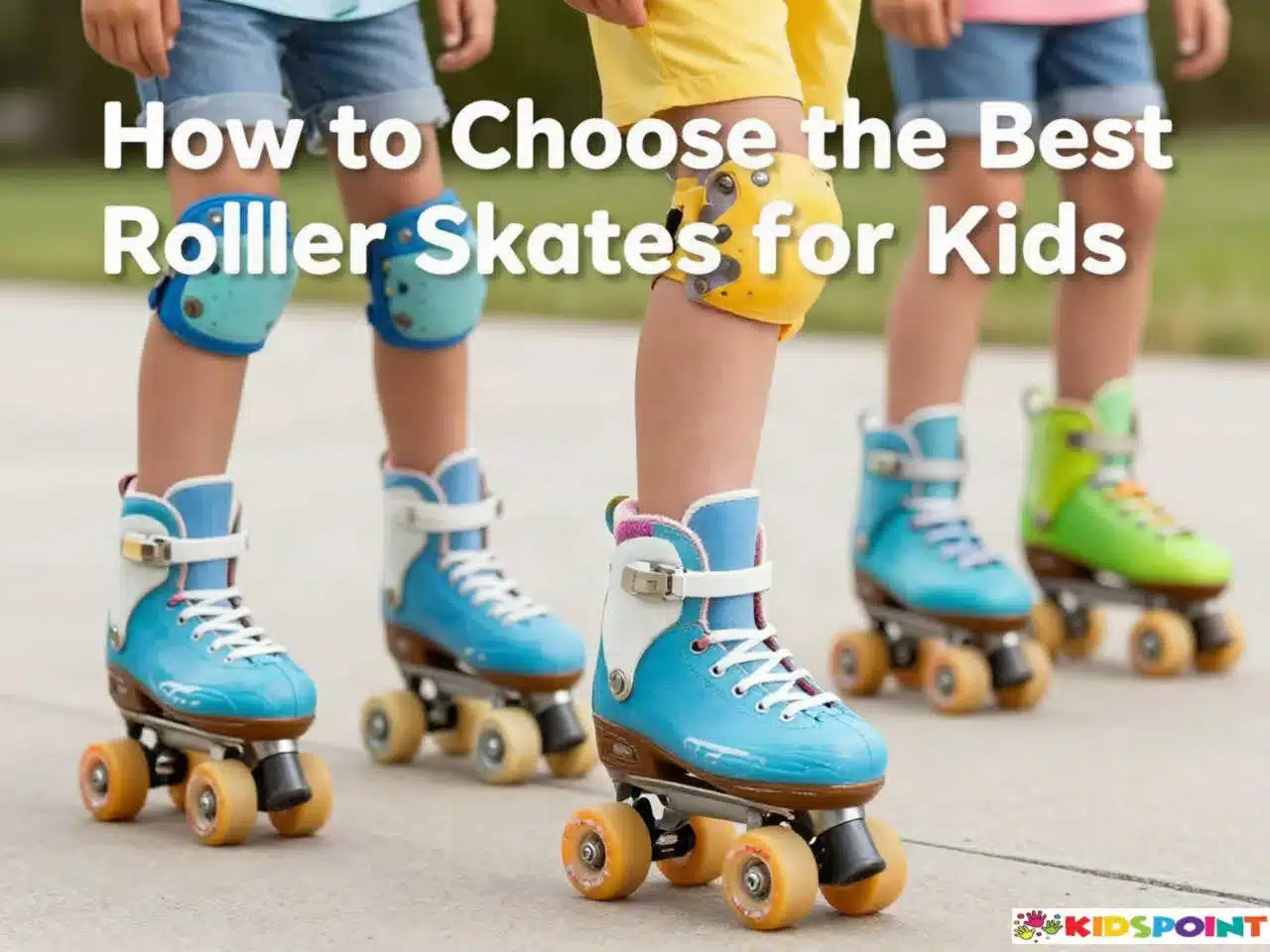
Roller skating is one of the most exciting activities for children. It combines exercise, balance, coordination, and outdoor fun in a way that keeps kids active while building confidence. Whether your child wants to skate around the neighborhood, join friends at a skating rink, or learn a new hobby, choosing the right pair of roller skates is the first step toward a safe and enjoyable experience.
For many parents, shopping for roller skates can feel overwhelming. There are different skate styles, wheel sizes, materials, closure systems, and safety features to consider. Buying the wrong pair may lead to discomfort, poor performance, or even injuries. On the other hand, a well-fitted, high-quality pair of skates can help children learn faster and enjoy skating for years.
At The Kids Point, we believe that selecting roller skates should be about more than appearance. The best roller skates provide the right combination of comfort, support, durability, and safety while matching a child’s age, experience level, and skating goals.
This complete guide explains everything parents need to know before buying roller skates for kids, from understanding skate types to choosing the perfect fit and essential protective gear.
Why Roller Skating Is Great for Kids
Roller skating is more than just a fun pastime. It offers physical, mental, and social benefits that contribute to healthy childhood development.
Improves Balance and Coordination
Learning to skate requires children to control their body movements while maintaining balance. Over time, this strengthens coordination, posture, and overall body awareness.
Encourages Physical Activity
Skating keeps children moving while improving:
- Leg strength
- Core muscles
- Cardiovascular fitness
- Endurance
- Flexibility
Unlike many structured sports, roller skating feels like play, making children more likely to stay active.
Builds Confidence
Every skating milestone—from standing without assistance to mastering turns and stopping—helps children gain confidence through achievement.
Develops Social Skills
Skating at parks, community rinks, or with friends encourages teamwork, patience, communication, and cooperation.
Reduces Screen Time
Outdoor activities naturally reduce the amount of time children spend on electronic devices while encouraging healthy lifestyles.
Understanding the Different Types of Roller Skates
One of the biggest decisions parents face is choosing between different skate styles. Each type is designed for specific purposes and skill levels.
Quad Roller Skates
Quad skates feature four wheels arranged in two side-by-side pairs.
These are the traditional roller skates that many parents remember using during childhood.
Best for
- Beginners
- Young children
- Indoor skating
- Recreational skating
- Learning balance
Advantages
- Excellent stability
- Easier to balance
- Better control at slower speeds
- Great for first-time skaters
For most young beginners, quad skates are the safest option.
Inline Skates (Rollerblades)
Inline skates have wheels arranged in a straight line.
These skates allow faster movement and smoother rides over longer distances.
Best for
- Older children
- Experienced skaters
- Outdoor trails
- Fitness skating
Advantages
- Greater speed
- Better maneuverability
- Smooth ride
- Excellent for advanced skating
Although inline skates are popular, they usually require better balance and stronger ankle control than quad skates.
Choosing the Right Skate Size
One of the most common mistakes parents make is buying skates that are too large so children can “grow into them.”
Unfortunately, oversized skates often make learning much harder.
A properly fitted skate should:
- Feel snug but comfortable
- Keep the heel in place
- Prevent excessive foot movement
- Leave a small amount of toe room
- Support the ankle firmly
If the foot slides inside the boot, children lose stability and control.
Adjustable Roller Skates: Are They Worth It?
Many children’s roller skates feature adjustable sizing.
These skates expand one to four sizes as children grow.
Benefits
- Longer lifespan
- Better value for money
- Easy size adjustments
- Ideal for fast-growing children
Parents with younger kids often find adjustable skates to be the most economical choice.
However, make sure the adjustment mechanism is sturdy and locks securely.
Boot Material Matters
The boot plays a major role in comfort and performance.
Soft Boots
Soft boots are made with breathable materials.
Advantages
- Lightweight
- Comfortable
- Flexible
- Good ventilation
These are ideal for recreational skating and beginners.
Hard Boots
Hard-shell boots provide extra ankle protection.
Advantages
- Better support
- Increased durability
- Improved stability
- Longer lifespan
Older children and more active skaters often benefit from hard-shell designs.
Understanding Wheel Hardness
Many parents focus only on wheel size, but wheel hardness also affects performance.
Wheel hardness is measured using an “A” rating.
Softer Wheels (78A–85A)
Best for:
- Outdoor skating
- Sidewalks
- Rough surfaces
Advantages include:
- Better grip
- Smoother ride
- More comfort
Harder Wheels (88A–101A)
Best for:
- Indoor skating
- Smooth floors
- Speed skating
Advantages include:
- Faster movement
- Better durability
- Less rolling resistance
For most beginners who skate outdoors, softer wheels are usually the better choice.
Wheel Size Explained
Wheel diameter also changes how skates perform.
Small Wheels
- Easier to control
- Lower center of gravity
- Ideal for beginners
Medium Wheels
- Balanced speed
- Good versatility
- Suitable for most children
Large Wheels
- Faster speeds
- Longer glide
- Better for experienced skaters
Children learning to skate generally benefit from smaller or medium-sized wheels because they provide greater stability.
Indoor vs. Outdoor Roller Skates
Parents should consider where their child will skate most often.
Indoor Skating
Ideal for:
- Roller rinks
- Gym floors
- Smooth concrete
Indoor skates usually have harder wheels for greater speed.
Outdoor Skating
Designed for:
- Sidewalks
- Parks
- Bike paths
- Driveways
Outdoor skates generally use softer wheels that absorb bumps and improve comfort on uneven surfaces.
Choosing Skates by Age
Every age group has different needs.
Ages 3–5
Look for:
- Quad skates
- Adjustable sizing
- High ankle support
- Easy buckle closures
- Low-speed wheels
Ages 6–9
Children become more confident and coordinated.
Parents can consider:
- Better-quality adjustable skates
- Improved bearings
- More supportive boots
- Indoor or outdoor models based on use
Ages 10+
Older children often develop specific skating interests such as artistic skating, speed skating, or recreational trail skating.
At this stage, choosing skates designed for their preferred activity becomes more important.
Choosing Roller Skates by Skill Level
A child’s skating experience should play a major role in selecting the right pair of roller skates. Buying skates designed for advanced skaters can make learning more difficult, while beginner-friendly models help children build confidence safely.
Beginner Skaters
Children just starting out need skates that prioritize stability over speed.
Look for:
- Quad roller skates
- Adjustable sizing
- Smaller wheels
- Softer outdoor wheels
- High ankle support
- Reliable toe stops or heel brakes
- Comfortable padding
These features make balancing easier and help reduce the likelihood of falls.
Intermediate Skaters
Once children can skate comfortably, turn, and stop without assistance, they may benefit from upgraded features.
Consider:
- Stronger frames
- Better-quality bearings
- Improved wheel durability
- More responsive steering
- Enhanced ankle support
Intermediate skaters often enjoy exploring parks, skating trails, and community rinks.
Advanced Young Skaters
Experienced children who skate regularly may prefer equipment designed for specific skating styles.
Depending on their interests, they may choose skates for:
- Artistic skating
- Speed skating
- Dance skating
- Outdoor fitness skating
- Recreational trail skating
Parents should focus on quality, durability, and proper fit rather than simply purchasing the fastest skates available.
Common Mistakes Parents Should Avoid
Avoiding a few common mistakes can save money and help children enjoy skating from the very beginning.
Buying Skates That Are Too Big
Many parents intentionally purchase oversized skates so children can grow into them.
While this seems economical, loose-fitting skates reduce control and increase the risk of falls.
Choose skates that fit properly today, or invest in adjustable models designed to grow safely with your child.
Ignoring Safety Gear
Some parents spend their entire budget on skates and skip protective equipment.
A quality helmet, wrist guards, knee pads, and elbow pads are just as important as the skates themselves.
Choosing Style Over Comfort
Bright colors, fun patterns, and favorite characters may catch a child’s attention, but appearance should never outweigh comfort and support.
An uncomfortable skate can quickly turn an exciting hobby into a frustrating experience.
Buying Cheap, Poor-Quality Skates
Extremely inexpensive skates often use low-quality materials that wear out quickly or provide poor ankle support.
A durable pair from a reputable manufacturer usually offers better value over time.
Forgetting to Check Weight Limits
Some children’s skates are designed for specific weight ranges.
Always review the manufacturer’s recommendations to ensure safe performance.
How to Test the Fit Before Skating
Once your child tries on a new pair of roller skates, perform a simple fit check.
Ask your child to:
- Stand upright.
- Bend their knees slightly.
- Walk carefully while wearing the skates (before rolling).
- Wiggle their toes.
- Shift their weight from side to side.
Check that:
- The heel stays firmly in place.
- Ankles feel supported.
- There are no painful pressure points.
- Toes are comfortable without excessive movement.
If the skates feel loose, tighten the closure system before considering a different size.
Teaching Kids Basic Roller Skating Safety
Buying safe equipment is only the beginning. Teaching good skating habits is equally important.
Help children learn these basic rules:
- Always wear protective gear.
- Skate on smooth, dry surfaces.
- Stay away from traffic.
- Learn how to stop before skating faster.
- Avoid steep hills until they gain experience.
- Watch for cracks, rocks, and wet areas.
- Skate with an adult whenever possible.
Children who learn these habits early are more likely to become confident and responsible skaters.
Helping Kids Gain Confidence on Skates
Learning to skate takes patience.
Parents can make the process easier by offering encouragement instead of focusing on perfection.
Helpful ideas include:
- Practice for 15–30 minutes at a time.
- Celebrate small improvements.
- Skate together as a family.
- Visit safe skating parks or rinks.
- Allow children to learn at their own pace.
Positive experiences build confidence much faster than pressure or criticism.
Parents’ Questions About Kids’ Roller Skates
What age can children start roller skating?
Many children can begin learning around 3 to 5 years old, provided they have good balance, wear proper safety gear, and are supervised by an adult.
Should beginners choose quad or inline skates?
Quad skates are generally recommended for beginners because they provide greater stability and are easier to balance on than inline skates.
How tight should roller skates fit?
They should fit snugly without causing pain. The heel should stay securely in place while the toes have a small amount of room to move comfortably.
Are adjustable roller skates a good investment?
Yes. Adjustable skates are an excellent option for growing children because they extend the usable life of the skates while maintaining a proper fit.
What protective gear is essential?
Every child should wear a certified helmet, wrist guards, knee pads, and elbow pads whenever they skate.
Choosing the best roller skates for kids involves much more than picking a colorful design or the lowest price. Parents should focus on safety, comfort, proper fit, durability, and their child’s current skill level. The right pair of skates helps children learn more easily, stay comfortable, and enjoy skating with confidence.
Remember that quality protective gear is just as important as the skates themselves. A helmet, wrist guards, knee pads, and elbow pads greatly reduce the risk of injury and help children feel more secure as they practice new skills.
At The Kids Point, we encourage parents to see roller skating as an opportunity for children to stay active, build confidence, improve coordination, and create lasting family memories. By choosing well-fitted skates, following basic safety guidelines, and supporting your child’s progress with patience and encouragement, you’ll help lay the foundation for a fun, healthy hobby that can be enjoyed for years to come.