

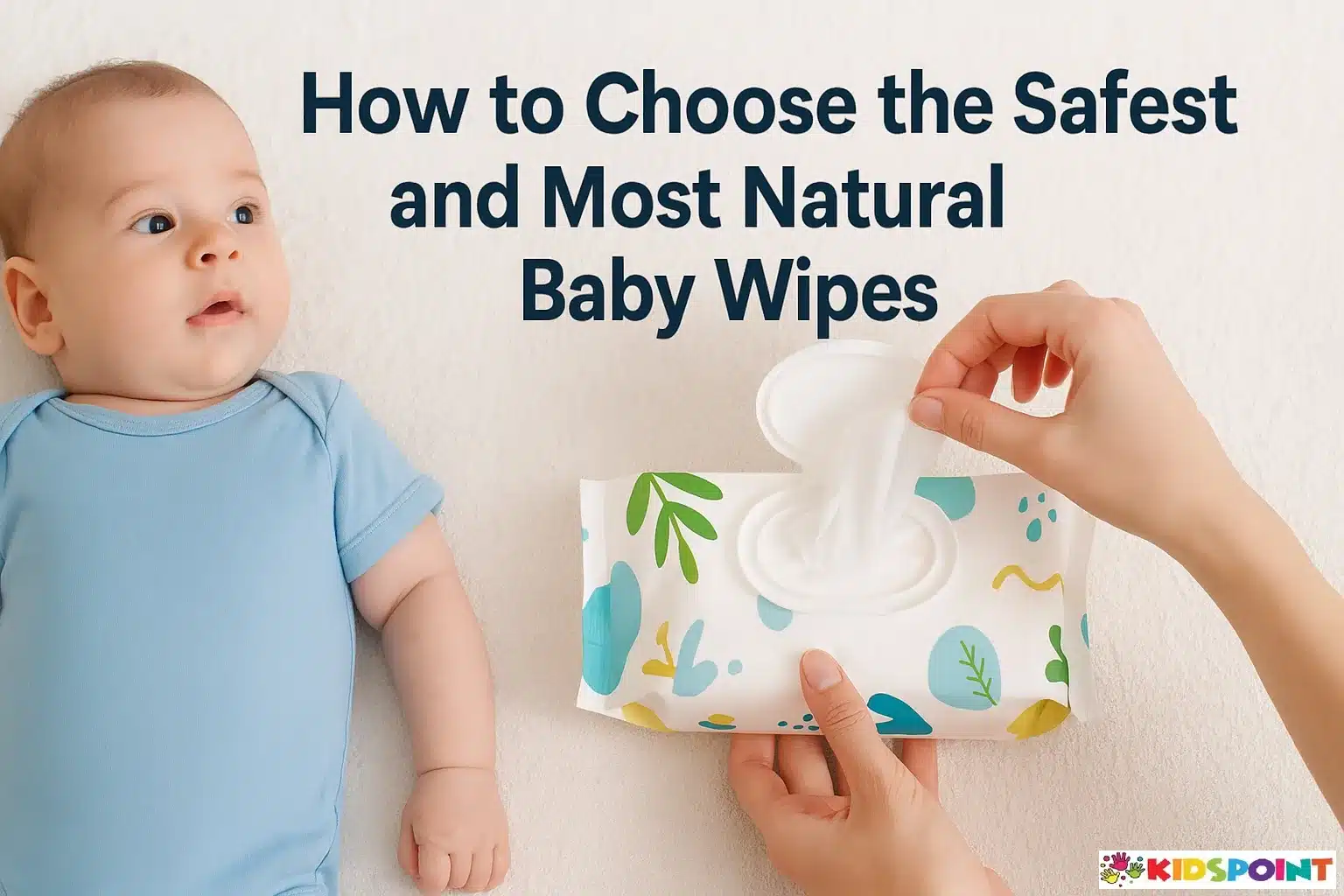
When it comes to caring for your baby, every parent wants products that are gentle, safe, and effective. One of the most used baby essentials is baby wipes — they’re handy for diaper changes, cleaning little hands and faces, and managing those everyday messes that come with parenting.
But here’s the challenge: not all baby wipes are created equal. Many wipes contain hidden chemicals, synthetic fragrances, or harsh preservatives that can irritate a baby’s sensitive skin. That’s why choosing the safest and most natural baby wipes is so important for your child’s health and comfort.
At The Kids Point, we care deeply about helping parents make informed choices. In this detailed guide, we’ll walk you through everything you need to know about selecting baby wipes — from understanding ingredients and safety certifications to learning what makes a product truly “natural.”
Why Choosing the Right Baby Wipes Matters
Your baby’s skin is much thinner and more sensitive than an adult’s. It absorbs substances more easily, making it vulnerable to irritation and allergic reactions. Here’s why the right wipes are crucial:
- Skin Sensitivity: Babies are prone to rashes, eczema, and dryness, especially around the diaper area.
- Daily Use: Wipes are used multiple times a day — so any harsh ingredient is repeatedly applied.
- Absorption: Harmful chemicals in wipes can be absorbed through the skin.
- Comfort: Softer, moisture-balanced wipes help keep your baby’s skin smooth and clean.
- Health and Safety: Natural wipes reduce the risk of exposure to toxins, ensuring long-term well-being.
By selecting gentle, plant-based wipes, you protect your baby’s delicate skin while also supporting a cleaner, more sustainable planet.
Understanding Baby Wipe Ingredients
Before grabbing a pack of wipes off the shelf, take a moment to read the ingredient list. Here’s what you need to know:
Base Material (The Fabric of the Wipe)
The fabric used for wipes is just as important as the formula they’re soaked in.
- Natural fibers: Cotton, bamboo, or plant-based viscose are soft, biodegradable, and eco-friendly.
- Synthetic fibers: Polyester or polypropylene may feel smooth but are not biodegradable and can be irritating.
Look for “100% plant-based” or “biodegradable wipes” on the packaging for an eco-conscious choice.
Cleansing Agents
These are the ingredients that clean your baby’s skin. Opt for wipes with gentle, plant-derived cleansers instead of synthetic detergents.
- Safe options: Coco-glucoside, decyl glucoside (natural surfactants from coconut oil).
- Avoid: Sodium lauryl sulfate (SLS), alcohol, and harsh soaps — they strip natural oils from the skin.
Moisturizing Ingredients
Moisture helps prevent dryness and soothes irritation. Choose wipes containing natural moisturizers such as:
- Aloe vera – calms redness and inflammation.
- Glycerin (vegetable-derived) – locks in moisture.
- Coconut oil or shea butter – nourishes and softens skin.
Avoid mineral oil or synthetic silicones, which can clog pores.
Preservatives
Preservatives prevent mold and bacterial growth — essential for hygiene — but not all are safe.
- Safer choices: Potassium sorbate, sodium benzoate, citric acid (used in food).
- Avoid: Parabens, methylisothiazolinone (MIT), phenoxyethanol — these are linked to allergies and sensitivities.
Fragrances and Additives
Fragrance-free is the golden rule when it comes to baby wipes. Even “natural” scents can cause irritation.
- Avoid: Artificial perfumes, phthalates, or “unscented” products that still contain masking chemicals.
- Better choice: Fragrance-free, hypoallergenic, and dermatologist-tested wipes.
Top Ingredients to Avoid in Baby Wipes
To make your choice easier, here’s a quick list of common harmful ingredients you should stay away from:
- Alcohol (Ethanol or Isopropyl Alcohol): Dries and irritates delicate skin.
- Parabens: Preservatives linked to hormone disruption.
- Phthalates: Often used in fragrances; can affect hormonal balance.
- Phenoxyethanol: Causes skin irritation and can be toxic in large amounts.
- Propylene Glycol: Can cause allergic reactions or rashes.
- Methylisothiazolinone (MIT): Known to trigger contact dermatitis.
- Sodium Lauryl Sulfate (SLS): Harsh surfactant that strips natural oils.
When in doubt, remember this: if you can’t pronounce it, it might not belong on your baby’s skin.
What Makes Baby Wipes “Natural”?
The term “natural” can be misleading in marketing. True natural wipes should meet specific criteria:
- Made from plant-based fibers like bamboo or cotton.
- Contain naturally derived ingredients such as aloe vera, chamomile, or coconut oil.
- Free from synthetic preservatives, dyes, or fragrances.
- Dermatologist-tested and hypoallergenic.
- Biodegradable and eco-friendly packaging.
Tip: Check for certifications such as USDA Organic, Ecocert, or EWG Verified to ensure authenticity.
Different Types of Baby Wipes: Which Is Best?
Here’s a quick breakdown of the common types of wipes you’ll find on the market — and what makes each unique:
| Type of Baby Wipe | Features | Best For |
| Water-based wipes | 99%+ pure water with mild preservatives | Everyday diaper changes |
| Bamboo wipes | Soft, biodegradable, and naturally antibacterial | Eco-conscious families |
| Cotton wipes | Gentle, absorbent, and reusable (if washable) | Sensitive skin |
| Organic wipes | Certified organic ingredients and no harsh chemicals | Babies prone to allergies |
| Reusable cloth wipes | Can be washed and reused with natural cleansers | Sustainable parenting |
For the safest option, water-based or organic bamboo wipes are highly recommended.
How to Test Baby Wipes for Sensitivity
Even natural wipes can cause mild irritation for some babies. Here’s how to test before regular use:
- Patch Test:
- Rub a small area (like the inside of your baby’s arm or thigh).
- Wait 24 hours to check for redness, rash, or dryness.
- Rub a small area (like the inside of your baby’s arm or thigh).
- Check the Scent:
- Even “lightly scented” wipes can trigger reactions. Stick with fragrance-free.
- Even “lightly scented” wipes can trigger reactions. Stick with fragrance-free.
- Monitor During Use:
- If your baby develops redness around the diaper area, switch brands immediately.
- If your baby develops redness around the diaper area, switch brands immediately.
Reminder: Always consult your pediatrician if irritation persists.
Eco-Friendly and Sustainable Baby Wipes
Caring for your baby shouldn’t harm the planet. Here’s how to choose wipes that are gentle on both skin and the environment:
- Biodegradable wipes: Break down naturally without polluting landfills.
- Compostable materials: Bamboo and organic cotton are great examples.
- Plastic-free packaging: Look for recyclable or refillable options.
- Cruelty-free certification: Ensures no animal testing.
By selecting sustainable wipes, you’re contributing to a cleaner future for your child.
How to Store and Use Baby Wipes Safely
To maintain hygiene and extend the shelf life of your wipes:
- Seal Properly After Each Use: Prevents drying and contamination.
- Avoid Extreme Temperatures: Store in a cool, dry place.
- Use Within the Expiry Date: Expired wipes may lose effectiveness or grow bacteria.
- Don’t Flush Them: Even “flushable” wipes can clog pipes — always dispose in the trash.
- Use Wipes Gently: No harsh rubbing; pat or dab to clean.
DIY Natural Baby Wipes (Homemade Option)
If you love a hands-on, eco-friendly approach, making your own baby wipes is easier than you think!
You’ll need:
- 1 roll of strong paper towels (or soft cloth squares)
- 2 cups of warm distilled water
- 1 tbsp coconut oil
- 1 tbsp baby-safe shampoo (fragrance-free)
- 1 tsp aloe vera gel
- A few drops of chamomile or lavender hydrosol (optional)
Instructions:
- Cut the paper towel roll in half and place it in a container.
- Mix the ingredients and pour the liquid evenly over the roll.
- Pull wipes from the center and seal the container tightly.
This DIY version gives you full control over ingredients — safe, natural, and gentle for your baby.
Top Tips for Choosing the Best Natural Baby Wipes
- Read the Label Carefully: Look for short, simple ingredient lists.
- Prioritize “Fragrance-Free”: Even natural scents can be irritating.
- Check for Hypoallergenic and Dermatologist-Approved: Ensures skin safety.
- Look for Organic and Eco Certifications: Adds credibility to “natural” claims.
- Choose Biodegradable Materials: Safer for your baby and the planet.
- Do a Patch Test First: Every baby’s skin is different — test before daily use.
- Avoid Marketing Gimmicks: “Gentle” or “pure” doesn’t always mean safe — check the ingredients.
Frequently Asked Questions (FAQs)
What makes baby wipes “natural”?
Natural baby wipes are made with plant-based fibers and contain ingredients derived from nature — free from synthetic chemicals and fragrances.
Are water-based wipes better for sensitive skin?
Yes! Water-based wipes with minimal ingredients are perfect for sensitive or allergy-prone skin.
Can I use baby wipes on my baby’s face and hands?
Yes, but make sure they’re labeled safe for all-over use and contain no alcohol or synthetic fragrances.
How long can baby wipes be stored?
Sealed wipes last up to two years, but always check the expiry date and store in a cool, dry place.
Are biodegradable wipes really eco-friendly?
Yes, biodegradable wipes made from bamboo or cotton decompose faster and are much better for the environment.
Final Thoughts
Choosing the safest and most natural baby wipes is one of the simplest yet most important steps in baby care. With so many products on the market, it can feel overwhelming — but understanding ingredients, materials, and certifications helps you make confident choices.
At The Kids Point, we believe in gentle, eco-friendly care that nurtures both your baby and the planet. Whether you opt for organic, bamboo-based, or water wipes, the key is transparency and simplicity.
Your baby deserves softness, safety, and love in every touch — and that starts with the right baby wipe.
So, read labels carefully, trust your instincts, and choose wisely. Because when it comes to your baby’s skin, natural is always best.