

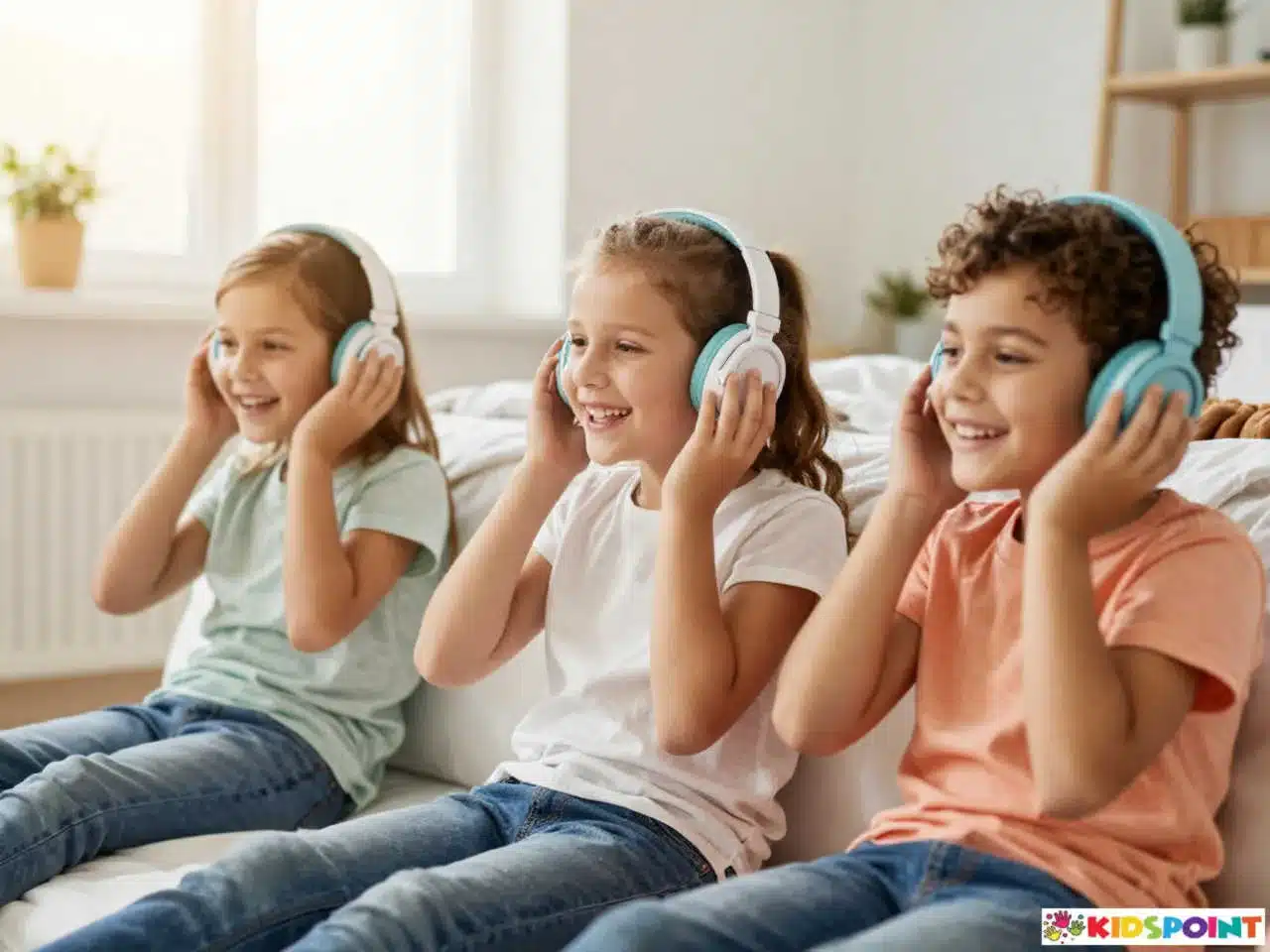
Music is one of the most powerful tools for shaping a child’s mood, behavior, and learning experience. From energizing mornings to calming nights, the right playlists can transform daily routines into meaningful activities for kids that support emotional balance, focus, and creativity.
In this guide, we explore how kids music playlists can be used throughout the day, from breakfast through bedtime. Parents in the USA can use these ideas to create structured routines filled with fun, learning, movement, and relaxation. These musical activities for kids are perfect for preschoolers and school-age children who benefit from rhythm, repetition, and engaging sound environments.
Why Music-Based Activities for Kids Matter in Daily Routines
Music plays a major role in early childhood development. Research shows that children who are regularly exposed to music demonstrate improved language skills, better memory retention, and stronger emotional regulation.
When music is incorporated into daily activities for kids, it helps structure the day in a predictable and enjoyable way. This reduces stress and improves cooperation during transitions such as waking up, getting ready for school, or winding down for sleep.
Key benefits of music-based routines include:
- Improved emotional regulation and mood stability
- Better focus during learning and homework
- Enhanced memory and language development
- Increased physical coordination through movement songs
- Smoother transitions between daily activities
Music turns everyday moments into engaging experiences that children look forward to.
Morning Music Playlists for Energy and Positive Start
Mornings set the tone for the entire day. Using upbeat and cheerful music helps children wake up with energy and positivity. These morning activities for kids encourage movement, alertness, and readiness for school or play.
Morning playlist ideas include:
- Upbeat kids pop songs
- Action songs with movement instructions
- Instrumental happy tunes
- Rhythm-based clapping songs
- Educational songs about numbers and letters
Parents can combine music with simple morning routines such as stretching, brushing teeth, or getting dressed. For example, a “wake-up dance” song can encourage children to move their bodies while preparing for the day.
This approach reduces morning resistance and makes daily routines smoother and more enjoyable.
Midday Music Activities for Kids During Learning and Play
Midday is often a mix of learning, playtime, and structured activities. Music can help children stay focused while also allowing creative expression. These activities for kids are perfect for preschool learning environments and home study sessions.
Midday playlist ideas include:
- Soft background instrumental music for reading time
- Educational songs for math and spelling
- Interactive sing-along songs
- Cultural music exploration playlists
- Rhythm games with clapping or instruments
For example, teachers and parents can use counting songs to help children learn numbers more effectively. Music improves repetition and makes learning feel like play rather than instruction.
During playtime, rhythmic songs can also encourage movement-based games such as dancing or musical freeze activities.
Afternoon Music Playlists for Movement and Outdoor Energy
Afternoons are ideal for high-energy play and physical activity. Music can make movement-based activities for kids more exciting and engaging.
Afternoon playlist ideas include:
- Dance party playlists for kids
- Sports-themed motivational music
- Action songs with jumping or running instructions
- Rhythm-based exercise songs
- Group sing-and-move songs
For example, a dance playlist can turn a living room or playground into a fun fitness zone. Children naturally move, jump, and express themselves when music is playing.
Parents can also create themed activity sessions such as “dance break time” or “movement music hour” to keep children active and entertained.
Evening Music Activities for Kids to Calm Down and Relax
Evening time is important for helping children transition from active play to a calm state. Soft music can guide emotional relaxation and prepare children for bedtime routines.
These calming activities for kids include:
- Soft instrumental lullabies
- Nature sound playlists
- Slow acoustic kids songs
- Story-based music sessions
- Guided relaxation music for children
For example, playing soft lullabies during dinner or after bath time helps children unwind and feel secure. Music with slow rhythms naturally reduces energy levels and prepares the body for rest.
Evening routines supported by music also reduce bedtime resistance and emotional outbursts.
Bedtime Music Playlists for Better Sleep
Sleep is essential for a child’s development, and music can significantly improve sleep quality. Bedtime playlists are one of the most effective activities for kids for establishing a peaceful nighttime routine.
Bedtime playlist ideas include:
- Gentle lullabies
- Soft piano melodies
- White noise or nature sounds
- Slow storytelling audio music
- Relaxation breathing songs for kids
Research shows that calming music can help reduce anxiety and improve sleep onset in children. A consistent bedtime music routine signals the brain that it is time to rest.
Parents can combine music with bedtime reading or quiet cuddling for even stronger calming effects.
Educational Benefits of Music Activities for Kids
Music is not just entertainment. It is a powerful educational tool that supports cognitive and emotional growth. When integrated into daily activities for kids, music enhances learning outcomes across multiple areas.
Key educational benefits include:
- Improved vocabulary and language development
- Stronger memory and attention span
- Better rhythm and coordination skills
- Increased creativity and imagination
- Enhanced emotional expression
For example, children who learn songs with rhymes often develop stronger reading skills later in school. Music helps reinforce patterns, which supports early literacy development.
How Parents Can Build a Daily Music Routine for Kids
Creating a structured music routine helps children feel secure and organized. Parents can easily integrate music into daily activities for kids without needing special tools or training.
Simple steps include:
- Choose different playlists for morning, afternoon, and night
- Keep music consistent during daily routines
- Use songs as signals for transitions (wake up, clean up, bedtime)
- Encourage children to sing and participate
- Adjust playlists based on mood and energy levels
For example, a “clean-up song” can signal that it is time to organize toys, making chores feel like a game instead of a task.
Consistency is key in building effective music-based routines.
Fun Music Activities for Kids at Home
Music can be combined with movement and creativity to create engaging at-home experiences. These interactive activities for kids help children stay active and entertained indoors.
Fun ideas include:
- Musical freeze dance games
- Instrument-making crafts using household items
- Sing-along karaoke sessions
- Rhythm clapping games
- Storytelling with background music
For example, children can create simple instruments using bottles or containers and play along with their favorite songs. This builds creativity and coordination.
These activities also encourage family bonding and shared experiences.
Tips for Choosing the Right Kids Music Playlists
Not all music is suitable for children’s routines. Parents should choose playlists that match the purpose of each part of the day.
Helpful tips include:
- Use upbeat music for morning energy
- Choose educational songs for learning time
- Select instrumental tracks for focus
- Pick calm lullabies for bedtime
- Avoid overly loud or fast-paced music at night
Balancing music types ensures that activities for kids remain effective and supportive of healthy development.
Frequently Asked Questions (FAQs)
How does music help children during daily routines?
Music helps children manage emotions, improve focus, and transition smoothly between daily activities.
What are the best morning music playlists for kids?
Upbeat songs, action tracks, and cheerful rhythms work best for morning energy.
Can music improve bedtime routines for kids?
Yes, calming lullabies and soft music help children relax and fall asleep faster.
Are music-based activities for kids educational?
Yes, music improves language skills, memory, coordination, and creativity.
How long should kids listen to music daily?
Children can enjoy music throughout the day in short, balanced sessions based on routine needs.
Kids music playlists are a powerful way to transform daily routines into meaningful, joyful, and structured activities for kids. From energetic mornings to peaceful bedtimes, music supports emotional balance, learning, and creativity at every stage of the day.
By using thoughtful playlists, parents can create smoother transitions, better behavior, and more engaging experiences for children.
At The Kids Point, we believe that simple tools like music can make a big difference in a child’s development. Explore more creative learning ideas at The Kids Point and turn every day into a fun and enriching experience.