

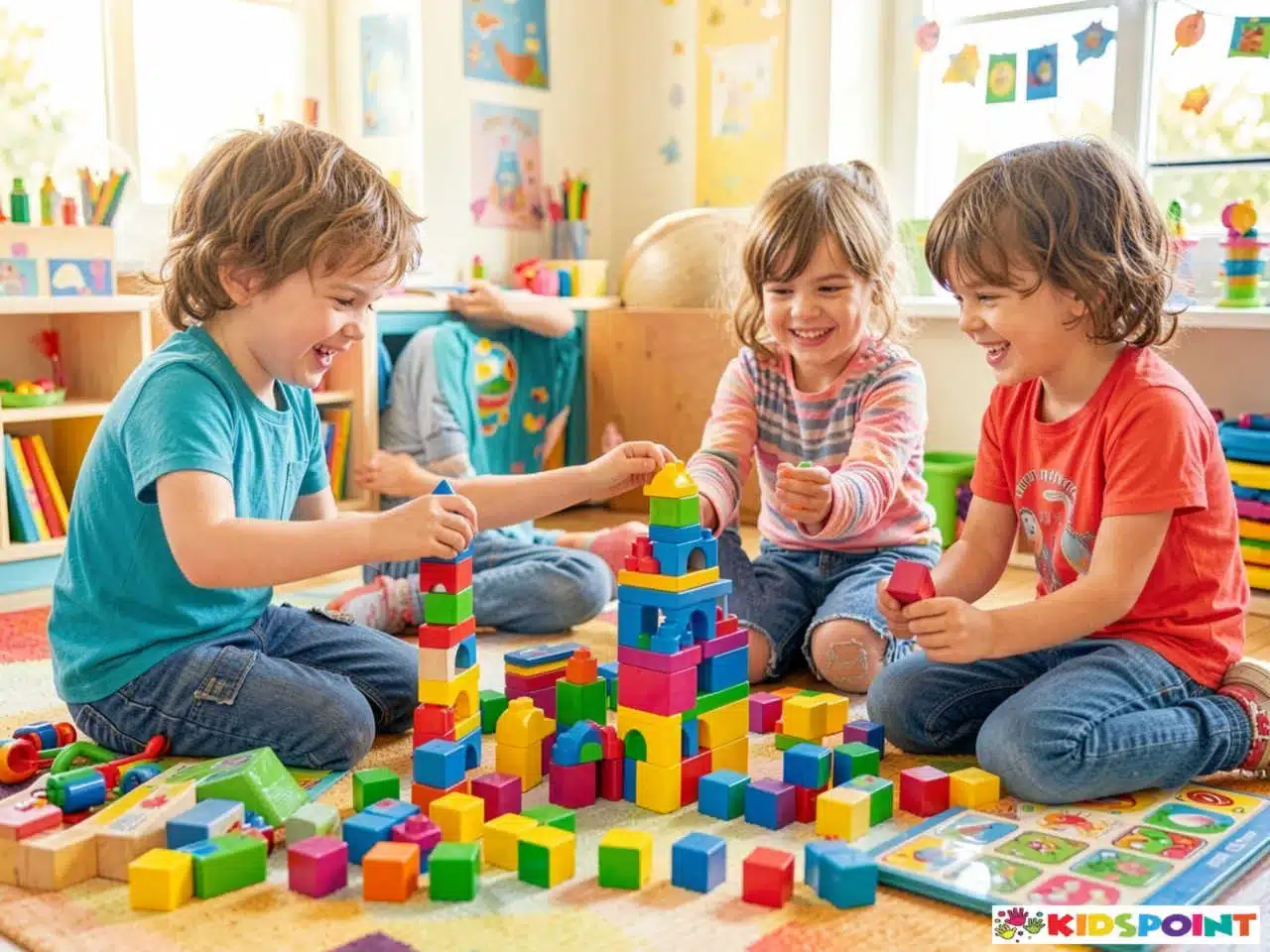
Children learn best when they are having fun. Play is more than entertainment—it is a powerful tool that shapes how children think, imagine, communicate, and solve problems. Discovery-based games are especially valuable because they encourage kids to explore, experiment, and learn through curiosity. These games create opportunities for children to ask questions, make decisions, and develop creative thinking skills that support lifelong learning.
In today’s digital world, parents and educators are looking for activities that go beyond simple screen time and help children build meaningful skills. Discovery games can inspire innovation, improve problem-solving abilities, and help kids express themselves in unique ways. Whether children are building imaginary worlds, conducting science experiments, creating art, or solving puzzles, these activities stimulate their imagination and strengthen their cognitive development.
At The Kids Point, we understand the importance of combining learning with fun. That is why encouraging creative play through discovery games remains one of the best ways to support children’s growth and development. In this article, we will explore some of the top discovery kids games that can significantly boost creativity skills.
Why Creativity Matters for Children
Creativity is not limited to painting pictures or making crafts. It is the ability to think differently, generate ideas, solve problems, and express thoughts in original ways. Creative skills influence nearly every aspect of life, including education, relationships, and future careers.
Benefits of developing creativity in children include:
- Improved problem-solving abilities
- Better communication skills
- Increased confidence and self-expression
- Enhanced emotional intelligence
- Stronger critical thinking skills
- Greater adaptability and innovation
Discovery games naturally encourage these abilities because they allow children to experiment and learn independently.
Building Block Challenges
Building blocks have remained a favorite educational activity for generations, and for good reason. Whether using wooden blocks, magnetic tiles, or construction sets, building challenges encourage children to design, create, and think critically.
How it boosts creativity:
Children imagine structures before bringing them to life. They learn to balance shapes, create designs, and solve structural problems during the process.
Activities to try:
- Build a dream house
- Create a bridge using limited pieces
- Design an imaginary city
- Construct animals or vehicles
Building activities also encourage storytelling because children often create narratives around their creations.
Treasure Hunt Discovery Games
Treasure hunts transform ordinary environments into exciting adventures. Children follow clues, solve puzzles, and explore spaces while engaging their imagination.
How it boosts creativity:
Treasure hunts encourage children to think beyond obvious answers and connect different ideas together. They also inspire imaginative thinking as kids pretend to be explorers, detectives, or adventurers.
Ideas for treasure hunts:
- Nature scavenger hunt
- Indoor mystery challenge
- Pirate treasure search
- Educational clue-based hunt
Parents can customize clues according to a child’s age and interests.
Science Experiment Discovery Games
Hands-on science activities introduce children to the joy of experimentation and discovery. Kids become little scientists who observe results and learn through trial and error.
How it boosts creativity:
Science experiments teach children to ask questions and explore multiple possibilities. They begin thinking creatively about causes, effects, and solutions.
Popular activities:
- Volcano eruptions
- Homemade slime
- Rainbow water experiments
- Growing crystals
- Floating and sinking challenges
Science activities combine creativity with logical thinking, creating a balanced learning experience.
Role-Playing and Pretend Play Games
Pretend play is one of the most powerful creativity-building activities for children. Whether pretending to be doctors, chefs, astronauts, teachers, or superheroes, role-playing allows kids to create entire worlds from their imagination.
How it boosts creativity:
Children develop original ideas, practice communication, and explore different perspectives.
Role-play ideas:
- Running a pretend restaurant
- Playing school
- Space exploration missions
- Grocery shopping adventures
- Superhero rescue scenarios
Pretend play also improves social and emotional development.
Story Creation Games
Storytelling games encourage children to create characters, settings, and adventures using their imagination.
How it boosts creativity:
Children learn to think creatively while organizing ideas into meaningful narratives.
Fun storytelling activities:
- Finish the story
- Story cube games
- Create-your-own endings
- Group storytelling circles
For example, one child starts with:
“Once upon a time, a tiny dragon found a mysterious key…”
The next child continues the story.
The endless possibilities make storytelling games exciting and educational.
Nature Exploration Games
Nature provides an incredible learning environment filled with opportunities for discovery. Exploring parks, gardens, forests, or backyards introduces children to fascinating elements of the natural world.
How it boosts creativity:
Nature stimulates curiosity and inspires imagination. Children begin asking questions and inventing stories about what they discover.
Activities include:
- Leaf collecting
- Bug observation
- Rock identification
- Nature journals
- Cloud shape guessing
Children may turn leaves into art projects or imagine adventures based on interesting discoveries.
Puzzle and Mystery Games
Puzzles challenge children to think critically while improving concentration and problem-solving skills.
How it boosts creativity:
While solving puzzles, children explore different approaches and learn persistence. Mystery-based games add imagination and excitement.
Examples include:
- Jigsaw puzzles
- Escape room games
- Hidden object challenges
- Logic puzzles
- Detective mystery games
These games encourage flexible thinking and help children understand that multiple solutions can exist.
Art Discovery Activities
Art remains one of the most effective ways to nurture creativity because it allows children to express thoughts and emotions freely.
How it boosts creativity:
Children experiment with colors, textures, shapes, and materials without worrying about right or wrong answers.
Creative activities include:
- Finger painting
- Collage making
- Recycled art projects
- Clay sculpting
- Watercolor exploration
Allowing children to make independent artistic choices helps strengthen confidence and originality.
Music and Sound Exploration Games
Music-based activities engage multiple parts of a child’s brain while encouraging self-expression and imagination.
How it boosts creativity:
Children experiment with rhythm, sounds, and movement while creating unique patterns.
Fun activities:
- Homemade instruments
- Musical storytelling
- Rhythm copying games
- Dance challenges
- Sound identification games
Children enjoy discovering how different sounds can create emotions and tell stories.
Coding and Creative Technology Games
Technology can become a valuable creativity tool when used appropriately. Beginner coding games designed for children teach problem-solving and innovation in engaging ways.
How it boosts creativity:
Coding encourages children to create solutions and design original ideas rather than simply consume content.
Activities include:
- Designing characters
- Creating animations
- Building simple games
- Programming stories
Coding combines logic with imagination, making it highly effective for creativity development.
DIY Craft and Maker Games
Maker activities encourage children to invent, build, and create using everyday materials.
How it boosts creativity:
Children learn to transform ordinary objects into something meaningful and useful.
Ideas include:
- Building cardboard cities
- Making paper airplanes
- Creating puppet theaters
- Designing handmade toys
- Constructing simple machines
The process of making things teaches experimentation and innovation.
Sensory Discovery Games
Sensory play involves activities that stimulate touch, sight, smell, sound, and movement.
How it boosts creativity:
Children use their senses to explore new textures and experiences while engaging their imagination.
Sensory game ideas:
- Sand play
- Water exploration
- Sensory bins
- Texture matching
- Ice excavation activities
Sensory experiences can inspire storytelling and creative thinking while supporting developmental growth.
Tips for Parents to Encourage Creative Discovery
While choosing the right games is important, creating an environment that supports creativity matters just as much.
Give children freedom to explore
Avoid directing every activity. Let children experiment and make decisions independently.
Ask open-ended questions
Instead of asking:
“Is that a tree?”
Try asking:
“What do you think this could become?”
Open-ended questions encourage deeper thinking.
Focus on the process
Celebrate effort and imagination rather than only the final result.
Provide diverse materials
Simple materials such as paper, boxes, fabric scraps, markers, and recycled objects can inspire endless ideas.
Allow mistakes
Mistakes are part of discovery. Children often learn their most valuable lessons through trial and error.
Limit passive screen time
Interactive experiences tend to stimulate creativity more effectively than passive entertainment.
How Discovery Games Support Long-Term Development
Discovery-based activities offer benefits that extend beyond childhood. The skills children develop through creative games often become essential abilities later in life.
Children who regularly engage in discovery activities may become:
- Strong problem solvers
- Independent thinkers
- Better communicators
- More confident learners
- Innovative creators
- Adaptable individuals
Modern workplaces increasingly value creativity and flexibility. Developing these skills early helps prepare children for future challenges and opportunities.
Choosing the Right Discovery Games for Different Ages
Not every game works equally well for every child. Age-appropriate activities ensure children remain challenged without becoming frustrated.
Ages 3–5
Younger children often enjoy:
- Sensory play
- Building blocks
- Simple role-playing
- Basic art activities
- Easy treasure hunts
Ages 6–8
Children in this age group may prefer:
- Science experiments
- Storytelling games
- Puzzles
- Craft projects
- Nature discovery activities
Ages 9–12
Older children usually enjoy:
- Advanced building challenges
- Coding activities
- Complex mysteries
- Creative technology projects
- DIY maker experiences
Matching games to developmental stages creates a more enjoyable and effective learning experience.
FAQs
What are discovery games for kids?
Discovery games are interactive activities that encourage children to explore, experiment, and learn through curiosity and hands-on experiences.
How do discovery games improve creativity?
These games help children develop imagination, problem-solving skills, independent thinking, and creative expression through active participation.
What age is suitable for discovery-based games?
Discovery games can be adapted for all age groups, from toddlers to pre-teens, depending on the activity and difficulty level.
Can discovery games support learning and education?
Yes, discovery games help improve cognitive development, critical thinking, communication, and learning abilities while making education enjoyable.
Why does The Kids Point recommend discovery games?
The Kids Point recommends discovery games because they combine fun and learning while helping children build creativity, confidence, and important life skills.
Discovery games are much more than fun activities for children. They open doors to imagination, exploration, and personal growth. Through building, storytelling, science experiments, role-playing, and hands-on learning experiences, children gain opportunities to think creatively and discover their unique abilities.
Creativity is one of the most valuable skills children can develop, and the best part is that it often grows naturally through play. By encouraging discovery-based experiences, parents and educators can help children become curious learners who approach challenges with confidence and imagination.
At The Kids Point, we believe every child deserves opportunities to explore, create, and learn in ways that inspire excitement and curiosity. By introducing engaging discovery games into daily routines, families can help children unlock their full creative potential while making learning an unforgettable adventure.